YPT Tour to Sikkim
Young Pioneer Tours are offering fully guided Sikkim tours for 2026 and 2027, offering a mix of group tours, independent and bespoke travel packages to Sikkim.
With years of experience arranging tours in the region, we’re now able to offer some of the cheapest, most diverse, and best travel packages to Sikkim available today.
Group tours to Sikkim
Currently, we’re offering the following group tour to Sikkim. We’re planning on adding more Sik,im tours – keep watching this page and our social media to get all the news.
All of our group tours are capped at 16 people. What makes our tours stand out from other travel companies is that you’ll be accompanied by an expert YPT guide and the best local guides.
Sikkim Forgotten Kingdom Tour – July 7th 2026 – July 15th 2026 / $1595
Independent Tours to Sikkim
As well as our group tours to Sikkim, YPT can offer independent and bespoke packages to the state throughout the year. These can be done to fit your exact theme and budget, as well as combined with trips to Nepal, Bhutan, Darjeeling, as well as other parts of India and beyond.
Example Sikkim Itinerary
Our standard one week Sikkim Tour itinerary has us taking in all the major sites of Sikkim, as well as taking the Toy Train and visiting Darjeeling as standard.
While this is our summer tour to Sikkim we are able to offer amended itineraries to fit all seasons within the state.
Day 1 – Kathmandu – Bagdogra – Gangtok
Morning
- Arrive at your convenience into Kathmandu, Nepal’s chaotic, spiritual, and addictive capital. Home to medieval temples, roaring motorbikes, and rooftop bars, the city is well connected to much of Asia, the Middle East, and Europe.
- Transfer to Tribhuvan International Airport and board the 10:00am flight to Bagdogra on the border of India and Sikkim.
Afternoon
- Land in Bagdogra at 4:00pm the gateway to Sikkim and the closest airport to this Himalayan state.
- Begin a scenic 4-hour drive up winding roads through tea estates, forested hills, and Sikkimese villages. Watch roadside monkeys, women drying chillies on rooftops, and prayer flags fluttering across valleys. This stunning drive is considered one of the most scenic routes in India.
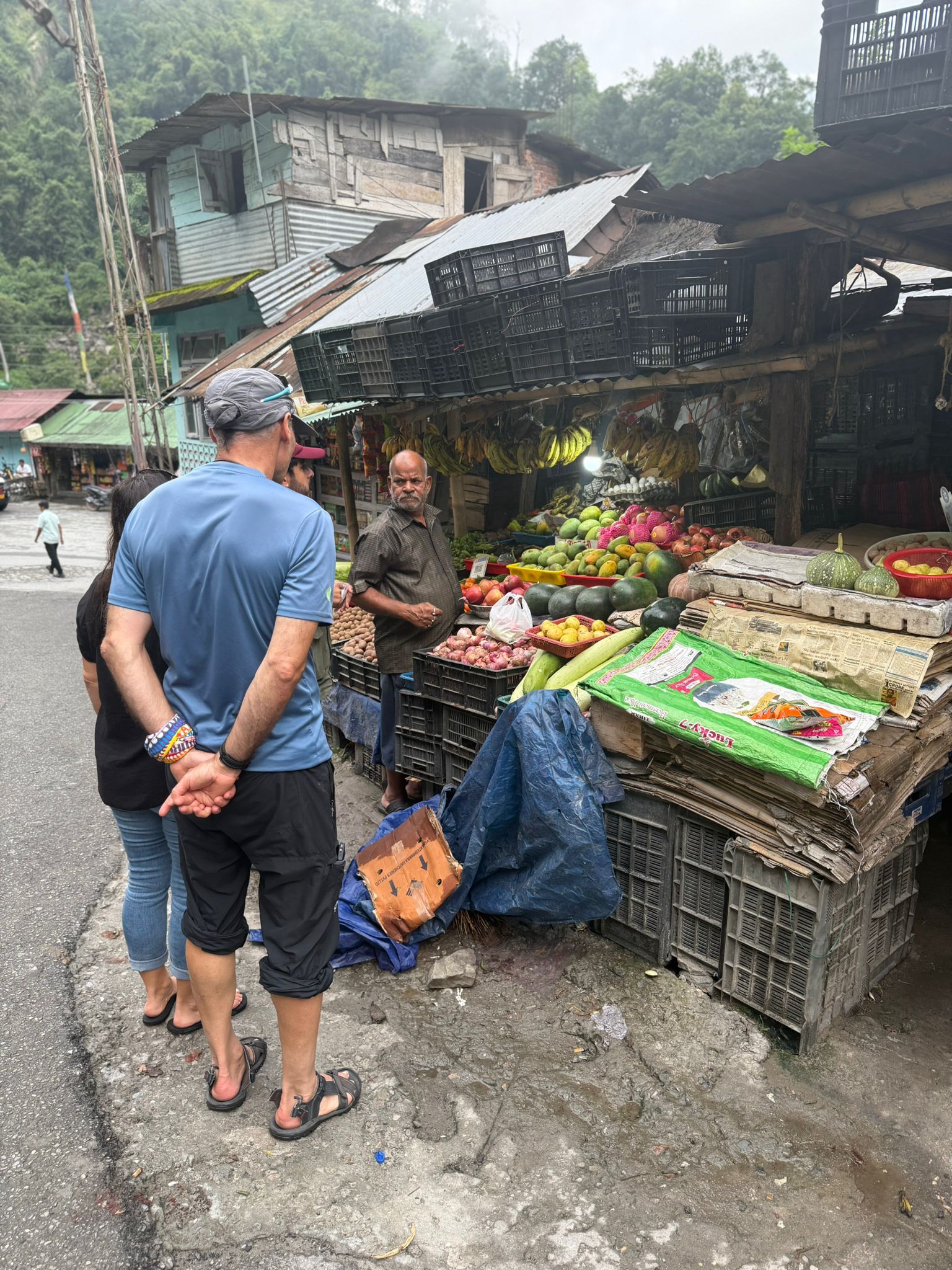
- Stop for roadside snacks like pakoras, sweet milk tea, and fruit hacked apart with machetes.
- Check into your hotel in Gangtok, capital of Sikkim, and unwind with views across the hills.
- Dinner at Valley View Café with gundruk soup, sha phaley (Tibetan meat pastries), and a jug or two of tongba, the local millet beer served warm and drunk with a bamboo straw.
- Overnight in Gangtok
Day 2 – Gangtok
Morning
- Visit the majestic Rumtek Dharma Chakra Centre, spiritual seat of the Karmapa Lama and home to some of the most vivid Buddhist murals in the region.
- Explore Lingdum Monastery, a peaceful gompa set against thickly forested hillsides and surprisingly free of tourists.
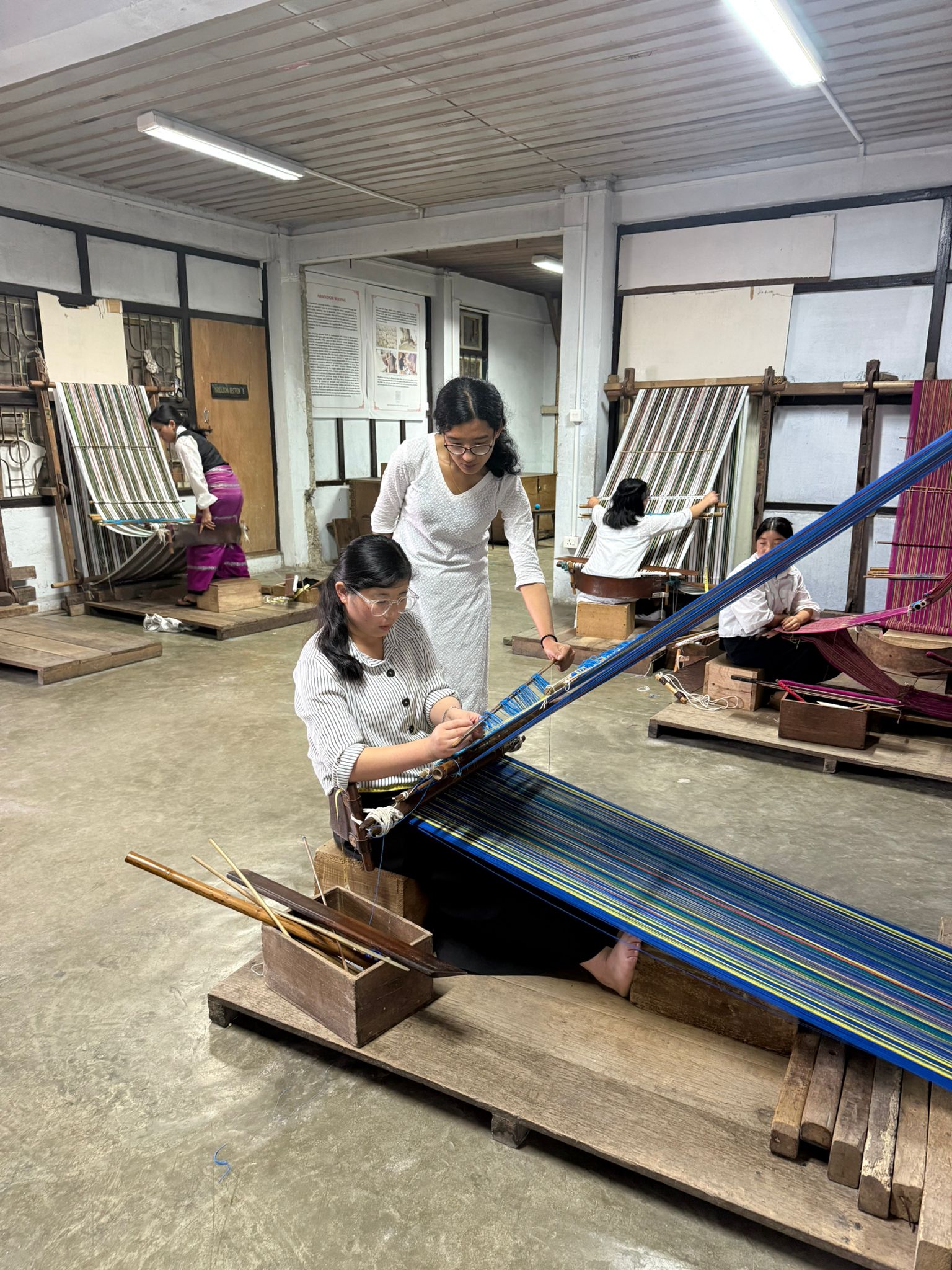
- Tour the Sikkim Handloom and Handicrafts Centre, where you can watch artisans weave traditional patterns and perhaps pick up a yak wool scarf or two.
Afternoon
- Lunch at a local eatery famous for its vegetarian momos and spicy tomato chutney. The kind of place that’s been feeding locals for decades and doesn’t need a signboard.
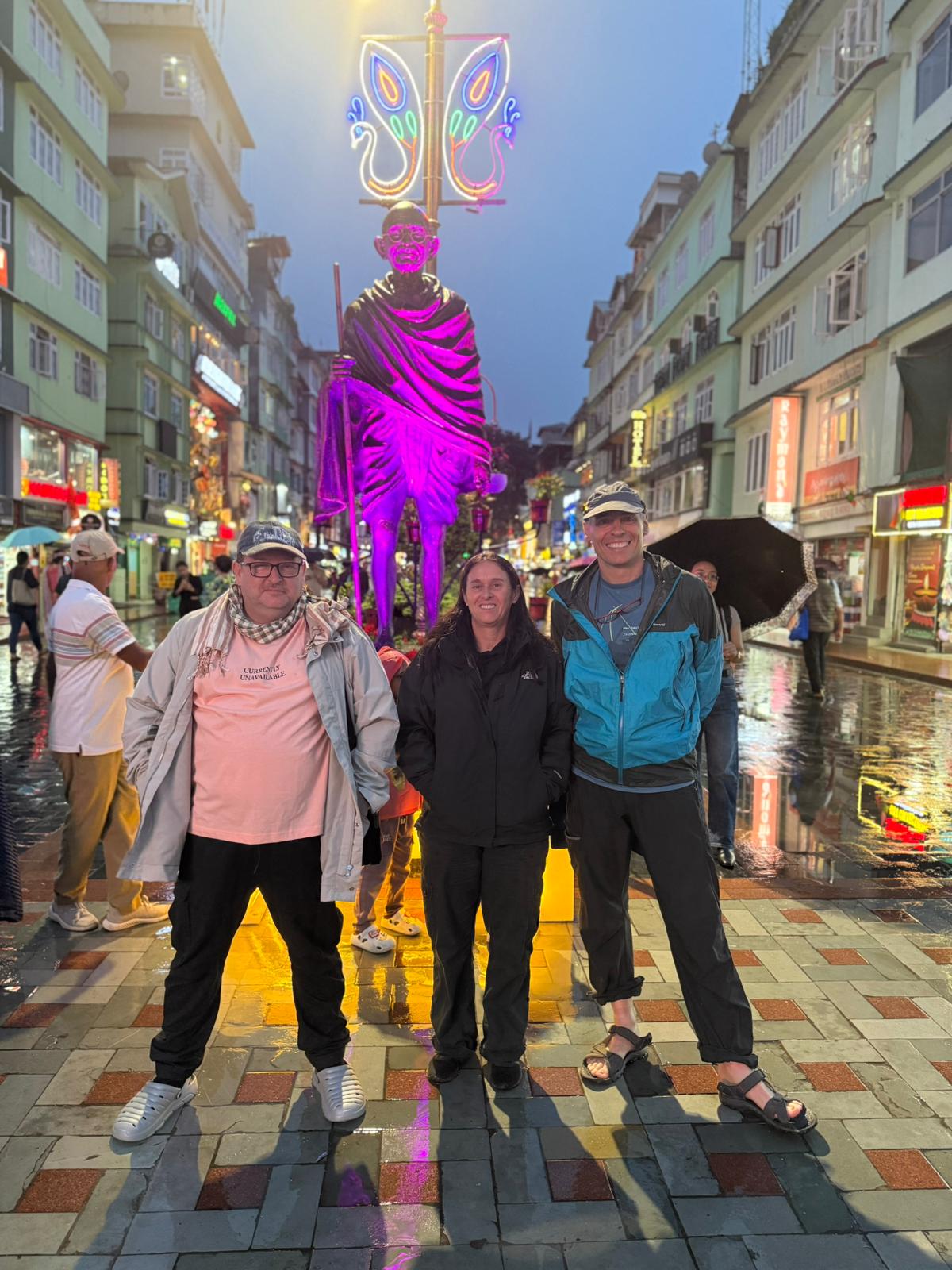
- Wander down MG Marg, Gangtok’s pedestrianised heart. Sample sel roti, chew on chhurpi (hard fermented cheese), and browse everything from Buddhist prayer wheels to knockoff watches.
- Optional rest with a cup of Chai, or a short hike up to a viewpoint overlooking the valley. Good chance to catch the golden light hitting the hills and to get that perfect photo.
- Dinner of Himalayan trout, steaming thukpa soup, and handmade yak cheese dumplings served in a cosy local restaurant.
- Overnight in Gangtok.
Day 3 – Changu Lake – Enchey Monastery
Morning
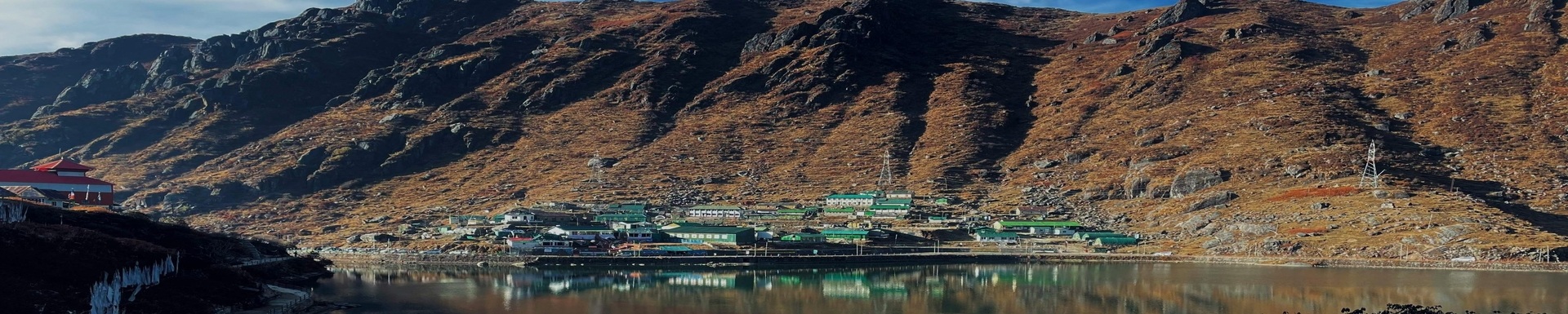
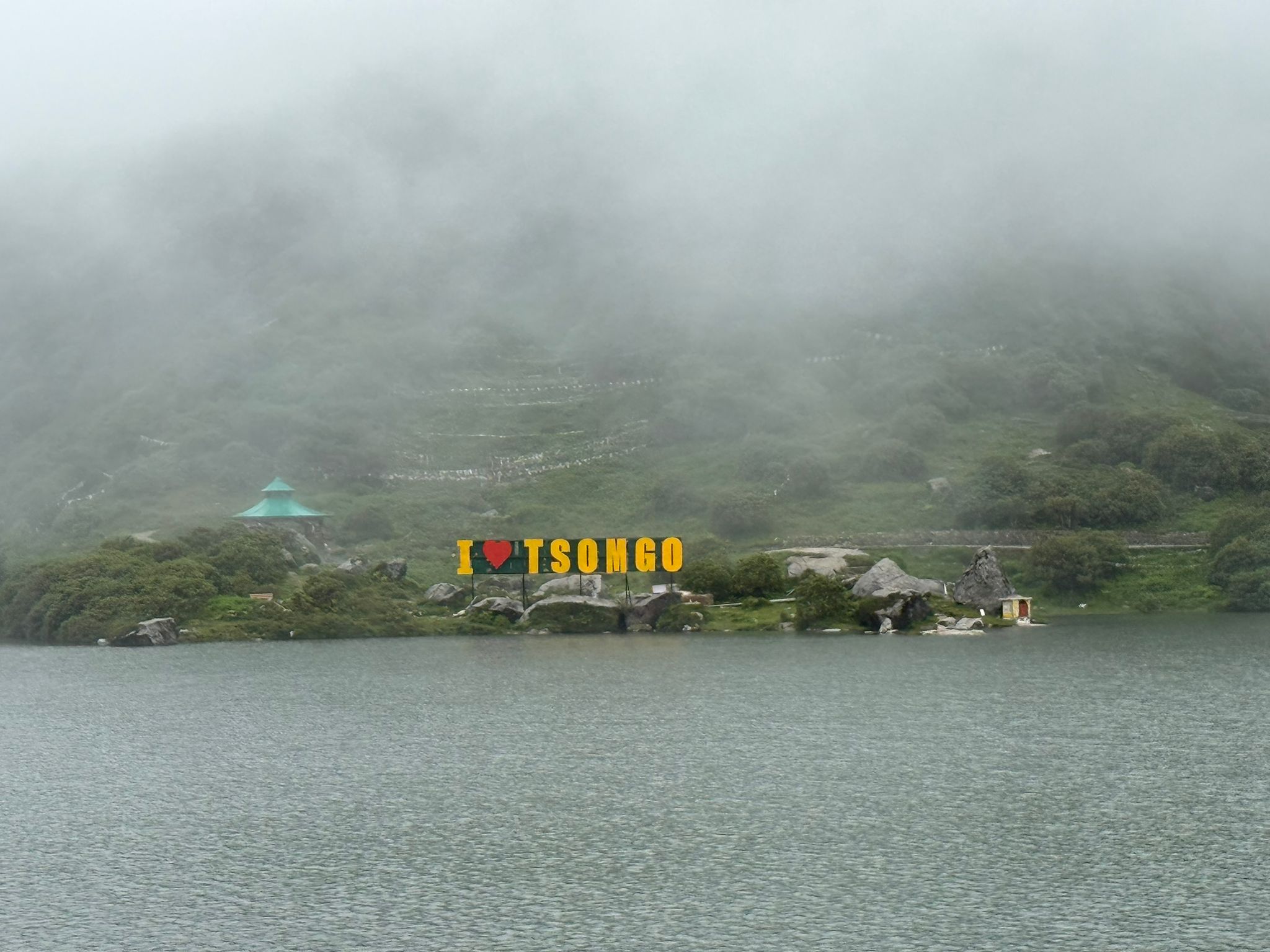
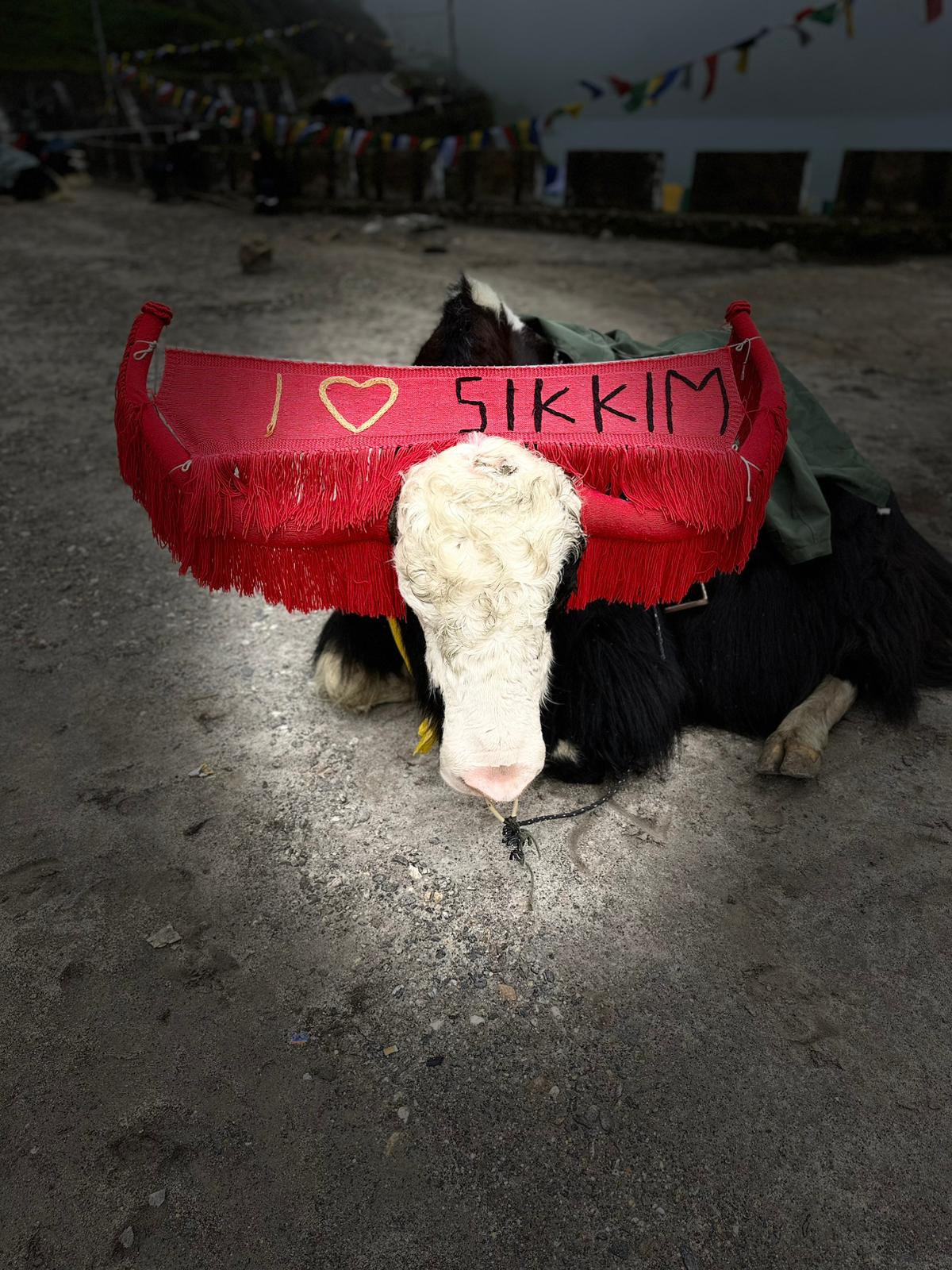
- Early morning drive up winding mountain roads to Changu (Tsomgo) Lake, a glacial lake at 3750 metres. The air is thin, the views are vast, and the yaks wear bells and colourful woollen tassels.
- Walk along lakeside trails, greet the local yak herders, and sip on salty butter tea to warm your hands.
- Entry is arranged via special permits, which your YPT guide will handle behind the scenes.
Afternoon
- Return to Gangtok for a hearty lunch of buckwheat pancakes and spiced vegetable stew, a local staple perfect after high-altitude wandering.
- Visit Enchey Monastery, a 200-year-old site perched on a ridge, known for its tantric rituals and brilliant murals.
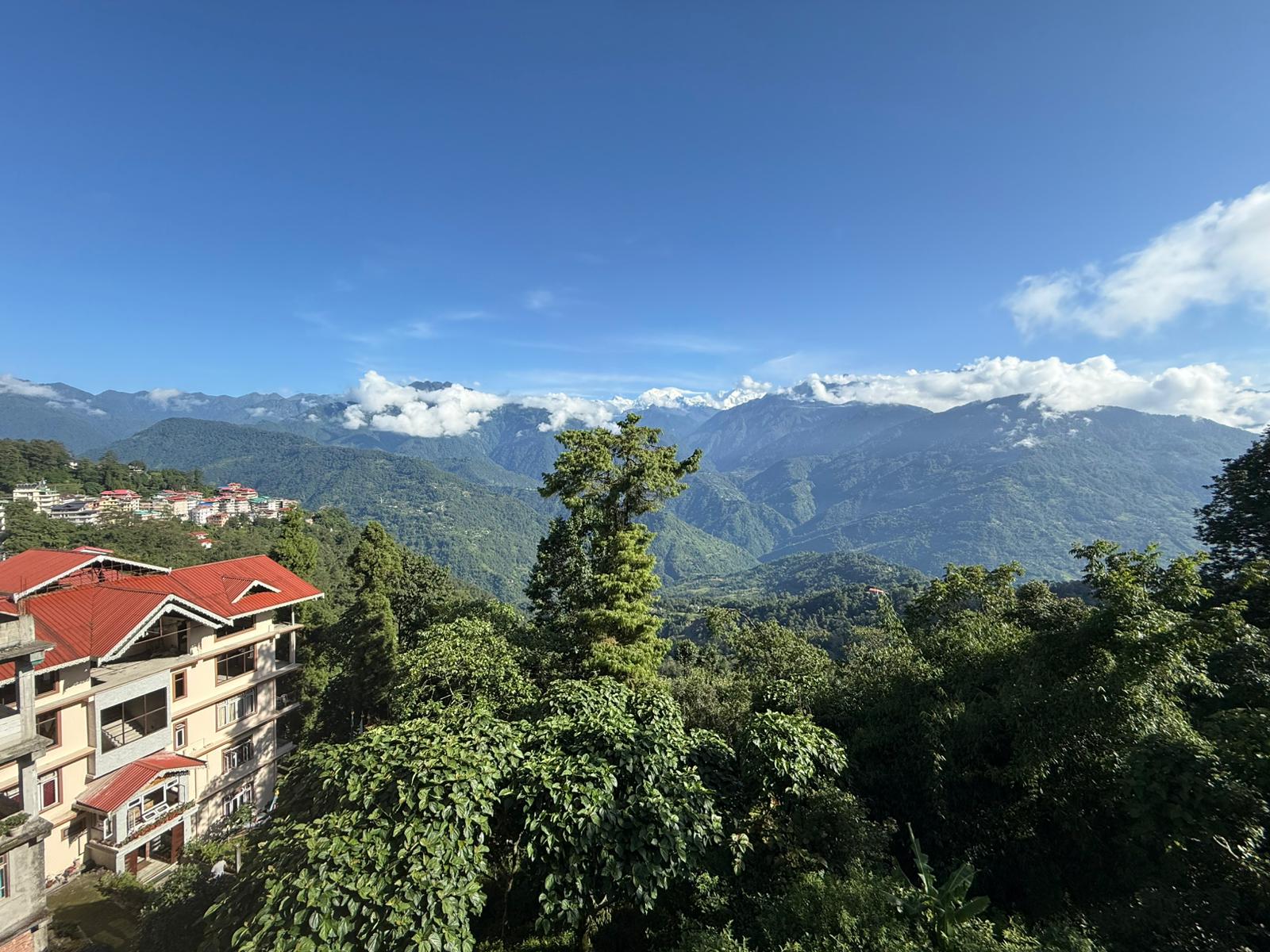
- Take in panoramic views over Gangtok and the distant Kanchenjunga range, weather permitting.
- Dinner featuring gyurma (blood sausage), seasonal vegetables, and a local brew or two.
- Overnight in Gangtok.
Day 4 – Gangtok – Pelling via Buddha Park – Legship Hot Springs
Morning
- Breakfast of fresh bread, local butter, and mountain jams in Gangtok before setting off for the day’s adventure.
- Begin a long but rewarding 6–7 hour drive through winding Himalayan roads and terraced farmland to Pelling.
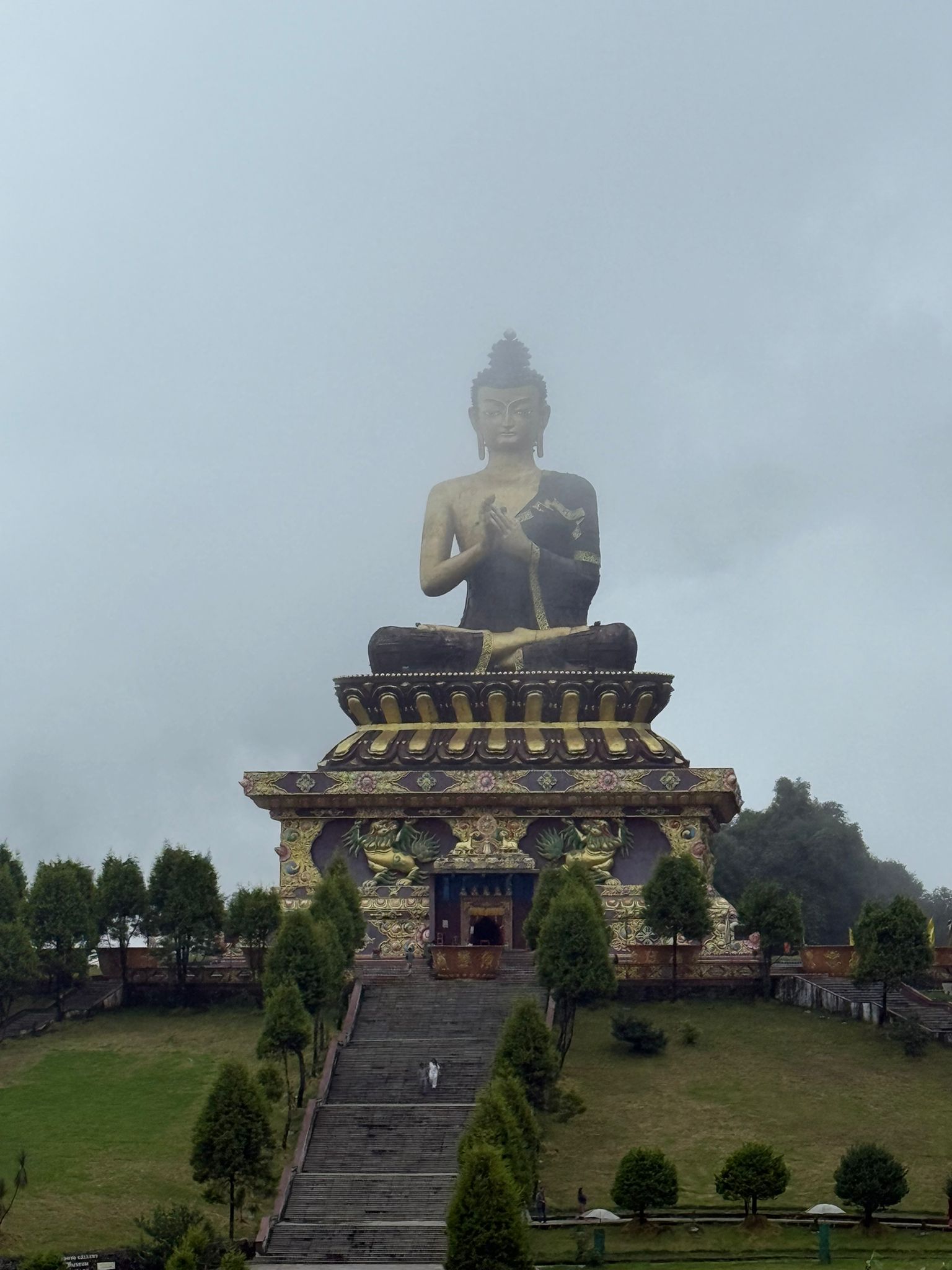
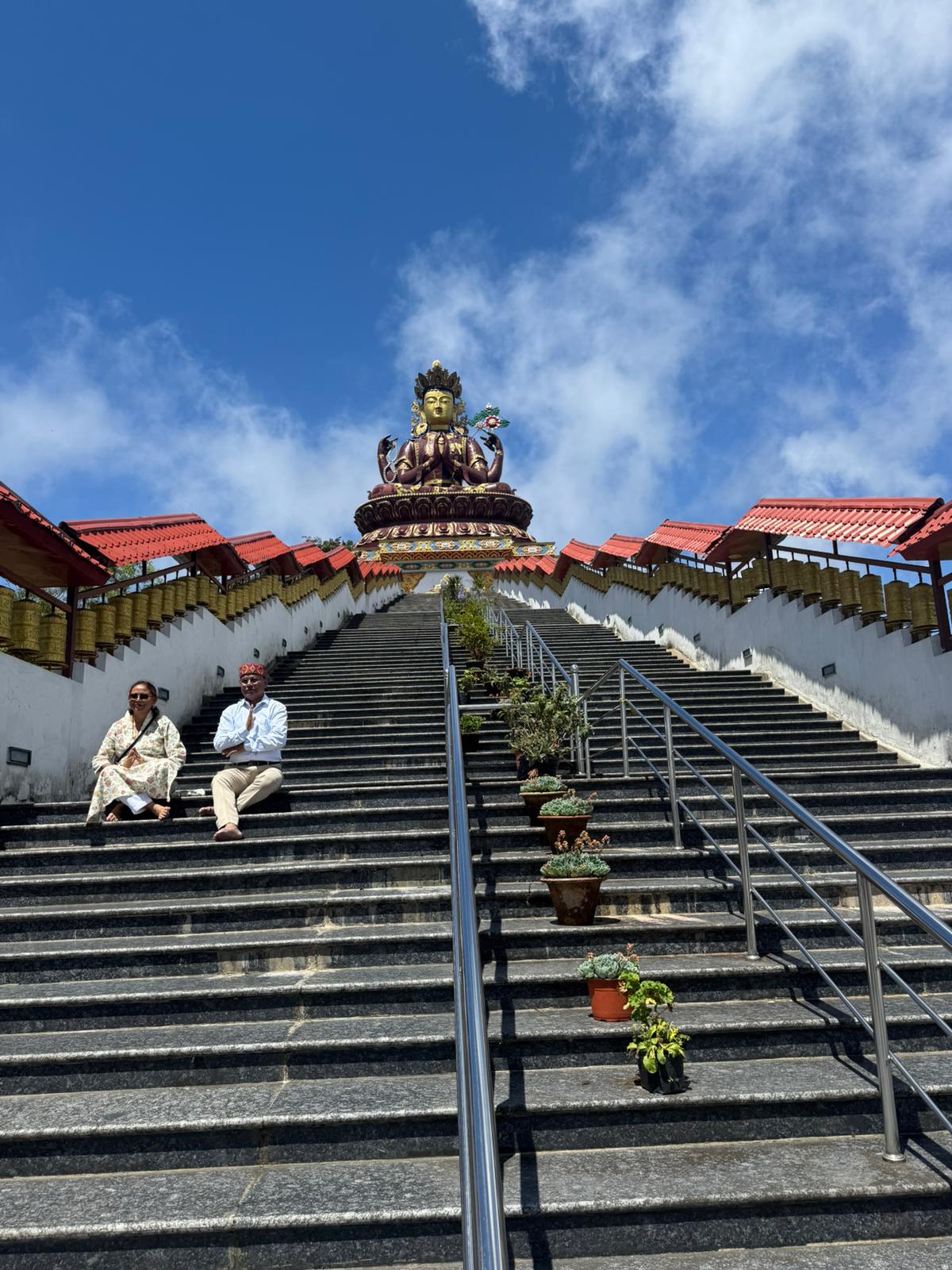
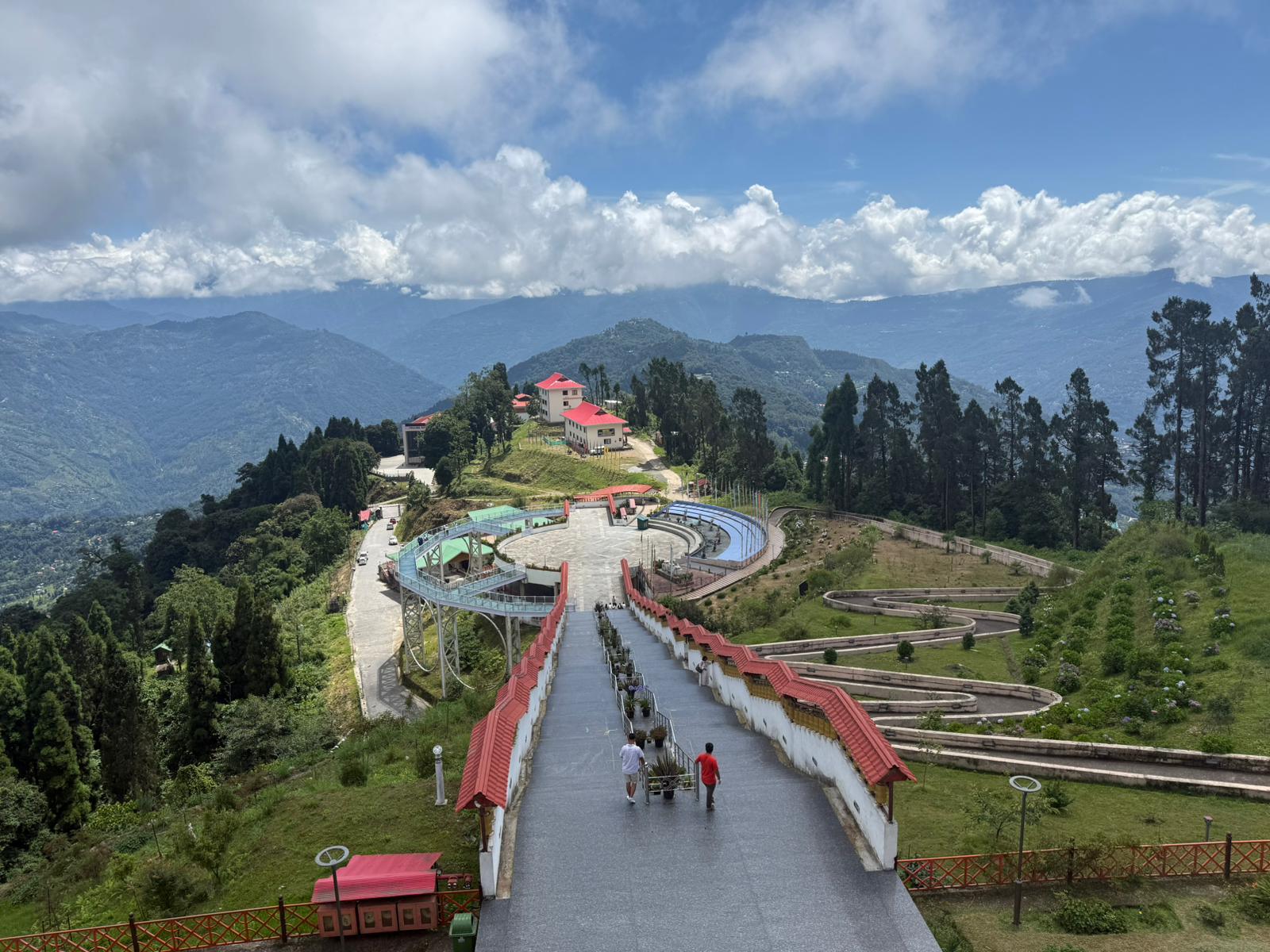
- Stop at Buddha Park in Ravangla, where a towering 130 ft golden statue of the seated Buddha rises above manicured gardens and misty hillsides.
Afternoon
- Continue to the natural thermal springs at Legship, nestled by the Rangit River. Enjoy a soak like the locals do, with sulphur-scented steam rising between the boulders.
- Picnic lunch by the river with aloo dum, crispy pakoras, and fresh fruit bought en route.
- Arrive in Pelling and check into a simple but scenic guesthouse with views of snow-capped peaks.
- Dinner of momos, thukpa, and whatever fresh catch the locals have smoked or fried that evening.
- Overnight in Pelling.
Day 5 – Pelling
Morning
- Visit Pemayangtse Monastery, one of the oldest and most significant in Sikkim, home to stunning murals and monks in maroon robes.
- Explore the haunting Rabdentse Ruins, once the seat of the Kingdom of Sikkim, now a peaceful archaeological site with commanding views of the surrounding hills.
Afternoon
- Lunch in a rustic tea house with gundruk soup and nutty buckwheat crepes.
- Visit the sacred and glassy Khecheopalri Lake, believed to fulfil wishes. Locals say not even a leaf stays on its surface; birds pluck them away.
- Begin the 4-hour drive to Siliguri, descending from the mountains into the plains.
- Arrive in Siliguri in time for a relaxed dinner with Bengali sweets, spicy street chaats, and maybe one last plate of momos before turning in.
- Overnight in Siliguri
Day 6 – Siliguri
Morning
- Breakfast at the hotel.
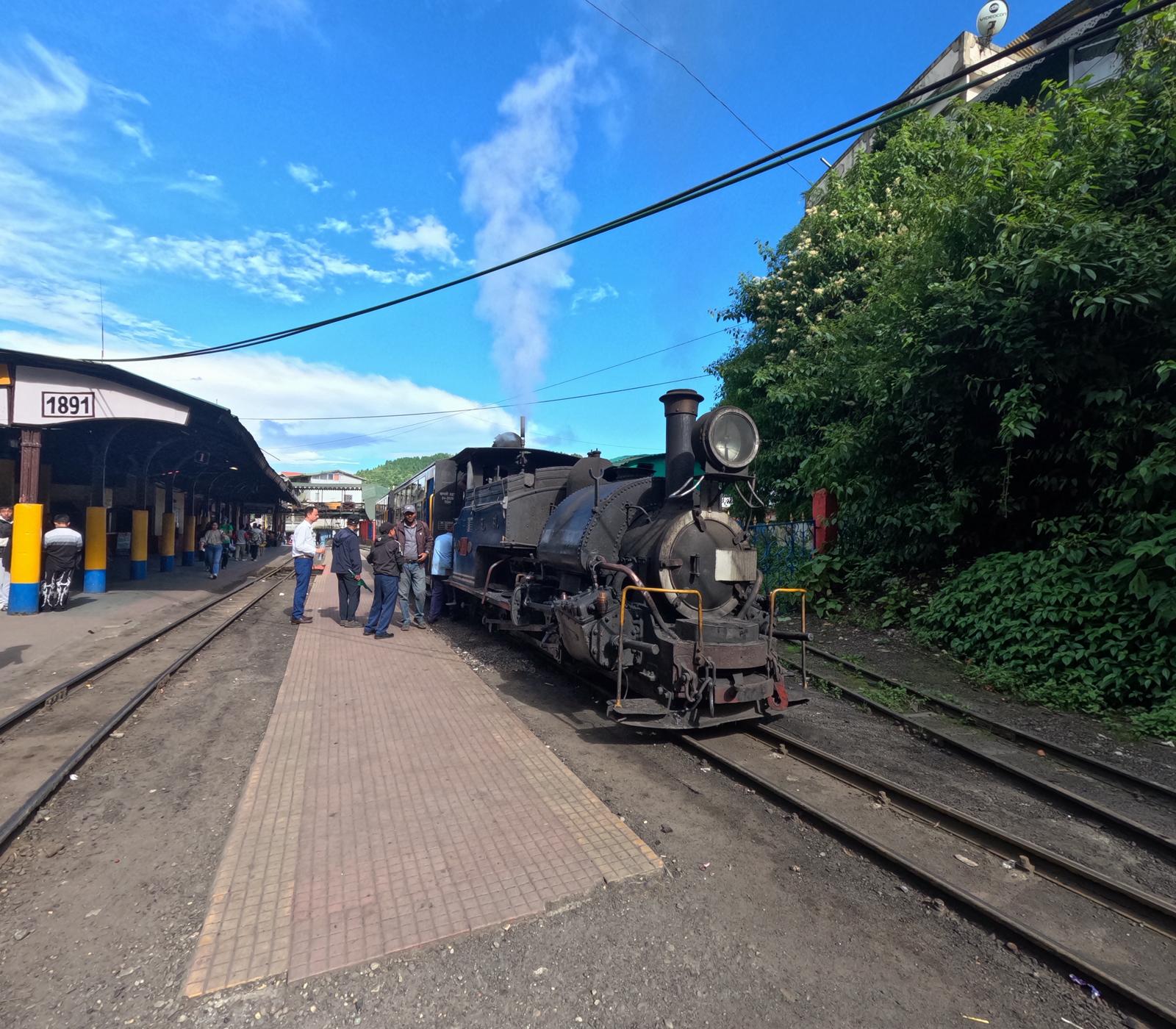
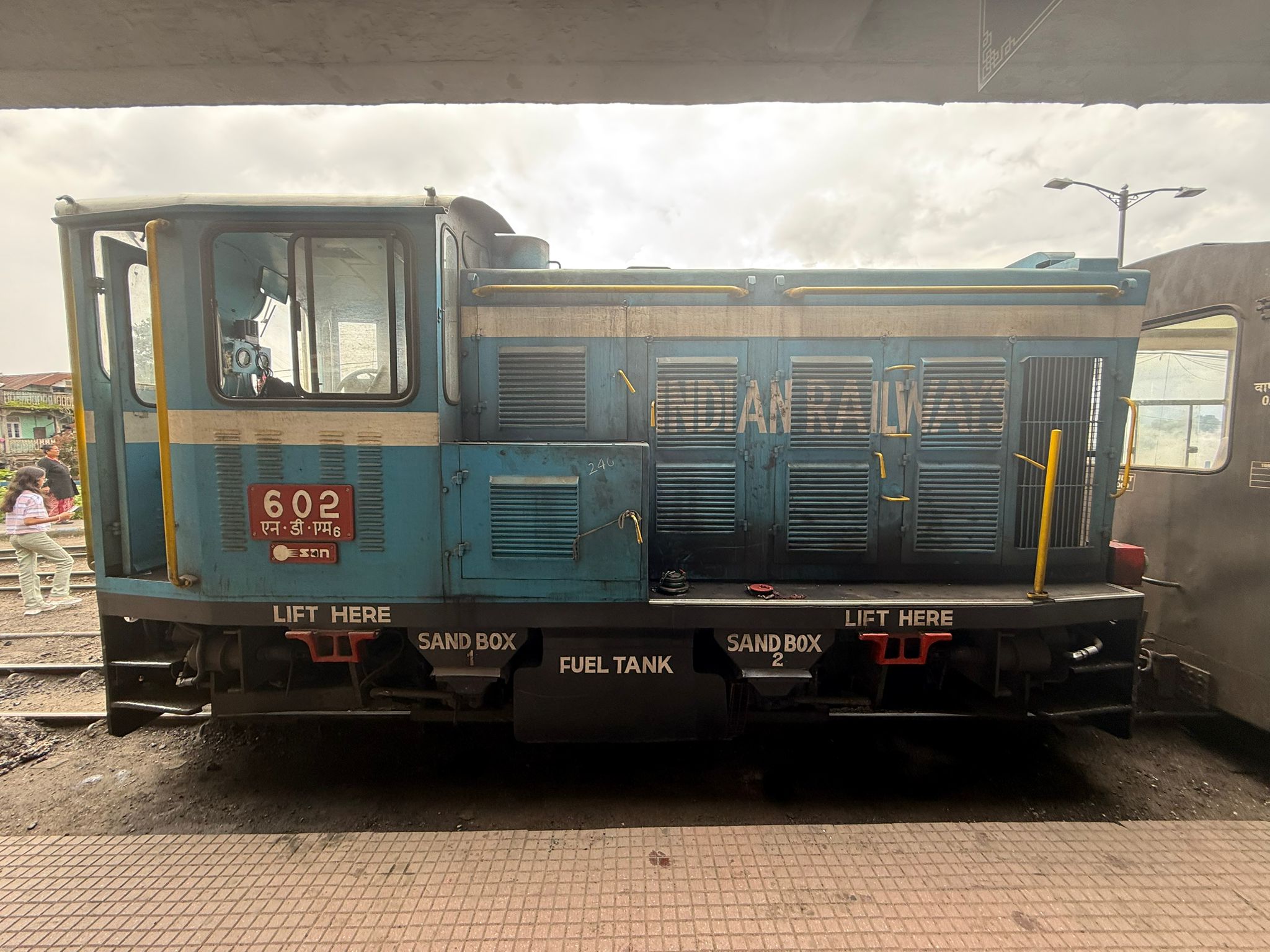
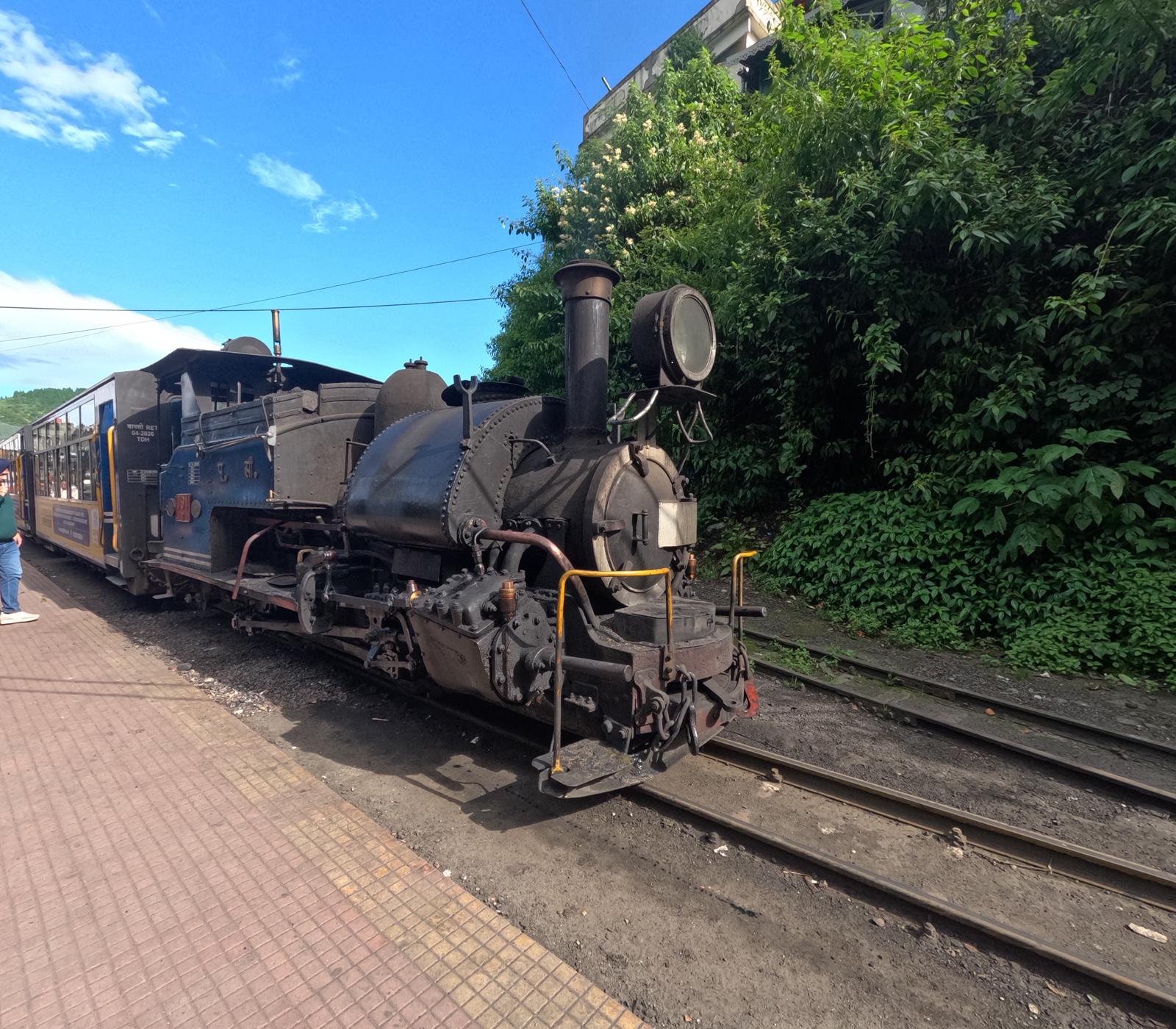
- Begin the next leg of the journey aboard the Darjeeling Himalayan Railway, affectionately known as the Toy Train. Depart Siliguri Station at 10:00 am.
Afternoon
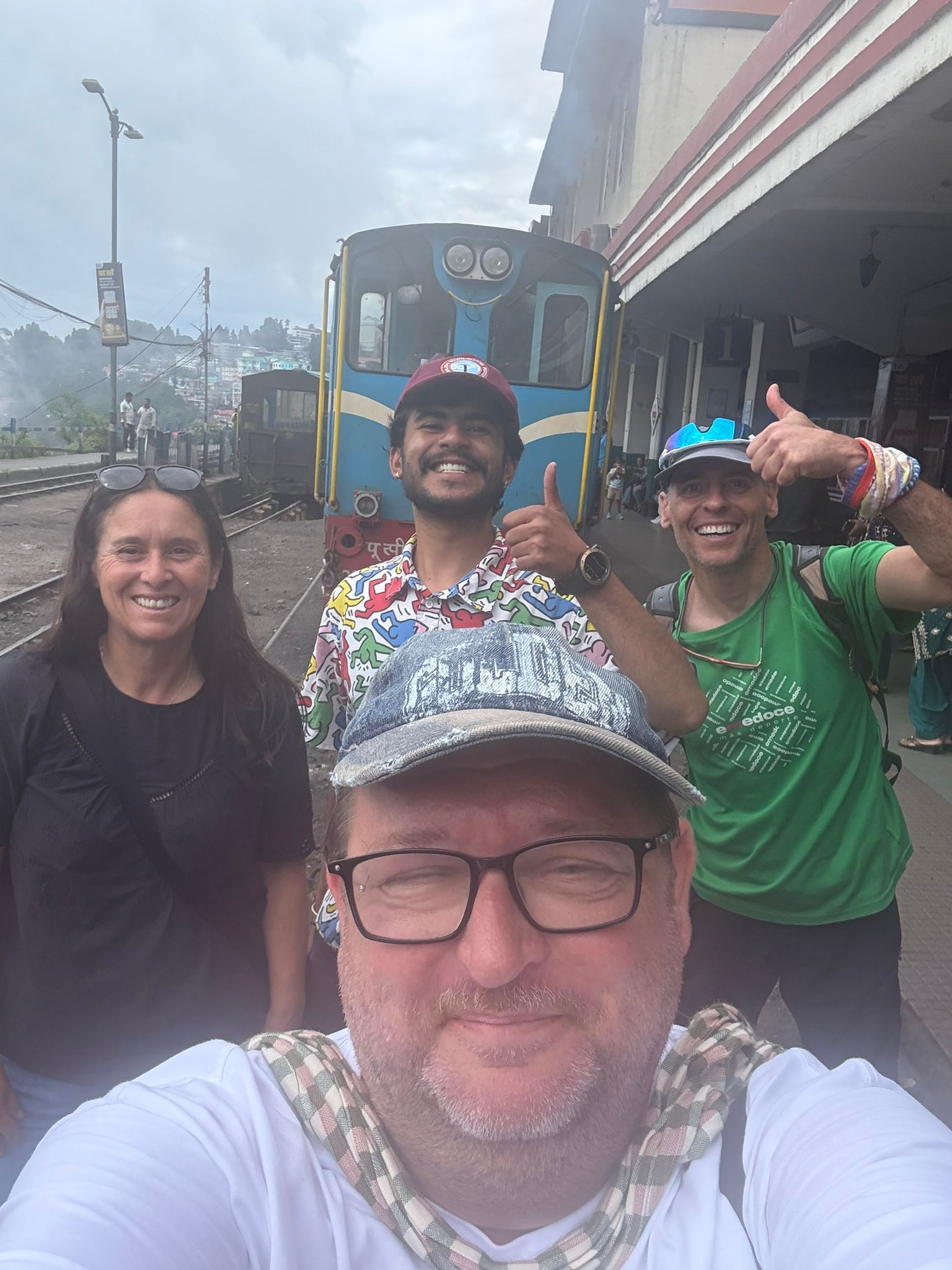
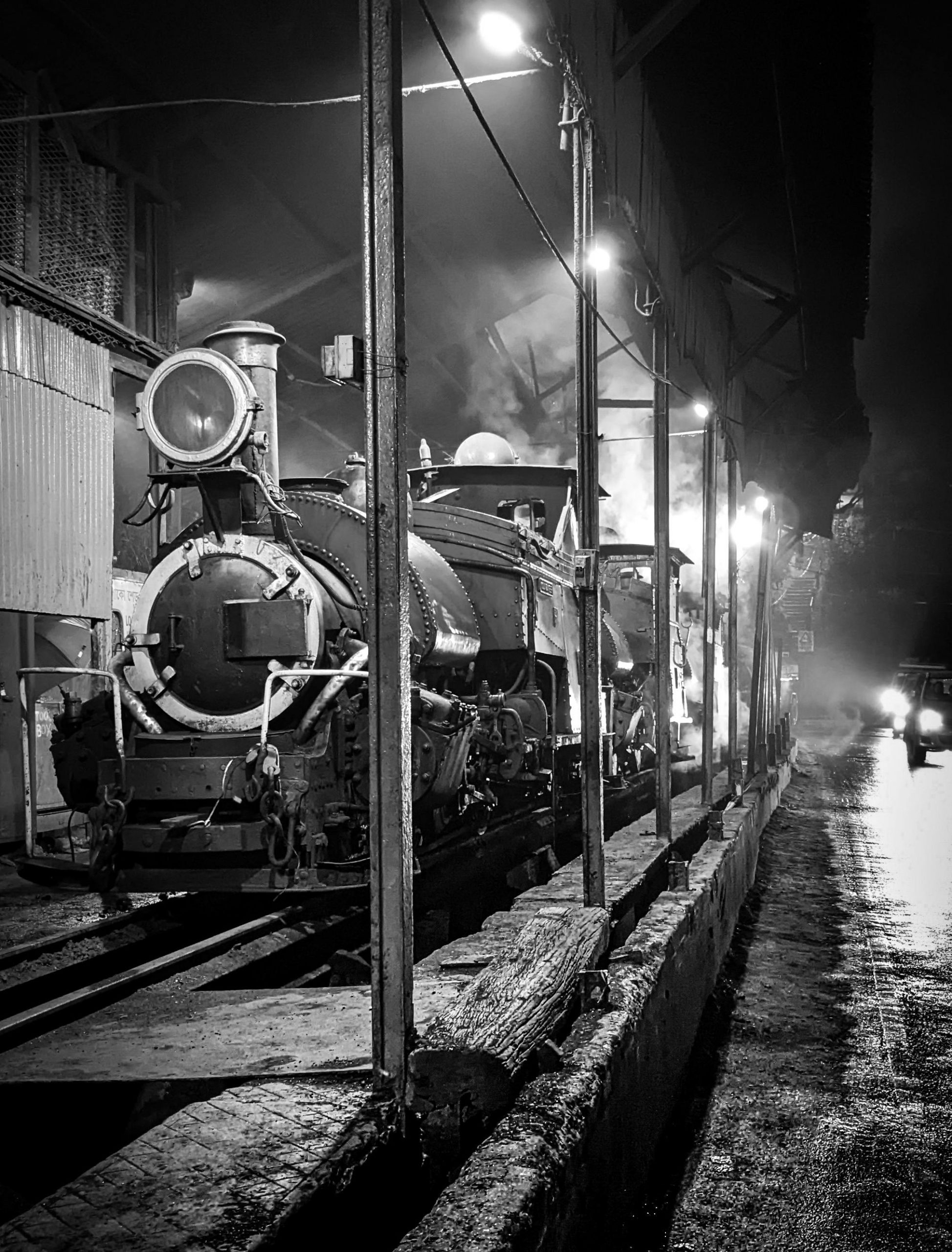
- Ride the narrow-gauge steam train for six hours of winding curves, mountain tunnels, and postcard-worthy views. Locals wave as the train chugs past villages and tea fields. This is known as one of the most iconic train journeys in the world and is a real trip highlight.
- Arrive into Darjeeling mid-afternoon and check into your charming colonial-era guesthouse.
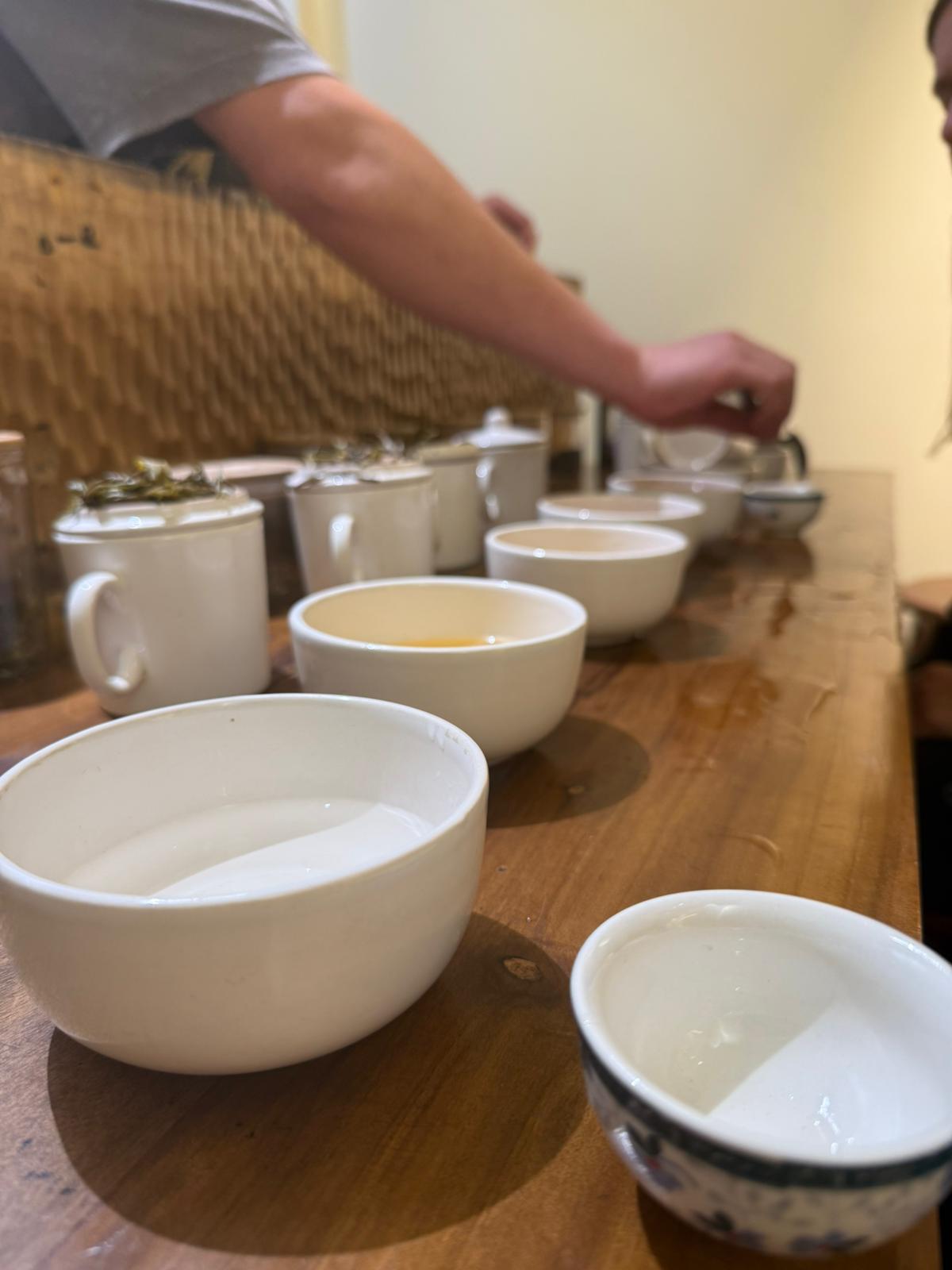
- Explore the lively Chowrasta Square, sip on freshly brewed Darjeeling tea, and maybe sample tea-infused ice cream.
- Dinner of chicken momos, piping hot thukpa, and classic butter tea. In the evening, you will also get a chance to explore the quiet village streets.
- Overnight in Darjeeling.
Day 7 – Darjeeling Villages – Tea Culture
Morning
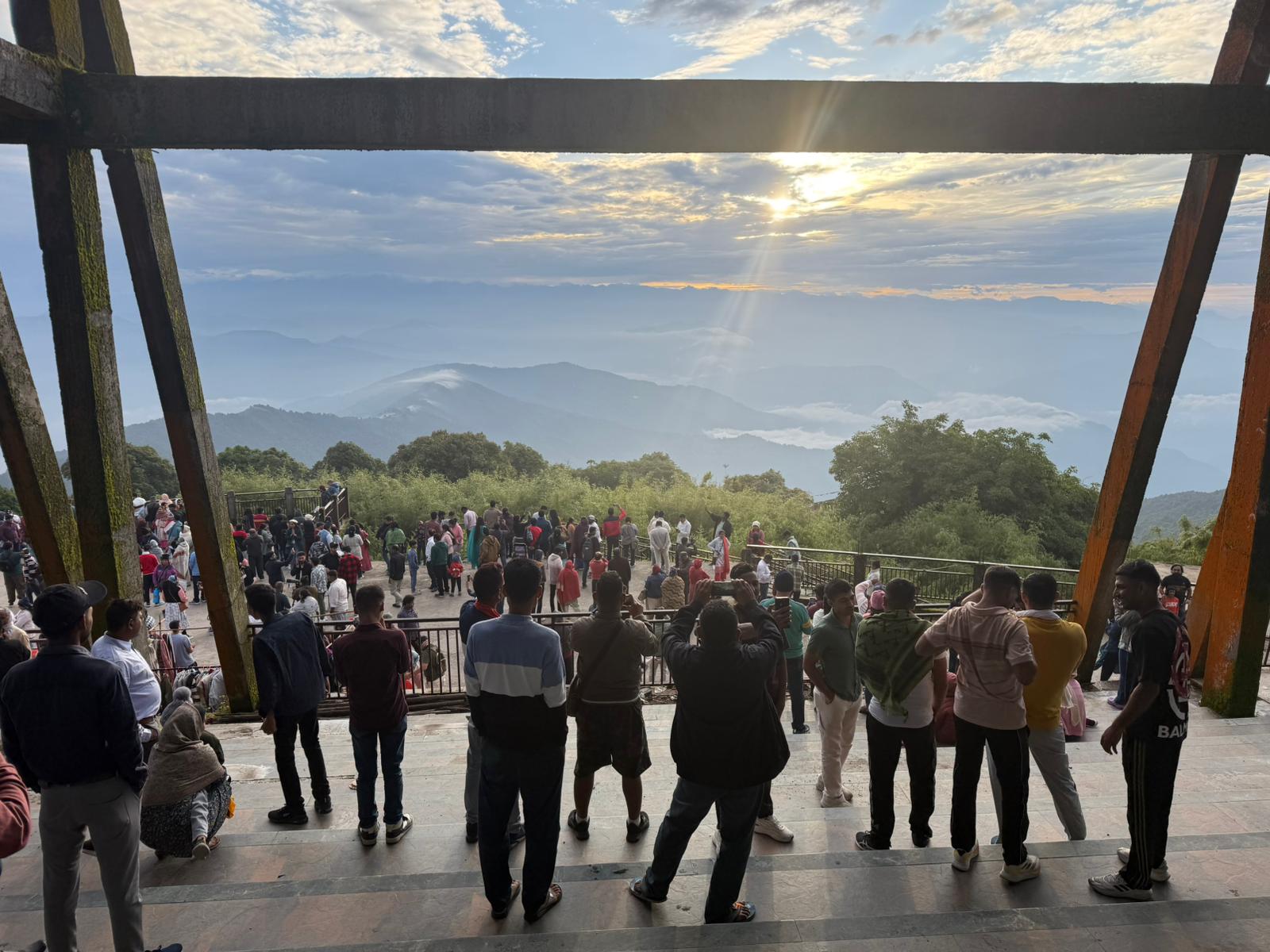
- Early start for a sunrise drive to Tiger Hill. If the skies are clear, you’ll see the first rays of sun hit Kanchenjunga’s snow-covered face in a stunning display.
- Visit the Himalayan Mountaineering Institute museum, home to Everest memorabilia and stories of local Sherpa legends.
- Tour nearby Lepcha and Bhutia villages to meet families who have called these mountains home for generations.
Afternoon
- Lunch with a local host family featuring home-cooked thenthuk, potato curry, and fermented pickles.
- Visit the serene Peace Pagoda and nearby Tibetan refugee settlements, full of history and quiet resilience.
- Dinner at a family-run tea house with yak cheese, buttered breads, and fermented mountain vegetables.
- Overnight in Darjeeling.
Day 8 – Darjeeling to Bagdogra and End
Morning
- Breakfast with mountain views before boarding your 3-hour private transfer to Bagdogra, where you can be dropped off at either the town, train station, or airport.
Afternoon
- Tour concludes with assistance for onward travel from Bagdogra, with flights and train connections to West Bengal and other major Indian cities.
Bespoke Tours to Sikkim
As well as our fixed group and independent tours packages to Sikkim YPT are also able to offer a number of bespoke Sikkim travel packages, such as those listed below.
Should you wish to do something not mentioned here, then please get in touch. If it is possible to do in Sikkim, YPT can most probably arrange it.
Tours to North Sikkim
We take you deep into North Sikkim on a custom-built journey to the icy edge of the Himalayas. Visit the sacred Gurudongmar Lake, climb towards the snowfields of Yumthang and Zero Point, and witness glaciers carving through the high-altitude desert.
Truly one of the best tours available in Sikkim.
West Sikkim Tours
Known as the wild west of Sikkim, this area offers hiking, rock climbing, homestays, eco-stays and much more. This is truly the place in Sikkim to come and experience nature, with YPT offering a number of West Sikkim itinerraies and stay programs.
The Lost Kingdom of Sikkim Tour
Until 1975, Sikkim had its own king, its own passport, and almost no one paid attention. This tour isn’t about border passes and polite palace visits. We take you through the ghost of a country. The royal chorten no one touches, underground political activists still bitter about the merger, and old-timers in Gangtok who remember when it was a monarchy. This is for YPT style Cold War geeks, lost nation obsessives, and people who want to know what it’s like to be eaten by your neighbour without a shot fired.
Hydro Dams Dissent and the Disappearing River Gods
Sikkim’s rivers are being dammed by Delhi, China, and private contractors so fast locals can’t even keep track. We run trips into contested dam zones where Lepcha protests flare up, valleys are flooded, and sacred sites vanish overnight. Sikkim might be beautiful, but it now without historical and contemporary issues.
Sikkim Chinese Borderlands Tour
North Sikkim is where maps stop working and soldiers outnumber locals by a lot. You’ll see signs that say No Foreigners Beyond This Point and we’ll take you as close as we legally can. Military convoys, locked gates, and prayer flags whipping over the Chinese border. This is geopolitical tension wrapped in Himalayan mist. Great for photographers, researchers, or just people like us who just love weird borders.
Sikkimese Culture and Cuisine Tours
From tongba hot millet beer sipped through bamboo straws to gundruk fermented leafy greens Sikkim’s food and culture is ancient, weird, and often smells fairly pungent.It is though very intestine. We’ll take you into homes, village kitchens, and back-alley joints to taste to sample and understand Sikkimese cuisine and culture.
Longer Term Digital Detox in Sikkim Tours
Want to get away from there hustle while really getting off the beaten track? We’ve got family homestays and off-grid huts in valleys where electricity still cuts out by 6pm and you bathe in a bucket. Meditate, write, hike, or just stare at clouds rolling in from Tibet. Great for burned-out city people, broke writers, or with a surprisingly good cell network even digital nomads (that have some flexibility).
Darjeeling Tours
Our standard Darjeeling tours run for 2 days, covering key sites like Tiger Hill, the Himalayan Railway, and central markets. However, these can be expanded to include tea plantation stays, local village visits, monastery stops, and heritage walks, depending on your interests. All YPT Darjeeling tours are fully customisable to suit educational, cultural, extended stay, or in-depth travel needs.
Nepal-Bhutan-Sikkim Combo Tours
Many of our group tours incorporate travel to both Bhutan and Nepal, often combined with overland routes through Sikkim for a broader Himalayan experience. We also offer fully bespoke itineraries linking Sikkim with custom trips to Nepal and Bhutan, arranged seamlessly with all permits, border crossings, and logistics handled. Whether you want to cross from Sikkim into eastern Bhutan or connect Gangtok to Kathmandu (or other variations), YPT can make it happen.
Sikkim and Northern India Tours
YPT’s Sikkim tours can be combined with trips to Assam, Arunachal Pradesh, Nagaland, and more via Siliguri (Bagdogra), the main transit hub with road, rail, and flight links. Through our trusted local partners throughout the regions and country, we arrange smooth travel connections across Northeast India and beyond, including onward journeys and itineraries throughout India.
Student, Educational and School Trips to Sikkim
We offer bespoke student and school trips to Sikkim tailored to curriculum themes like Buddhist studies, indigenous culture, and environmental science. Programs include monastery visits, talks with tribal leaders, rural sustainability workshops, and guided treks. Suitable for schools and universities, we handle all logistics and permits, creating immersive learning experiences in one of India’s most unique Himalayan regions. Academic goals, age groups, and field focus are fully customisable.
Documentary making and filming in Sikkim
With its amazing mountaintop Buddhist scenery Sikkim could easily double up as Tibet, Bhutan and even something Tolkeinian, but with far less of the red tape. That though is not to say it is completely easy either! YPT can though through our film arm Pioneer Media lease with our partners in local government ti get you the permits and permissions needed.
Frequently asked Questions about travel to Sikkim
Gallery
About Post Author