Tuvan cuisine is the kind of food that hits you with simplicity and brutality. It comes from a place where winters are harsh, animals are your lifeline, and every meal is about survival as much as taste.
You will find yourself eating meat in every form, drinking fermented dairy, and wondering how anyone survives here without livestock. It is not subtle, it is not delicate, but it is honest, filling, and unlike anything else in Asia.
You eat what is available, often raw, fermented, boiled or fried, and you do it with the locals who have done the same for centuries. If you want to know Tuva, you eat Tuva.
Click to read about Mongolian cuisine.
Table of Contents
Background to Tuvan Cuisine
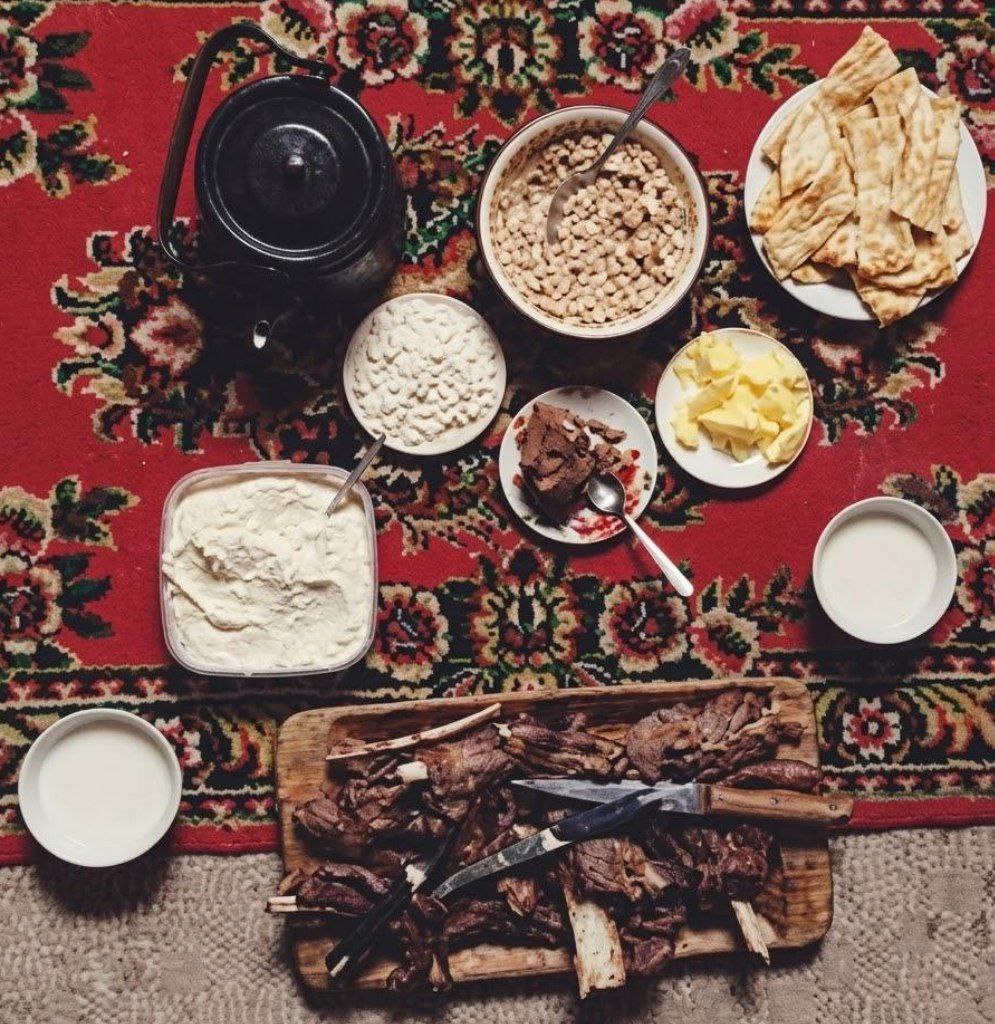
Tuva’s food comes from nomadic herding, Siberian isolation, and Mongolian influence. Meat dominates because herds provide everything: mutton, beef, goat and horse. Dairy is central. Milk, cream, yogurt, cheese, and fermented products appear in almost every meal. Vegetables are rare, mostly seasonal, and spices are minimal.
Cooking is straightforward: boiling, frying, smoking, or fermenting. Russian influence brought bread and noodles, but the cuisine remained primarily pastoral. Every dish is utilitarian, designed to fuel a day riding across the steppe or surviving the bitter winters. It is simple, hearty, and functional, but when done right it is unexpectedly tasty.
Top 5 Tuvan Dishes to Try
If you are going to eat in Tuva, there are five things you cannot skip. They are not fancy, but they tell you everything about this place.
5. Boorash
A mutton stew cooked with onions and fat. Heavy, smoky, and filling, it is eaten with flatbread. The kind of food that leaves you satisfied for hours.

4. Shulep
Milk soup sometimes mixed with meat. Slightly sour from fermentation. Breakfast for the locals, and surprisingly comforting. You either love it or you hate it.

3. Kuurdak
Fried meat with onions and potatoes. Often leftovers from other meals. Crispy edges, soft interiors, smoky flavour. Exactly what you want after a long day outdoors.

2. Airkhan
Steamed dumplings with meat filling. Soft, greasy, and served with butter or milk. Similar to Mongolian buuz but more Tuvan. Hard to stop eating once you start.
1. Posik
Dried or smoked horse meat. Iconic. Chewy, strong, salty. This is what makes Tuva memorable. Outsiders may flinch, locals swear by it.

Top 5 Drinks to Try in Tuva
Drinks are either dairy, tea, or strong spirits. There is nothing light or refined here.
5. Black Tea
Boiled strong, sometimes with salt. Everywhere, all the time. You drink it constantly

4. Aaru
Fermented mare’s milk. Slightly alcoholic, sour, frothy. Traditional nomad fuel.
3. Kumis
Fermented horse milk. Fizzy, sour, slightly stronger than Aaru. Served to guests, considered healthy.

2. Airkhan Milk Tea
Tea mixed with milk, butter, and sometimes salt. Thick, warming, and filling. Essential in winter.

1. Vodka (of course)
Locally distilled, cheap, and strong. Drunk with dried meat. Functional and brutal.

Conclusion
Tuvan food is not for the faint-hearted or the picky. It is meaty, dairy-heavy, and designed for survival. There is no elegance, no presentation, just honest flavours and practical cooking. If you want novelty and culture in equal measure, this is it.
You will leave full, probably confused, but impressed. Eating in Tuva is about experiencing the land, the herds, and centuries of tradition in a way few other places can match.
Click to see our Russia Tours.
About Post Author