Talking about Indian food as if it is one neat, unified cuisine is frankly ridiculous. India is not a small, tidy country with a single culinary identity. It is a subcontinent. The food in the mountains of Kashmir has almost nothing in common with what is eaten on the beaches of Goa or in the temples of Tamil Nadu. When people say Indian food, what they usually mean is a narrow regional export that has been cleaned up and simplified for foreign markets.
Yes, there are Indian restaurants everywhere in the world, and we mean everywhere. London is full of them, so is Berlin, so is Bangkok, but what you often get abroad is a regional interpretation, commonly influenced by Bengali or Punjabi cooking, adapted to local tastes. In England that has historically meant curry houses serving balti, korma and the odd plate of chips on the side. It is not wrong (well a bit), but it is only one corner of what Indian food actually represents.
This article we delve deep into the universe that is real Indian scran.
Table of Contents
The History and Concept of Indian Food
Indian food developed over thousands of years through trade, migration, invasion, religion and geography. The Mughal Empire left a heavy mark on northern Indian food, introducing rich meat curries, kebabs and layered rice dishes such as biryani. The Portuguese brought chilli, tomato and potato, three ingredients that are now central to Indian food across many regions. The British contributed railway catering traditions, tea culture and some strange hybrid breakfast habits.
Religion shaped Indian food just as strongly as empire did. Hindu traditions created vast vegetarian cuisines and strict food rules in certain communities. Islamic influence refined meat preparation and royal kitchen techniques. Buddhist regions in the east leaned towards simpler rice based dishes. Caste systems and religious restrictions added further layers of complexity.
Geography explains the rest. Wheat dominates in the north. Rice feeds the east and south. Coconut is fundamental along the western and southern coasts. Mustard oil defines much of Bengal. In Rajasthan, where desert conditions dominate, Indian food evolved around preservation, dried ingredients and heavy use of ghee. Every region cooks with what grows locally, and that is why Indian food is layered, inconsistent and impossible to reduce to one definition.
Indian food is not one cuisine. It is dozens of cuisines stitched together by borders and passports.

Main Regional Styles of Indian Food
Every Indian state eats differently, and climate, religion and history all play decisive roles in shaping Indian food across the country.
Punjabi Food
Punjabi Indian food is heavy, rich and built around wheat and dairy. Think tandoori chicken, dal makhani and parathas soaked in butter. Meat features heavily, and the flavours are bold rather than subtle. This is the style that has travelled widely and shaped much of what the world thinks Indian food looks like.

Bengali Food
Bengali Indian food revolves around fish, rice and mustard oil. Spicing is more restrained but deeply aromatic. Goat curries are slow cooked and reduced until thick and intense. Kolkata style cooking has influenced many Indian restaurants abroad, even if people do not realise it.

South Indian Food
South Indian food is rice based and often lighter in texture but not lacking in flavour. Dosas, idli and sambhar are staples. Coconut, curry leaves and tamarind define many dishes. Tamil Nadu, Kerala and Karnataka each have distinct approaches, but all sit firmly within the broader category of South Indian food.

Rajasthani Food
Rajasthani Indian food reflects desert survival. Dried lentils, preserved ingredients and heavy use of clarified butter are common. Dal baati churma is the most famous example and represents the practicality behind the cuisine.

Gujarati Food
Gujarati Indian food is predominantly vegetarian and often includes subtle sweetness in savoury dishes. The thali format dominates, offering multiple small dishes served together, allowing variety within a single meal.

Hyderabadi Food
Hyderabadi Indian food carries strong Muslim royal influence. Biryani is the flagship dish, traditionally layered, sealed and slow cooked. Meat dishes are aromatic and rich without relying purely on heat.

Goan Food
Goan Indian food shows clear Portuguese influence. Pork, vinegar and seafood are common. Vindaloo originated here before being heavily adapted abroad.

Kashmiri Food
Kashmiri Indian food is known for rich meat dishes and carefully balanced spice blends. Traditional recipes often avoid tomato and focus on yoghurt and aromatic spices. Wazwan feasts are elaborate multi course affairs.

North Eastern Food
North Eastern Indian food is entirely different from what many imagine. Smoked meats, fermented bamboo and wild herbs dominate. The flavours and techniques feel closer to Southeast Asia than to Delhi.
Top 11 Indian Food Dishes to Try
If you are serious about understanding Indian food, these dishes are a solid starting point.
11 Pav Bhaji
A Mumbai street staple made from spiced mashed vegetables served with buttered bread rolls. Simple, messy and effective.

10 Masala Dosa
A crisp rice pancake filled with potato masala. Best experienced in South India where it is eaten daily.

9 Rogan Josh
A slow cooked lamb curry from Kashmir with deep aromatic character.

8 Vada Pav
A deep fried potato patty in a bun with chutney. India’s everyday fast food.

7 Chole Bhature
Spicy chickpeas paired with deep fried bread. Heavy and unapologetic.

6 Goan Fish Curry
Fresh seafood in a tangy coconut gravy that reflects coastal Indian food traditions.

5 Butter Chicken
Often copied, rarely perfected. When done properly in Delhi it remains a benchmark of North Indian food.

4 Hyderabadi Biryani
Layered rice and meat cooked under seal. Authentic versions take time and precision.

3 Kosha Mangsho
A thick, slow cooked Bengali goat curry reduced to intense depth.

2 Thali
A complete regional meal served on one plate. The fastest way to understand local Indian food.
1 Street Chaat
Sweet, sour and spicy snacks eaten standing up in cities like Delhi or Varanasi. This is Indian food at its most immediate and chaotic.

Indian Street Food
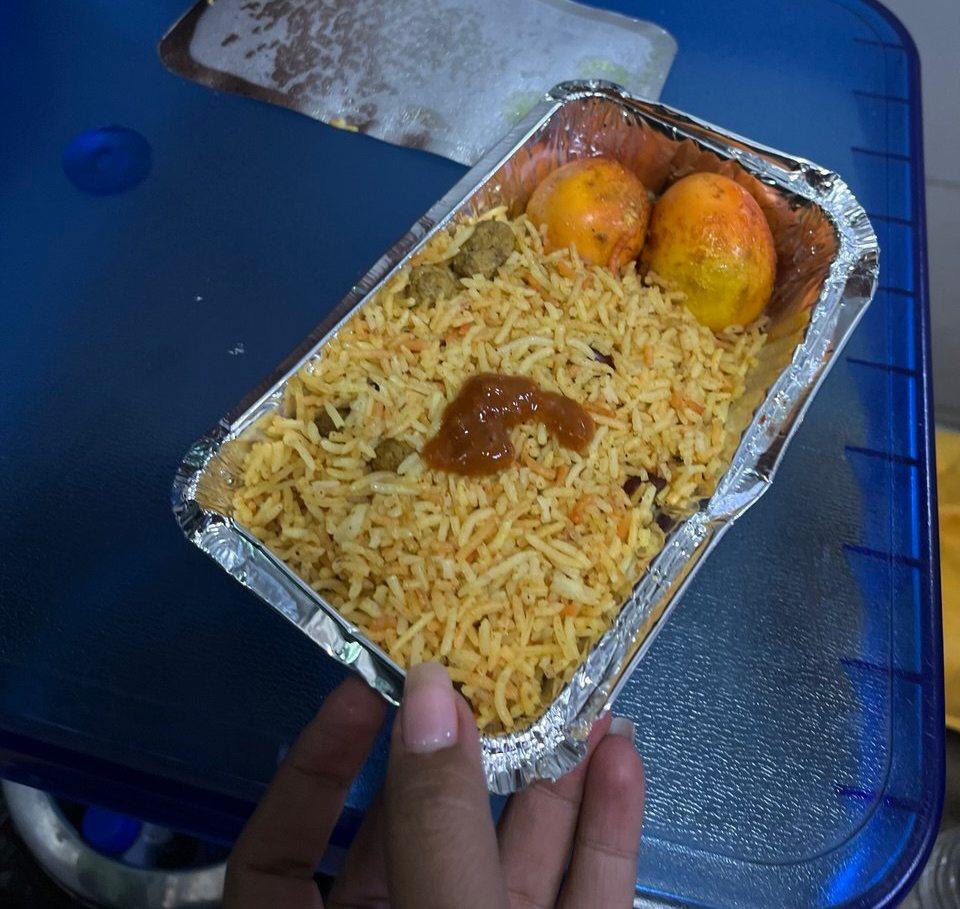
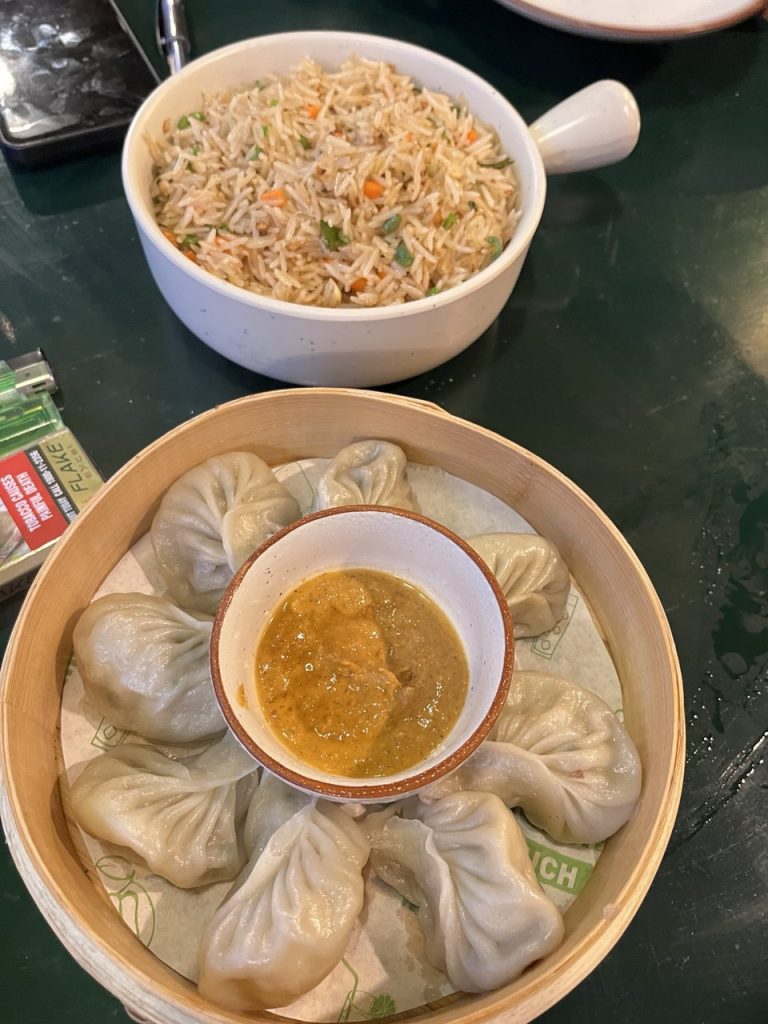
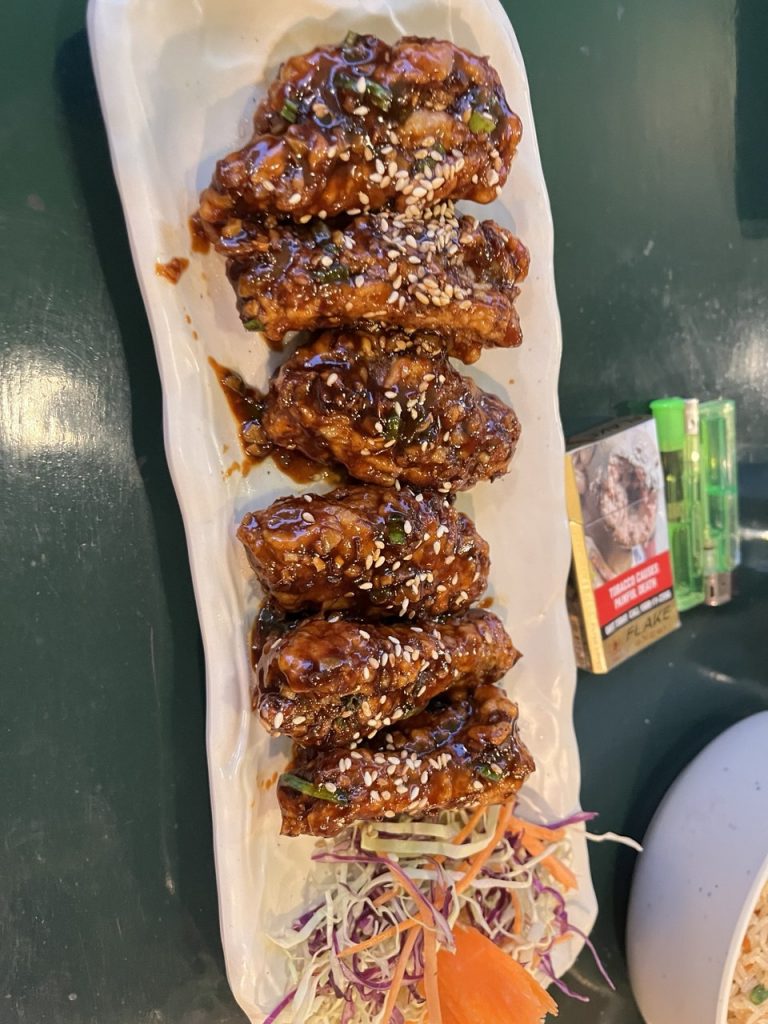
Street food is where Indian food truly comes alive. It is cheap, fast and cooked within arm’s reach of traffic. Hygiene varies, but turnover is high and flavour rarely disappoints. The rule is simple: eat where locals queue and avoid empty stalls.
Pani puri delivers a burst of spiced water in a crisp shell. Kathi rolls from Kolkata wrap meat or egg in flaky paratha. Samosas are deep fried staples found everywhere. Aloo tikki sizzles on hot plates in Delhi. Litti chokha remains a regional classic in Bihar. Egg rolls fuel late nights in Kolkata. Bhutta, charcoal grilled corn rubbed with chilli and lime, is sold roadside across the country.
India you can pretty much sum up that Street Food is life here, not just some skit put on for foreign folk.
Drinking in India
Drinking culture in India can appear contradictory. Public alcohol consumption may be frowned upon in some areas, yet weddings can involve vast quantities of whisky. Domestic spirits dominate because import taxes are high. Beer is widely available but generally basic, though improving in larger cities. Rooftop bars exist in major urban centres, while smaller towns often drink discreetly indoors.

Top Drinks to Try in India
Old Monk Rum
A long standing cult favourite available across the country.

Kingfisher Beer
Standard lager that is best served cold.

Bira 91
A modern Indian beer brand popular in urban areas.

Amrut Whisky
One of India’s most respected exports with international recognition.

Feni
A strong regional spirit from Goa made from cashew or coconut.

Masala Chai
Spiced tea boiled with milk and sugar, consumed throughout the day.

Lassi
A thick yoghurt drink from Punjab served sweet or salty.

Conclusion
If you believe you already understand Indian food because you have eaten curry abroad, the reality is that you probably do not. Indian food changes dramatically from region to region, shaped by climate, religion, history and local produce.
The best way to understand India is to eat through it, one state at a time, and accept that there is no single definition that can contain it.
Click to check our Sikkim Tours – India tours to follow…
About Post Author