The region of Afrin Syria became a contested and sought after area during the Syrian Civil War. Prior to the war, Afrin Syria was a cosmopolitan haven in the beautiful and scenic Afrin region, bordering Turkey to the North. This article offers a brief history of Afrin, the region in which war and conflict have completely changed the demographics of the region, which is having lasting impacts today.
Table of Contents
Early Afrin Syria
The area, located in the Afrin Valley, has historically been settled by Kurds since at least the 16th–17th centuries. It was known as Ufrenus in the Roman era and has been part of various empires throughout history before being incorporated into modern Syria.
Prior to 1930, the population of Afrin consisted almost entirely of Kurds, with the area named Çiyayê Kurmênc (Mountain of the Kurds). During the 1930s, Kurdish Alevis settled in Maabatli in the Afrin District. Afrin remained to be almost entirely composed of different Kurdish communities as well as Yazidis.
Afrin Syria During The Syrian Civil War
At the beginning of the war, Afrin did not experience much conflict and actually became a region of large-scale immigration. According to a June 2016 estimate, around 316,000 displaced Syrians of Kurdish, Yazidi, Arab and Turkmen background were living in Afrin Canton at the time.
This is because in March 2012, following the Syrian government withdrawal from the area, the YPG (the People’s Defense Units) which is a Kurdish majority militia group took control of the area. They held onto control of the area for years, which saw the increase of other ethnic groups such as Kurds, Yazidis, Arabs and Turkmens seek refuge in Affrin.
During the war, Afrin became a cosmopolitan region due to the nature of the war and the increasing number of internally displaced refugees
Operation Olive Branch
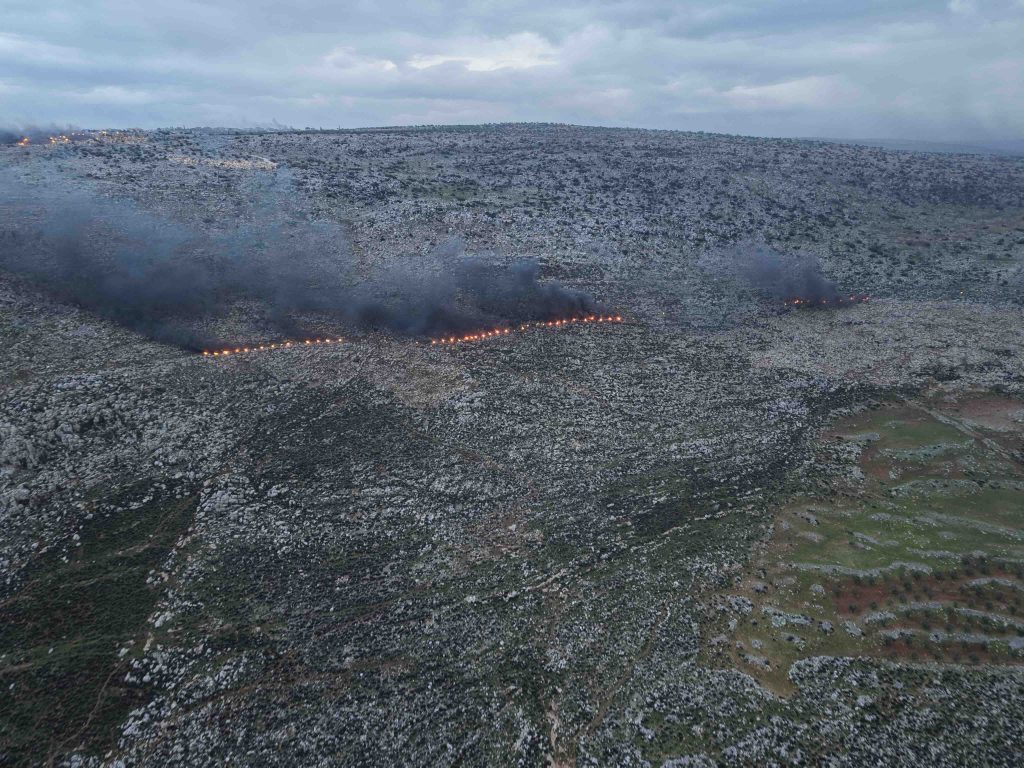
Operation Olive Branch began on 20 January 2018, when Turkey and allied Syrian rebel groups launched an offensive against the Kurdish-controlled Afrin region in northwestern Syria. The main target was the Kurdish YPG militia, which Turkey considers tied to the PKK and a threat along its southern border.
The fighting continued for almost two months, with Turkish airstrikes, artillery and ground forces steadily advancing through the Afrin countryside before entering Afrin city on 18 March 2018. By then, most of the region had come under Turkish-backed control.
The offensive caused major displacement across the region. Hundreds of civilians were killed and many Kurdish residents fled Afrin, with estimates suggesting between 150,000 and 300,000 people were forced from their homes.
Since then, Afrin has remained under Turkish influence.
The Overthrowing of the Assad Government
In Afrin, the fall of Assad did not immediately change who controlled the area, since it had already been under Turkish influence and the control of Turkish-backed Syrian factions since 2018.
However, after Assad’s collapse, many Kurdish families who had been displaced from Afrin during Operation Olive Branch began returning to their villages and towns. By early 2025, reports suggested that more than 20,000 Kurdish families had returned to the region, and in some villages most former residents had come back.
At the same time, some Arab families who had been settled in Afrin after 2018 reportedly began leaving, especially as the balance of power shifted and some Turkish-backed factions lost influence. In some areas, entire villages were reportedly abandoned by Syrian National Army-linked families.
Even so, the situation remained difficult for returnees. Many people came back to damaged homes, seized property and demands for money from local armed groups or people occupying their houses. Some returnees found their homes stripped of doors, heaters and furniture after years of displacement.
What Happened When The SDF Withdrew From Kurdish Majority Areas In Syria?
When the SDF withdrew from Kurdish-held areas of Aleppo, especially the Sheikh Maqsoud and Ashrafiyeh neighbourhoods, it was part of a broader agreement with the new Syrian government after Assad’s fall. SDF fighters gradually left the city and moved east towards SDF-held territory in northeastern Syria. In exchange, the Syrian government took over administration and security responsibilities, while some Kurdish internal security forces remained in the neighbourhoods under arrangements with Damascus. Prisoner exchanges also took place and the government promised to protect the cultural rights of Kurdish residents.
In Afrin, the changes were less dramatic because the area had already been outside SDF control since 2018, when Turkey and Turkish-backed factions captured it during Operation Olive Branch. However, after the 2025 agreements between Damascus and the SDF, some Turkish-backed groups reportedly reduced their presence in Afrin. This created an opportunity for more displaced Kurdish families to return to villages and towns they had fled years earlier.
Afrin Syria Today
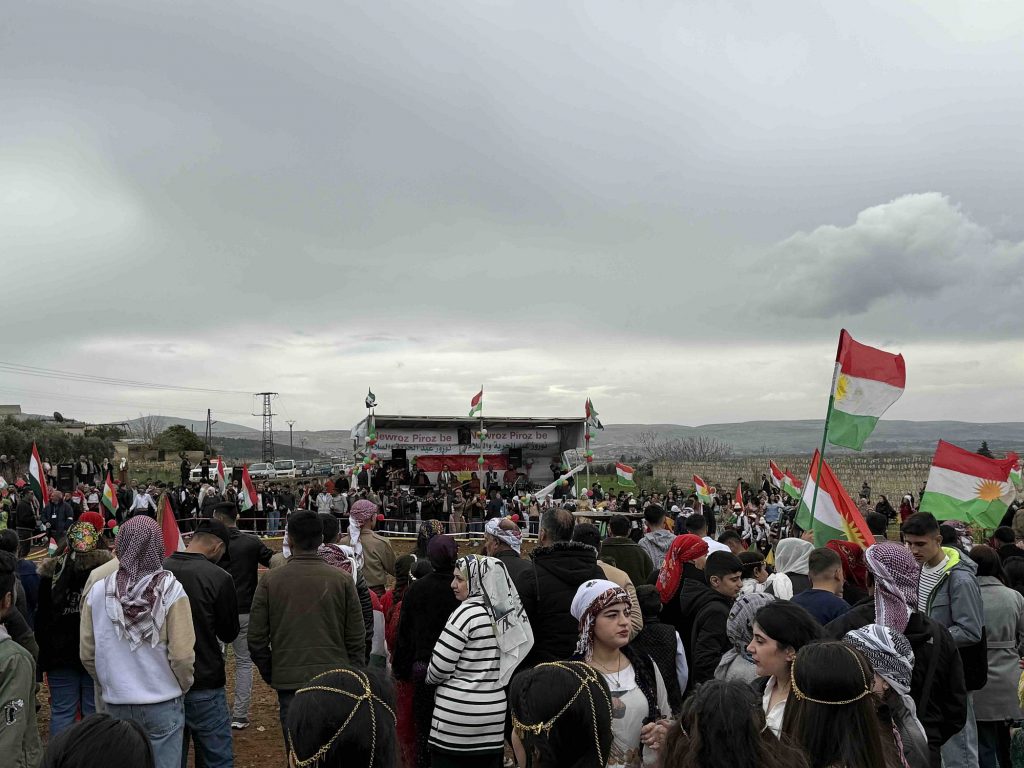
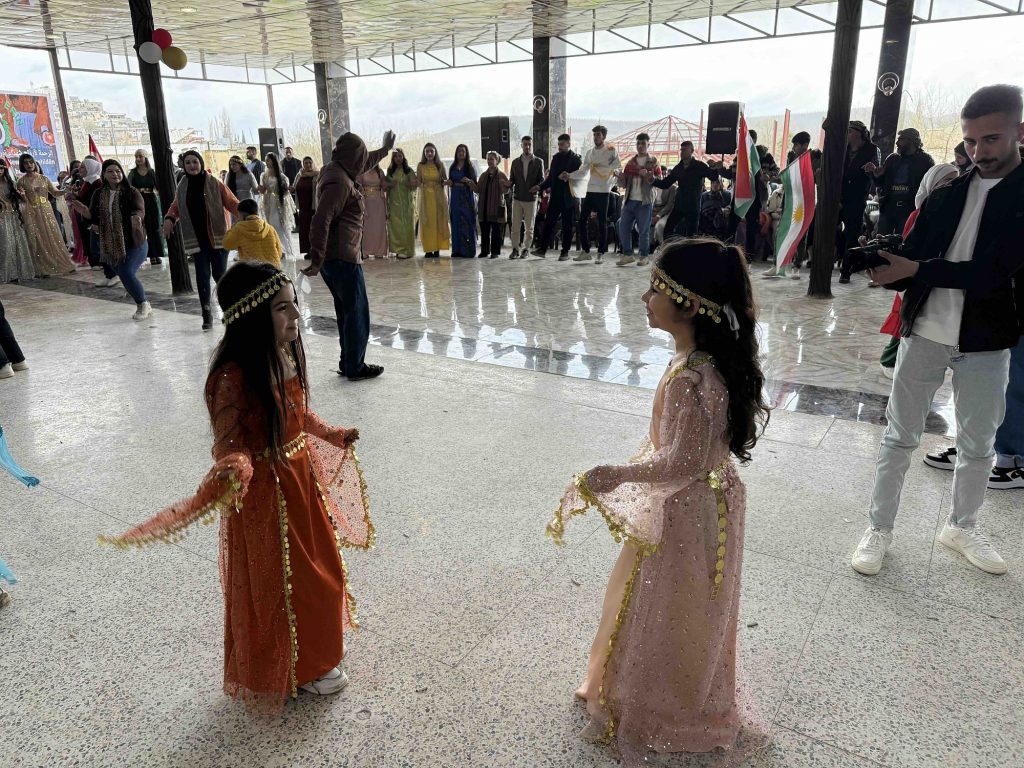
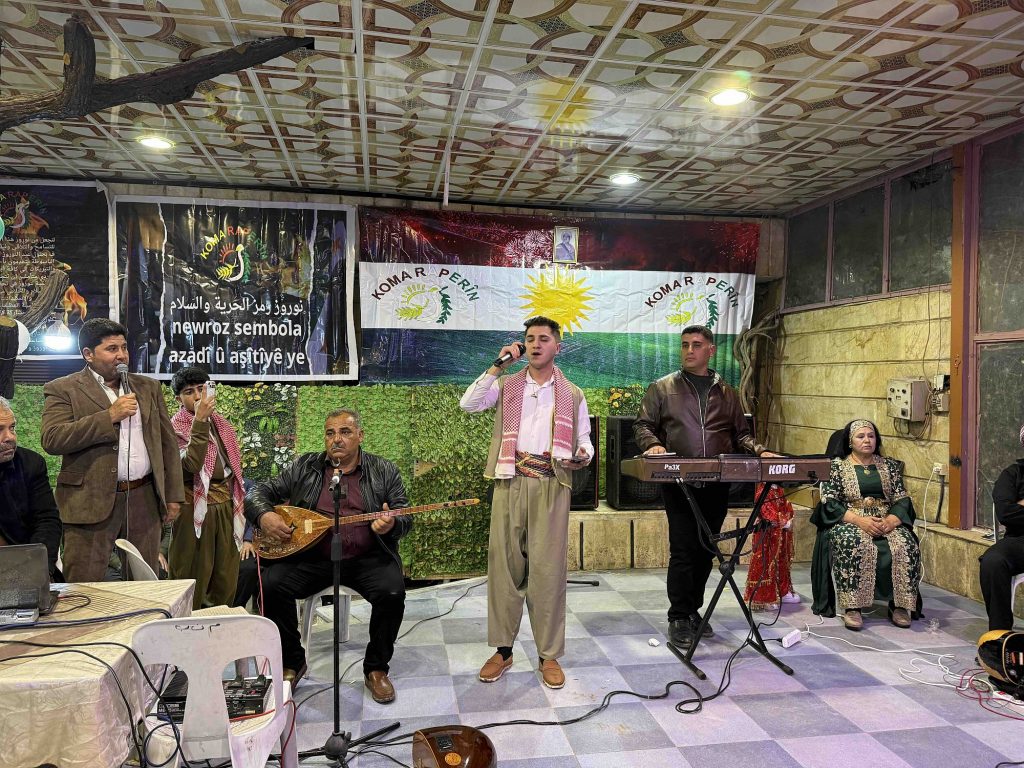
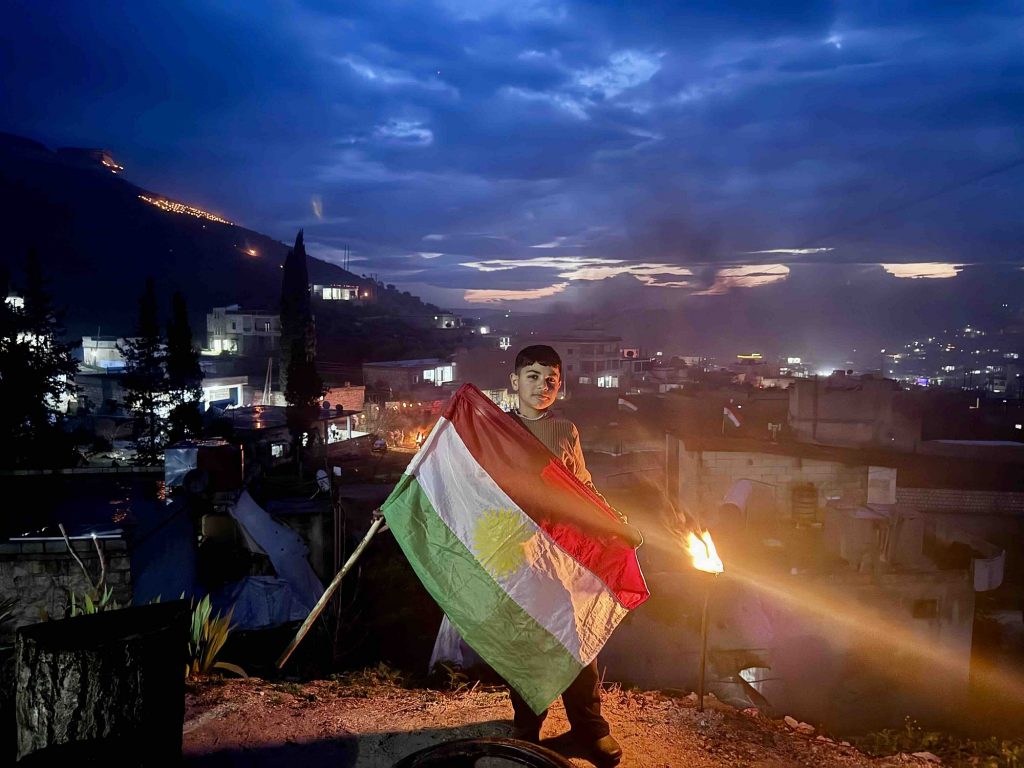
There were also signs of greater Kurdish cultural freedom after Assad’s fall. Kurdish language and celebrations such as Nowruz became more openly recognised, and many displaced Kurds returned to Afrin to celebrate for the first time in years.
Visiting Afrin Syria
Do you want to visit Afrin? Why not visit for the most festive time of year? Newroz!
About Post Author