Talking about money in Liberia is not like talking about cash in London, Paris, or New York. It is rough, practical, and very much part of survival. Whether you are in Monrovia, Gbarnga, or some roadside village along the St. Paul River, you quickly learn that cash rules everything. Liberian money is not just for paying for taxis or beer, it is the backbone of daily life, the measure of value, and often the thing that keeps you out of trouble. Understanding how money in Liberia works is essential because if you rely on cards, ATMs, or wishful thinking, you are going to get caught short very fast.
The official currency of Liberia is the Liberian dollar, but in reality, Liberian money exists alongside US dollars almost everywhere. Small vendors, markets, and taxis will happily take the local Liberian currency, but larger purchases like hotels, restaurants, or tourist services often expect US dollars. Knowing how to handle both forms of money in Liberia is vital because you will constantly be switching between the two without thinking about it.
Click to read about Charles Taylor.
Table of Contents
Colonial History and Early Currency
Liberian currency has a strange history. Unlike most of West Africa, Liberia was never colonized in the traditional sense, but it had heavy influence from the United States. Early on, Liberian money barely existed, and the US dollar circulated widely. This dual system created a mix of practicality and chaos that survives to this day.
In 1943, the Liberian dollar was officially introduced to give the country some control over its own financial system. This was not about making life easy, it was about independence and managing an economy without relying entirely on the United States. Since then, the Liberian dollar has formed the backbone of Liberian money, even though US dollars remain ubiquitous for bigger transactions. Understanding this history helps explain why money in Liberia can feel inconsistent, why change is often missing, and why carrying cash is non-negotiable.
Coins and Banknotes of Liberia
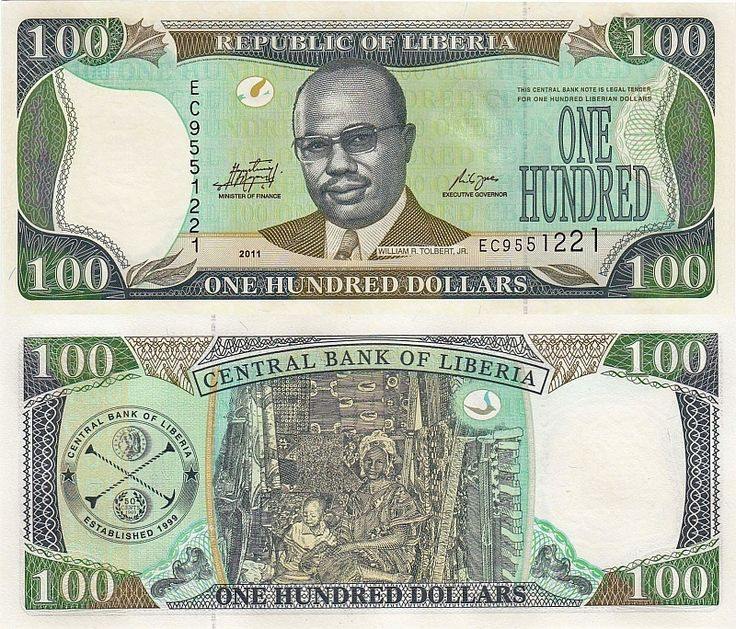
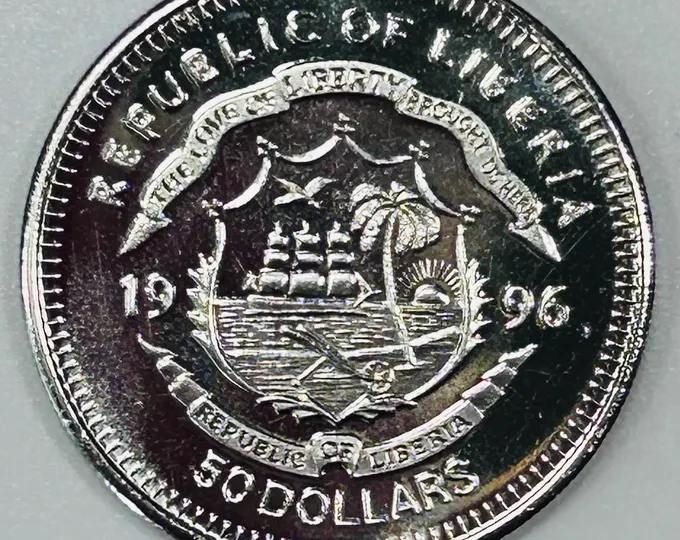
Liberian money exists in both coins and banknotes, though coins are almost irrelevant for daily life. Banknotes come in 5, 10, 20, 50, and 100 Liberian dollars, and they are what you will handle 99 percent of the time. Small notes are useful for markets, taxis, and everyday purchases, while larger notes are handy for hotels or any transaction involving foreigners.
Coins are technically in circulation in Liberia, but you will rarely see them. Prices often get rounded and small change is not expected. Old banknotes occasionally appear, featuring national leaders or local wildlife, giving a small glimpse into the history of Liberian currency. For travelers, getting used to the feel of Liberian money is part of learning how to live in the country.
Using Money in Liberia Daily
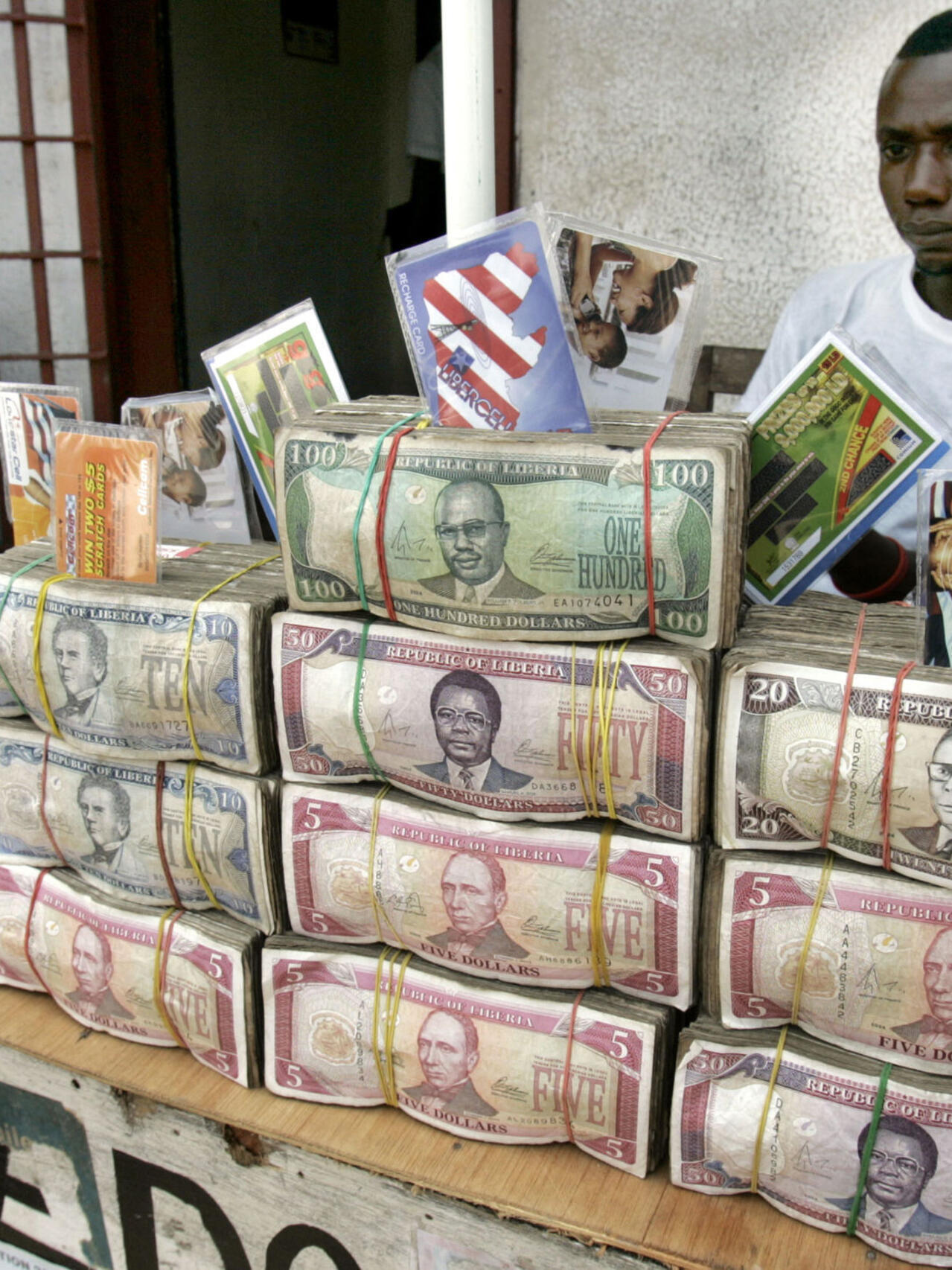
Cash is everything in Liberia. Street vendors, taxis, small shops, and even some restaurants will almost always expect you to pay in Liberian money or US dollars. ATMs exist, mainly in Monrovia and a few larger towns, but they are unreliable. Machines run out of cash, cards fail, and technical issues are common. You cannot rely on them.
Large bills can be awkward in markets or with small vendors, so carrying smaller denominations of Liberian money is crucial. Coins rarely make a difference, and vendors will often round up or down rather than fuss with change. Handling money in Liberia requires observation, patience, and a willingness to carry cash at all times.
Exchanging Money in Liberia
Exchanging foreign currency into Liberian money is fairly straightforward in cities like Monrovia. Banks and official exchange bureaus will handle euros, US dollars, and occasionally pounds. Rates are usually reasonable and consistent.
Outside of major towns, finding reliable exchange points becomes more difficult. Money in Liberia is still highly localized in rural areas, and informal exchanges do happen but carry risk. Sticking to official channels ensures you get legitimate Liberian currency without being shortchanged or handed counterfeit notes.
Using Credit Cards in Liberia
Credit cards are almost useless in Liberia. A few high-end hotels or international businesses may accept Visa or Mastercard, but even then it is unpredictable. Connections fail, machines break, and suddenly you are forced to deal with cash.
Anyone traveling in Liberia should accept that Liberian money and US dollars in cash will be your only reliable payment method. ATMs exist, but withdrawals are limited and fees add up. Relying on cards alone is impractical and will leave you frustrated very quickly.
Practical Tips for Travelers
Understanding money in Liberia is essential. Always carry a mix of small and large notes. Use small ones for markets, taxis, and street food. Keep larger notes for hotels, restaurants, or bigger purchases.
Exchange foreign currency at banks or official bureaus, avoid street dealers unless you are confident, and always have enough cash on you. Learning how Liberian money works will also make negotiating prices easier, because haggling is a part of life and prices are rarely fixed.
Its All About the Money
Money in Liberia is not just coins and notes, it is a reflection of how people live and survive. The dual system of Liberian money and US dollars creates a strange but functional economy. For travelers, understanding Liberian currency is essential, and handling cash is part of getting through daily life.
For locals, money is a practical tool, a survival mechanism, and a measure of independence. Watch how it is used and you quickly get a real sense of Liberia, beyond any guidebook or tourist brochure.
Click to see our Liberia Tours.
About Post Author