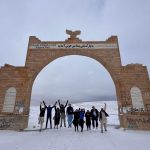
When people mention the Communist Party of China, most think of Mao Zedong, and some even believe that he founded it. In fact, Li Dazhao was one of its true founders. In Beijing, there is a former residence of Li Dazhao where you can learn about his life.
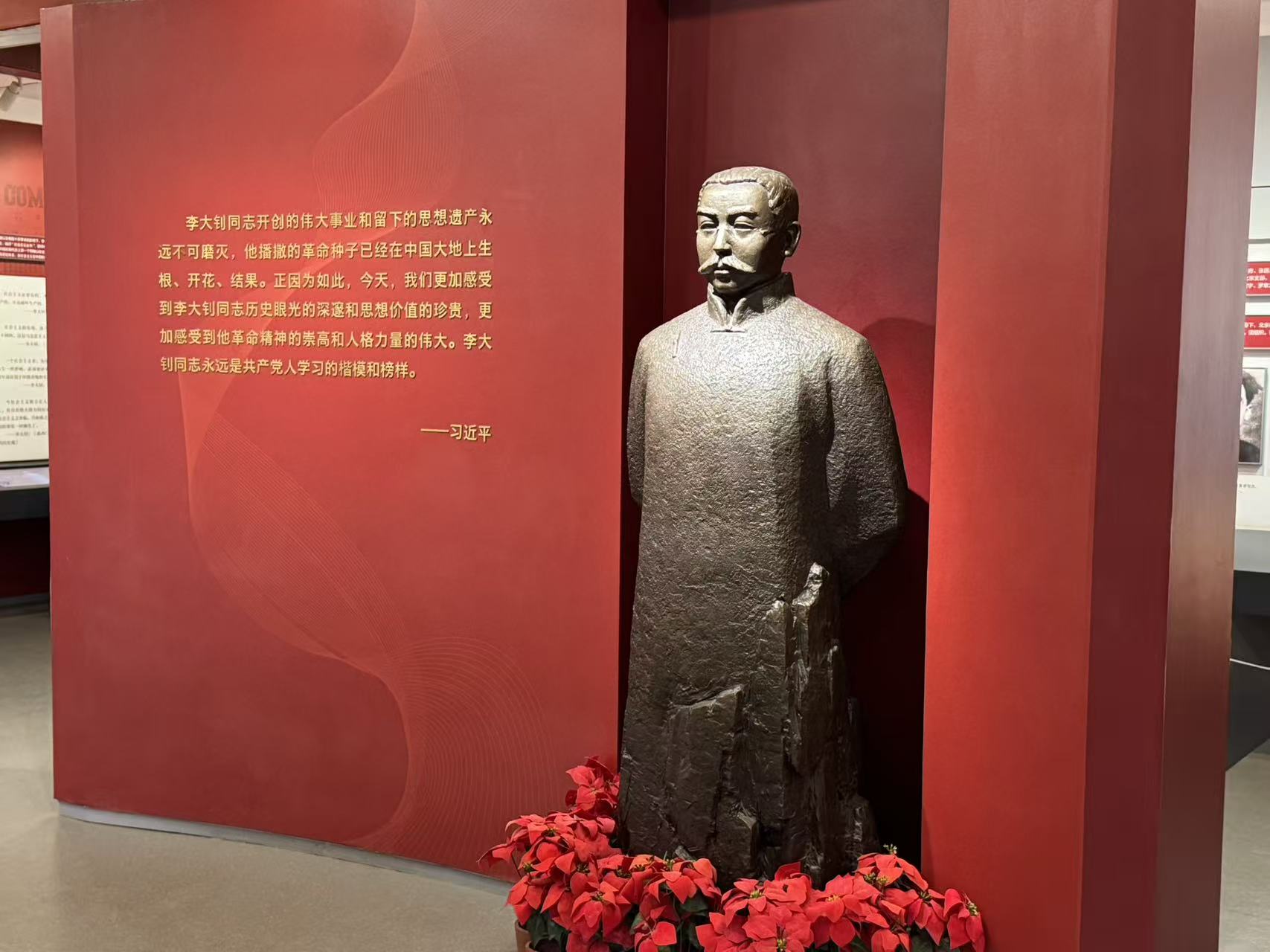
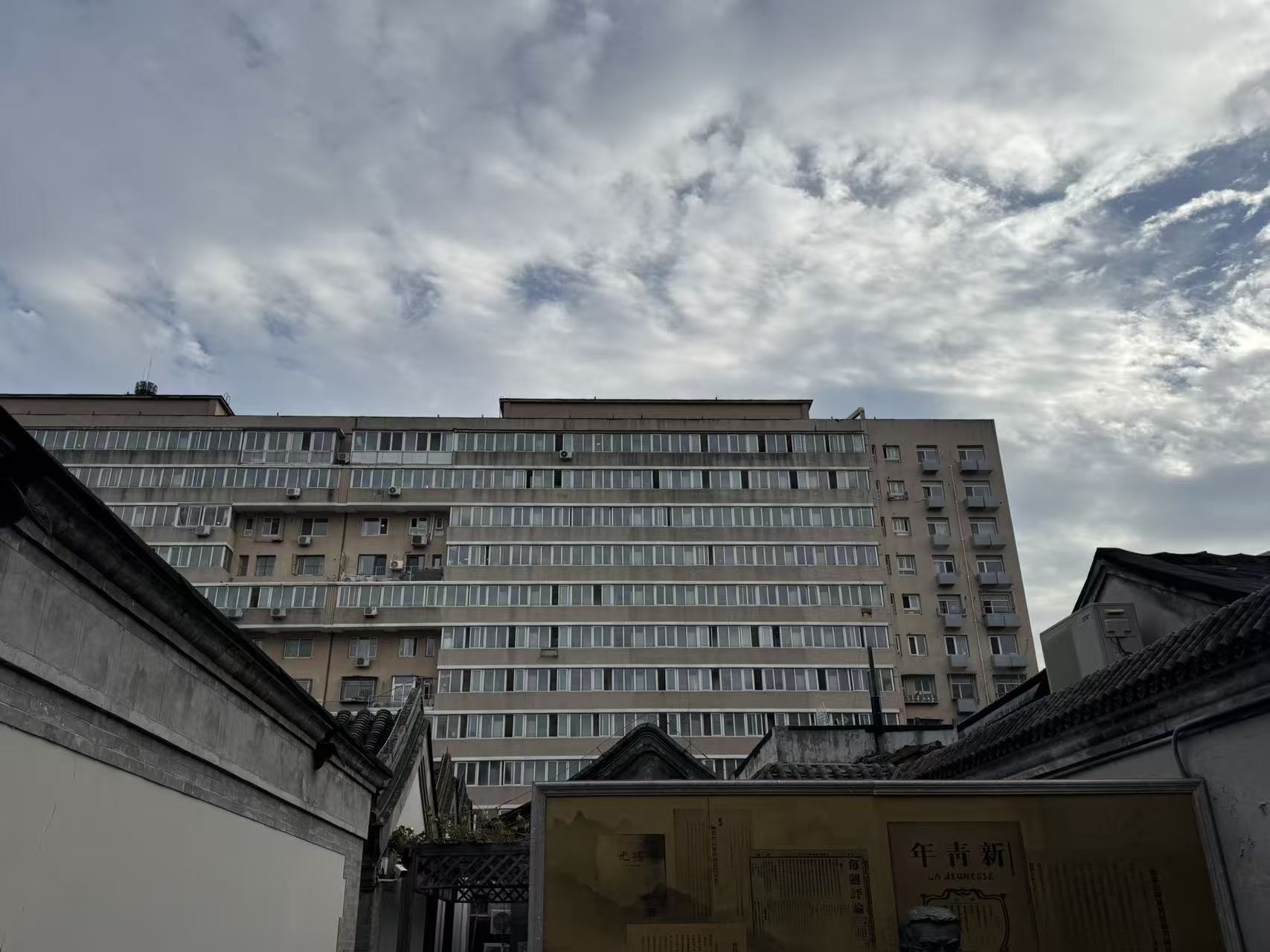
Table of Contents
Historical Background of the Former Residence of Li Dazhao
The Former Residence of Li Dazhao is located at 24 Wenhua Hutong in Xicheng District, Beijing.
Li Dazhao worked and lived in Beijing for nearly ten years from 1916 to 1927. During this time, he lived in eight different places. The residence in Wenhua Hutong was his home from the spring of 1920 to January 1924. It was also the place where he lived with his family for the longest time outside his hometown in Leting County.
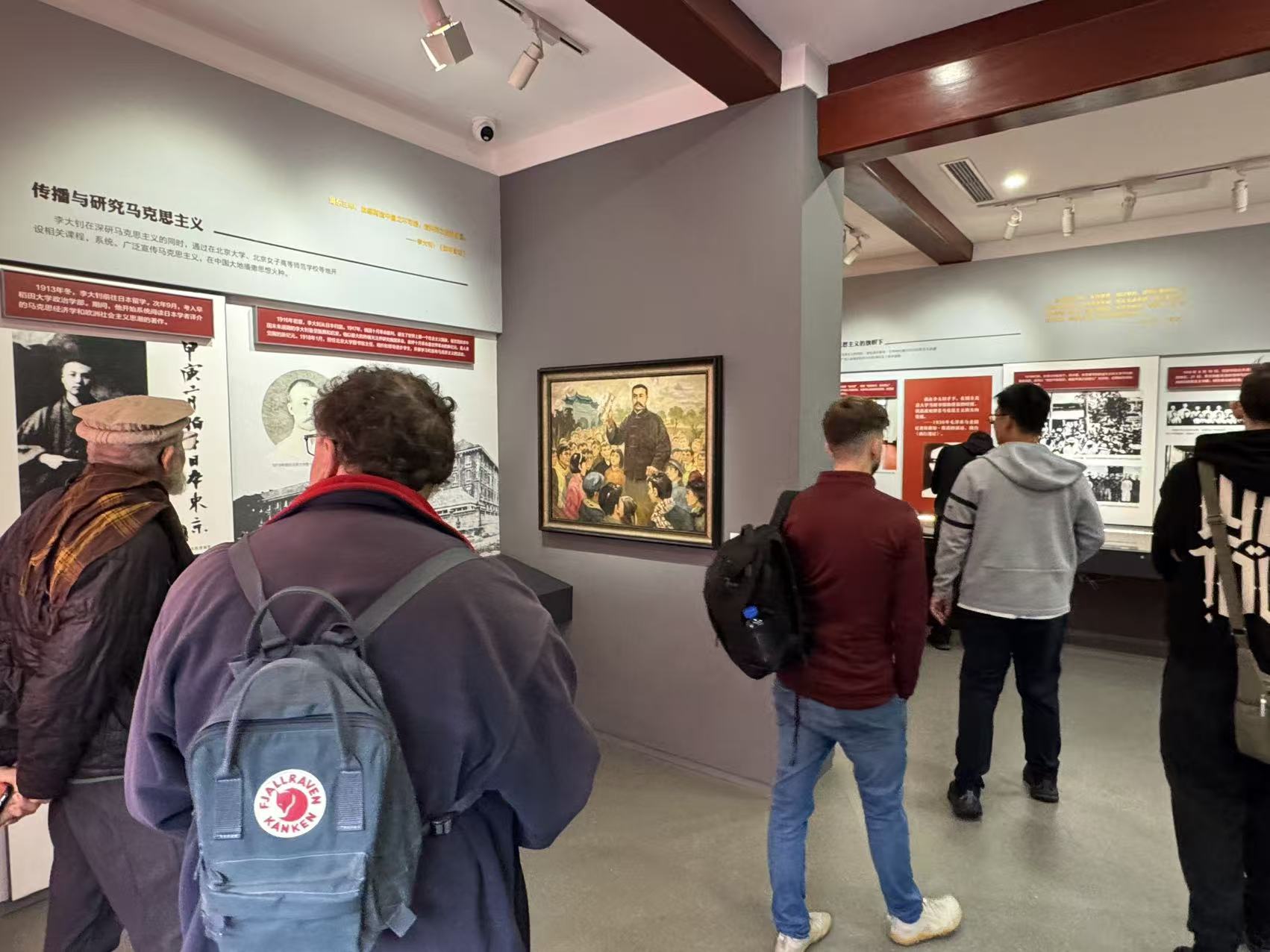
His years in Beijing marked the golden period of his career. He made lasting contributions to spreading Marxism, founding the Communist Party of China, leading the workers’ movement in northern China, and promoting the first cooperation between the Kuomintang and the Communist Party.
The residence was originally an ordinary house. After restoration, it was opened to the public on 28 April 2007, marking the 80th anniversary of Li Dazhao’s martyrdom. In 2013, it was listed as a Major Historical and Cultural Site Protected at the National Level. In 2019, it was named a National Patriotic Education Base. It is now an important site for red tourism and for passing on revolutionary spirit.
Layout of the Former Residence of Li Dazhao
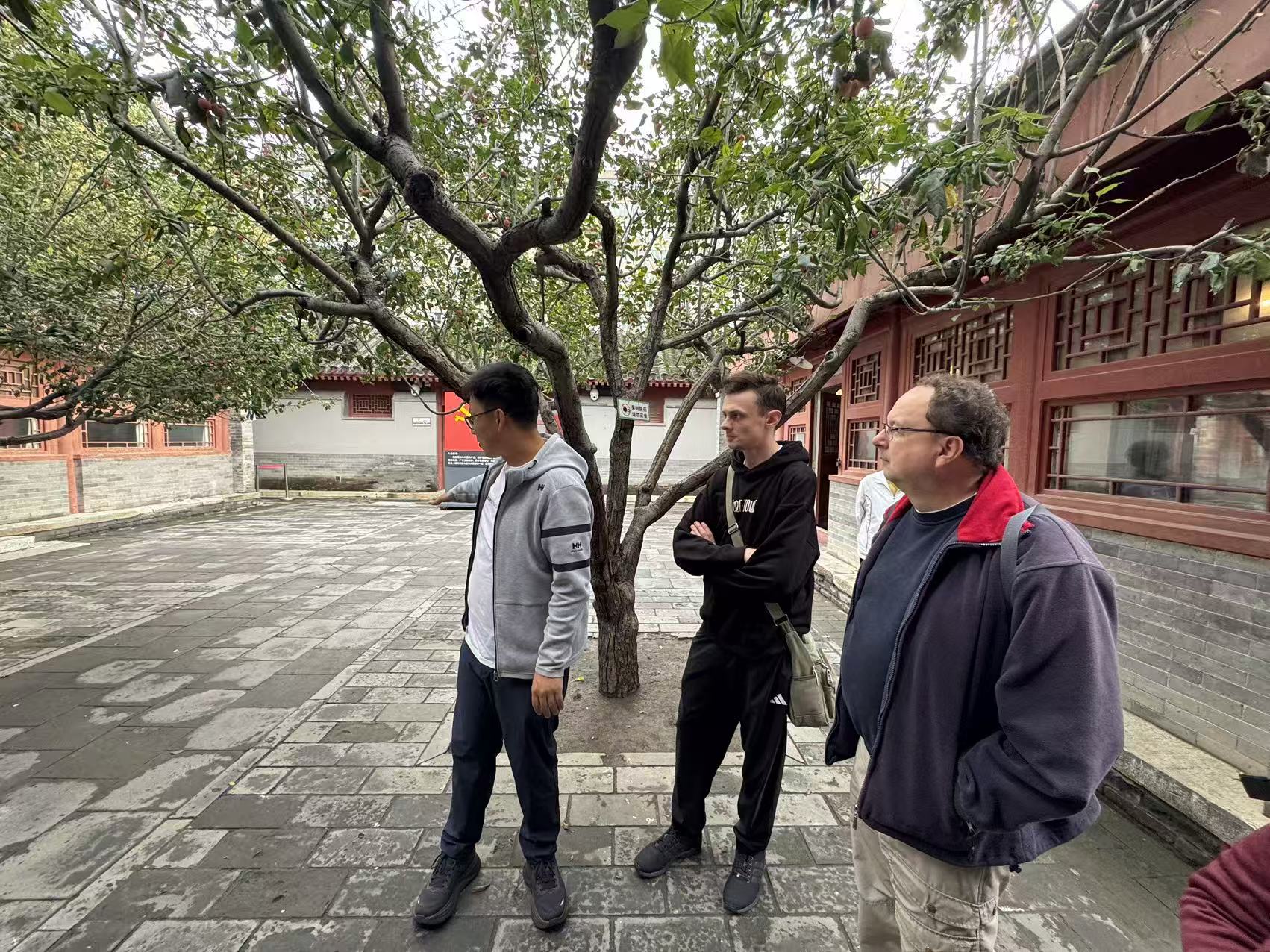
The Former Residence of Li Dazhao covers an area of about 550 square metres. It is a traditional courtyard house that faces south, with a simple and elegant style. The layout reflects the features of old Beijing residences. The whole courtyard includes three main rooms, two side rooms, and three wing rooms on both the east and west sides.
The main rooms in the north courtyard served as the living room and bedroom of Li Dazhao and his wife Zhao Renlan. In the living room, a pair of couplets written by Li Dazhao hangs on the wall. The furnishings are plain and practical, including traditional Chinese tables and chairs, an old clock, and a black telephone. The bedroom is even simpler, with a heated brick bed, a small wooden table, a sewing box, and an oil lamp. It shows the daily life of the couple.
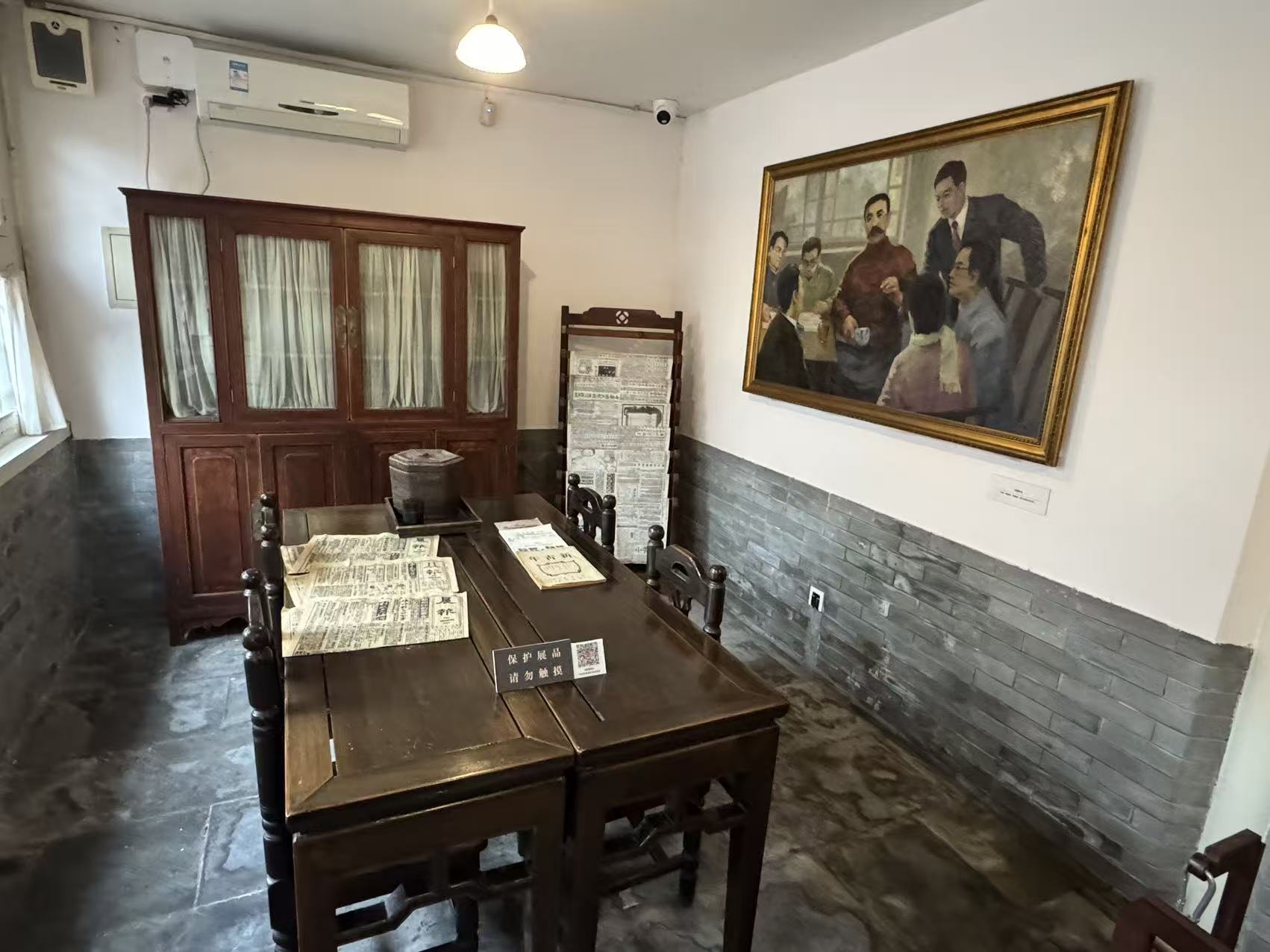
The west wing room was Li Dazhao’s study and reception room. It was also the main place for his revolutionary work during his stay. Inside the study, there are a desk, bookcases, and writing tools. On the desk lie books such as Lenin’s The State and Revolution, along with newspapers and magazines like Chenbao and New Youth. Here, Li Dazhao wrote many articles, chaired important meetings of the early Communist organisation in Beijing, and received revolutionary friends such as Chen Duxiu. In one corner stands an old black wooden organ. He bought it for his children to learn singing. It was also used during important meetings to prevent eavesdropping.
The east wing room was used as the bedroom for Li Dazhao’s children and as a guest room for relatives and friends. The side rooms on both sides served as bedrooms for his daughters. The furnishings in these rooms are also simple and practical. They reflect Li Dazhao’s belief in frugality. On the west side of the courtyard stands a bronze bust of Li Dazhao, which looks solemn and dignified.
Conclusion
The Former Residence of Li Dazhao shows his simple way of life and records his difficult revolutionary journey. It is an excellent place to learn about the early history of the Communist Party of China.
YPT’s China Revolutionary Red Base Tour will take you to the Former Residence of Li Dazhao, and will provide a full introduction to the history of the Chinese Revolution. It is also the only tour that offers a complete English language service in Yan’an region.
Click to read more about YPT‘s China Revolutionary Red Base Tour and our other China tours.
About Post Author