While much much lesser known than East Germany and West Germany, the former Third Reich was actually smashed into a whole heap of pieces. This included a third bit of Germany, the Saarland, or Saar Republic, that would eventually go back into the Federal Republic.
Why did it happen, how was it resolved, what was the small reunification, and can you still visit the Saar Republic?
Table of Contents
Background to the Saarland
The Saarland has always been a bit of a political football. Sitting on the border between Germany and France, it was coveted for its coal and industry. After the First World War, the Treaty of Versailles handed it over to the League of Nations for 15 years, essentially under French economic control while still German in population. Coal mines were controlled by France, and locals had to deal with a bizarre half-German, half-French situation.
When the Second World War ended, the Saarland was again occupied by France. Its people had to live with constant foreign oversight while Europe was trying to rebuild from the rubble. This back-and-forth set the stage for a very short-lived independent identity in the years immediately after the war.

Post-war history
After 1945, the Saarland became a protectorate under French control. It was not part of the newly created West Germany, though it was populated mostly by Germans. France integrated its economy with their own, using the French franc and controlling key industries like coal and steel. The people of Saarland lived in a semi-autonomous limbo.
Football clubs still played locally but under French rules, and political life was restricted. Tensions simmered between wanting to remain under French influence and the desire to rejoin Germany. This mix of French oversight and German identity defined daily life and created the conditions for the Saar Republic to briefly exist.
The Saar Republic
From 1947 to 1956, the Saarland existed as the Saar Republic, a quasi-independent state. It had its own constitution, a small government, and for football fans, a real national team. The Saarland national football team competed internationally, including 1954 World Cup qualifiers, facing Norway and West Germany. They also played Switzerland, Yugoslavia, the Netherlands, Portugal, France B, and Uruguay. This was real competitive football, not some local sides.
On the club level, 1. FC Saarbrücken entered the first European Champion Clubs’ Cup in 1955–56, famously beating AC Milan 4–3 in Italy before losing the return leg 4–1. The Saar under-18 team also competed in the UEFA European Under-18 Championship between 1953 and 1956. Football was the Saar Republic’s only true international sporting presence, leaving a weird but fascinating legacy where a tiny territory briefly held its own flag in European sport.

The small reunification
In 1955, a referendum was held. The people of Saar voted overwhelmingly to reject continued autonomy under French control and return to Germany. The reunification process was simple on paper but took months to sort out. Officially, the Saarland joined the Federal Republic of Germany on January 1st, 1957. French influence retreated, German marks replaced francs, and football clubs returned to the West German leagues.
Politically, it was a minor story, overshadowed by Cold War tensions elsewhere in Europe, but locally it was a huge deal. The Saar Republic vanished almost overnight, leaving a strange footnote in European history. Its brief existence remains a fascinating quirk in post-war Europe.
The Saarland today and what you can see
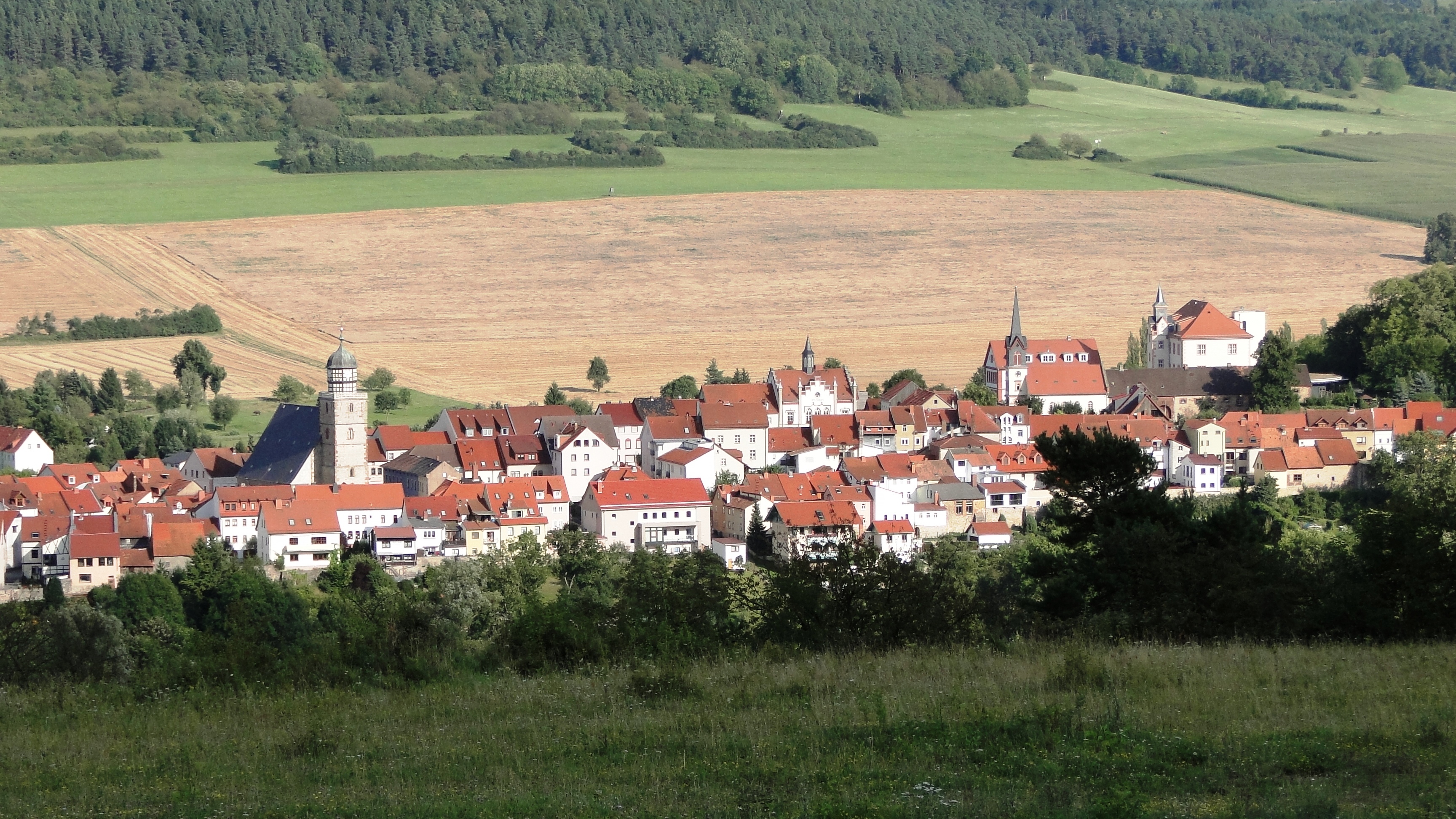
Today, the Saarland is a quiet, industrial region with a French flavour in food, architecture, and street signs. There are few visible reminders of the Saar Republic, though local museums and historical plaques mention the brief period of autonomy. The Saarland has castles, old coal mines, and riverfront towns that feel like Germany but with a French twist. Sports fans can see clubs that once competed under the Saar flag, and the border town of Saarbrücken shows traces of French administrative influence in building styles.
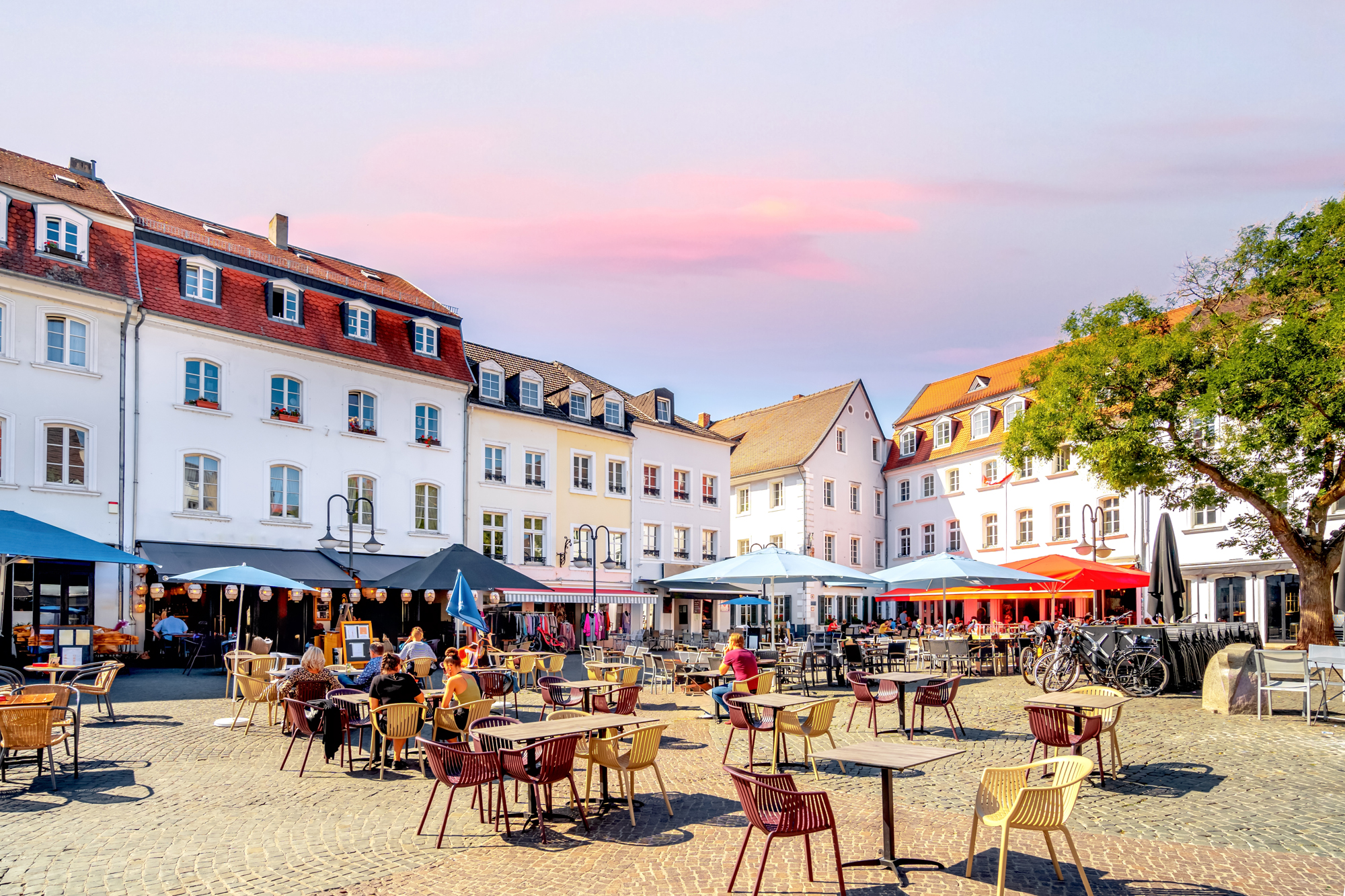
Walking the streets, you can imagine a time when this little corner of Europe had its own flag, anthem, and even competed on the world stage in football. Visiting the Saarland today is like stepping into a tiny historical footnote that still leaves its mark in everyday life, culture, and the odd football match story that gets locals talking.
Click to see our East Germany Tours.
About Post Author