Money in Myanmar is nothing like anywhere else. Cash rules everything, and it is not just for paying for meals or taxis. You need fresh US dollars to exchange into kyats. Dirty, folded, or torn bills will be rejected by banks, official changers, and hotels. Without these dollars, you cannot get local currency, and without local currency, you cannot survive outside high-end hotels.
The official currency is the kyat. Coins exist but are mostly irrelevant. Banknotes dominate daily life. Credit cards are rarely accepted and are effectively useless outside a few international hotels. Even in major cities like Yangon or Mandalay, most shops will not accept plastic pals.
Table of Contents
History of Burmese money
Myanmar’s monetary story begins before independence in 1948 when the country used the Indian rupee and then the Burmese rupee under British rule. In 1952, the kyat replaced the rupee. Banknotes and coins carried images of leaders and national symbols. Over decades, military rule, socialist policies, and economic isolation made money unreliable. Prices could double overnight, and banknotes sometimes lost value instantly.
During those decades, US dollars became critical. People kept dollars hidden for trade, bribes, or larger purchases that the kyat could not cover. Even today, travelers need fresh US dollars to exchange into kyats. Survival depends on it. Without crisp dollars, you are stuck.
Coins and banknotes in Myanmar
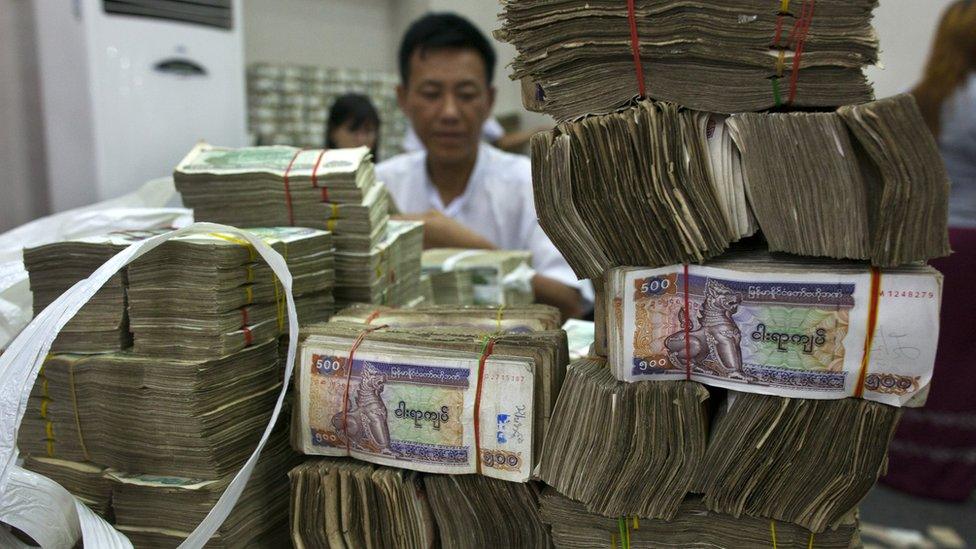
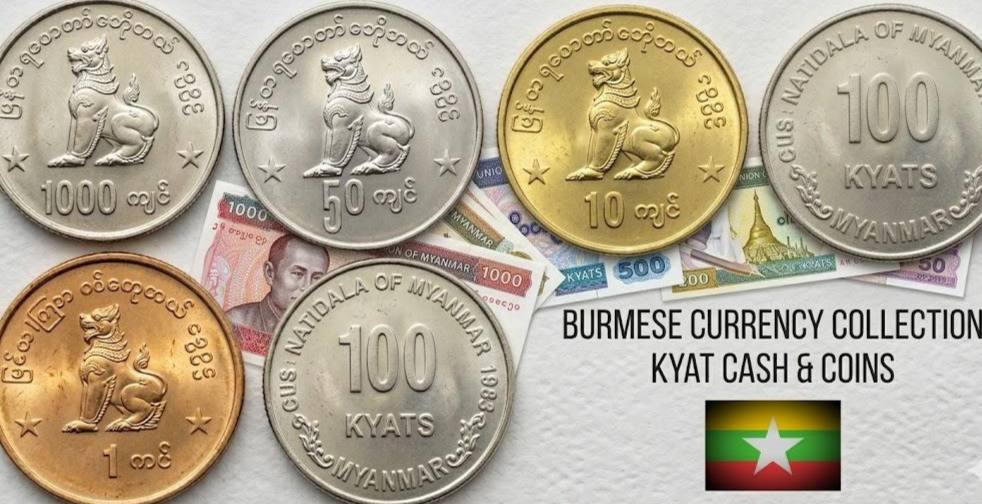
Coins technically exist, including 1, 5, 10, and 50 kyats, but nobody uses them for serious transactions. Banknotes dominate all daily life. Common bills include 50, 100, 200, 500, 1000, 5000, and 10,000 kyats. Higher denominations exist but are rarely used outside banks. Old or damaged notes are often rejected in shops. Collectors may value old bills, but for travelers and locals only current notes matter.
Banknotes are colorful but confusing. Bring the wrong denominations and vendors will refuse them or charge extra. Coins are mostly ignored. Travelers must carry the right Myanmar banknotes and enough US dollars to exchange.
Why crisp US dollars are critical
Crisp US dollars are not optional. Banks, official changers, and hotels will only exchange clean, untorn bills. Folded, dirty, or old dollars will be rejected immediately. Large denominations, especially 50 and 100 dollar bills, are preferred. Smaller bills are less useful.
This is not about paying for food or taxis. This is about getting local cash. Without crisp dollars, you cannot exchange for kyats, and without kyats, you cannot function in markets, taxis, ferries, or street food joints. Even locals understand this. Ignore at your peril!!!!
Using money in Myanmar
Cash is king! Markets, taxis, ferries, and street vendors operate entirely on Myanmar money. Credit cards are almost useless outside international hotels. ATMs exist but are unreliable, often empty, and impose low withdrawal limits. Large kyat bills can be difficult to use in markets because vendors rarely provide change. Coins are almost completely irrelevant. If you rely on credit cards or old US dollars, you will struggle. Myanmar is a brutally cash-driven country.
Exchanging money in Myanmar
Exchanging foreign currency is essential. Banks and official money changers in Yangon, Mandalay, and Naypyidaw accept US dollars or euros for kyats, but only if the bills are fresh and crisp. Outside major cities, options are minimal.
The kyat is not freely convertible internationally, so most foreigners must bring cash. Street exchangers may offer better rates, but counterfeit bills are common and the risks are high. Bring multiple crisp US dollars and plan your kyat needs carefully. Crisp notes in Myanmar being the main theme here.

Credit cards in Myanmar
Credit cards are mostly a joke. A few hotels may accept Visa or Mastercard, but most shops, restaurants, and taxi drivers will not know what to do with a card. ATMs are limited and unreliable. Travelers must rely almost entirely on Myanmar money and crisp US dollars. Forget trying to use a card for markets, buses, ferries, or street-level transactions.
And if the question is can you use Amex in Burma? The answer is very much a resounding no….
Practical survival tips in Myanmar
Carry small denominations of kyats for day-to-day expenses such as taxis, street food, and local ferries. Keep multiple crisp US dollars for exchanging into kyats or paying hotels and flights. Avoid street exchanges unless you are familiar with the risks and can identify counterfeit notes.
Learn the look and feel of current Myanmar banknotes. Markets, ferries, buses, and taxis all expect cash. Without kyats and crisp US dollars, you will pay double or be refused. Plan ahead. Coins are mostly useless. Credit cards barely work. Survival depends on cash in hand.
Conclusion
In conclusion, money in Myanmar is messy, brutal, and unavoidable. From colonial rupees to modern kyats, the story is one of survival, chaos, and adaptation. Banknotes dominate. Coins are irrelevant. Credit cards barely work.
Cash is paramount, but this is still only the case if you bring some fresh crispy banknotes, not old tattered USD that have been in your back pocket.
Click to check our Myanmar Tours.
About Post Author