Nepalese food is the reason you should travel to Nepal even if you hate trekking. From the crowded streets of Kathmandu to the small villages perched on Himalayan ridges, the food is everywhere, bold, practical, and deeply rooted in culture. Nepalese cuisine is simple in ingredients but complex in flavour.
It is hearty enough to fuel a long day walking mountain trails, spicy enough to make you sit up and pay attention, and utterly unique in its combination of herbs, grains, and local meats. Nepali food is not about presentation or style. It is about substance, tradition, and flavour that sticks with you long after you leave.
Table of Contents
Background to Nepalese Cuisine
Nepalese cuisine is shaped by geography, culture, and centuries of trade and migration. Nestled between India and Tibet, Nepal has absorbed influences from both while keeping its own identity. Rice and lentils form the foundation of most meals, with vegetables, herbs, and seasonal produce added depending on the region. Spices are used sparingly but effectively, giving dishes warmth and depth without overpowering the ingredients. Historically, the food was built for endurance.
Mountain villagers relied on barley, buckwheat, and yak meat. The plains brought rice, lentils, and subtler curries. Festivals introduced sweets like sel roti and yomari, while street foods like momos emerged from cultural exchange with Tibet. Nepalese cuisine reflects both daily life and ceremonial tradition, balancing practicality, flavour, and nutrition. Eating in Nepal is about community, sharing, and experiencing a country through its food, where every meal tells a story of place, history, and survival.
Popular dishes
Nepalese cuisine is vast, but certain dishes dominate every table and street corner. These are the dishes that define Nepali food and that you absolutely must try:
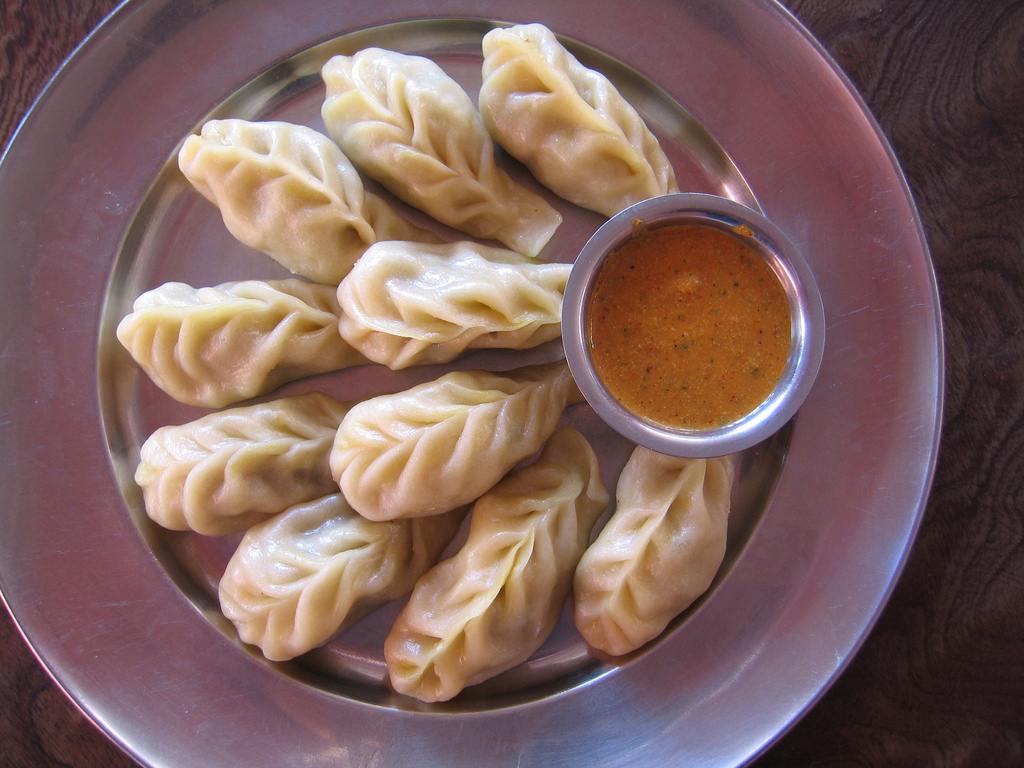
- Momos – Steamed or fried dumplings filled with buffalo, chicken, goat, or vegetables, served with a spicy tomato and chilli sauce. The most ubiquitous street food in Nepal, they are a full meal and endlessly satisfying.
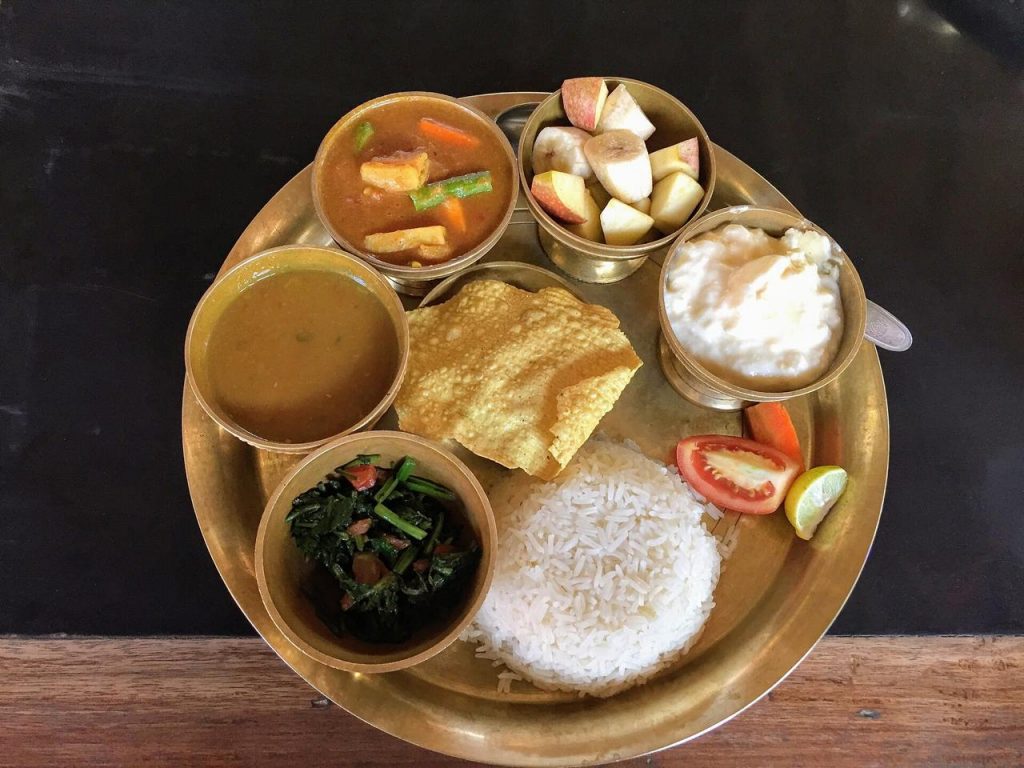
- Dal bhat – Rice and lentils served with seasonal vegetables, pickles, and sometimes meat. Dal bhat is the daily staple and comes in variations across regions, from mild and simple to aggressively spiced.
- Sekuwa – Charcoal-grilled skewers of marinated meat, usually buffalo, chicken, or goat. Smoky, tender, and eaten with onions, tomatoes, and chutney, they are a street food favourite.
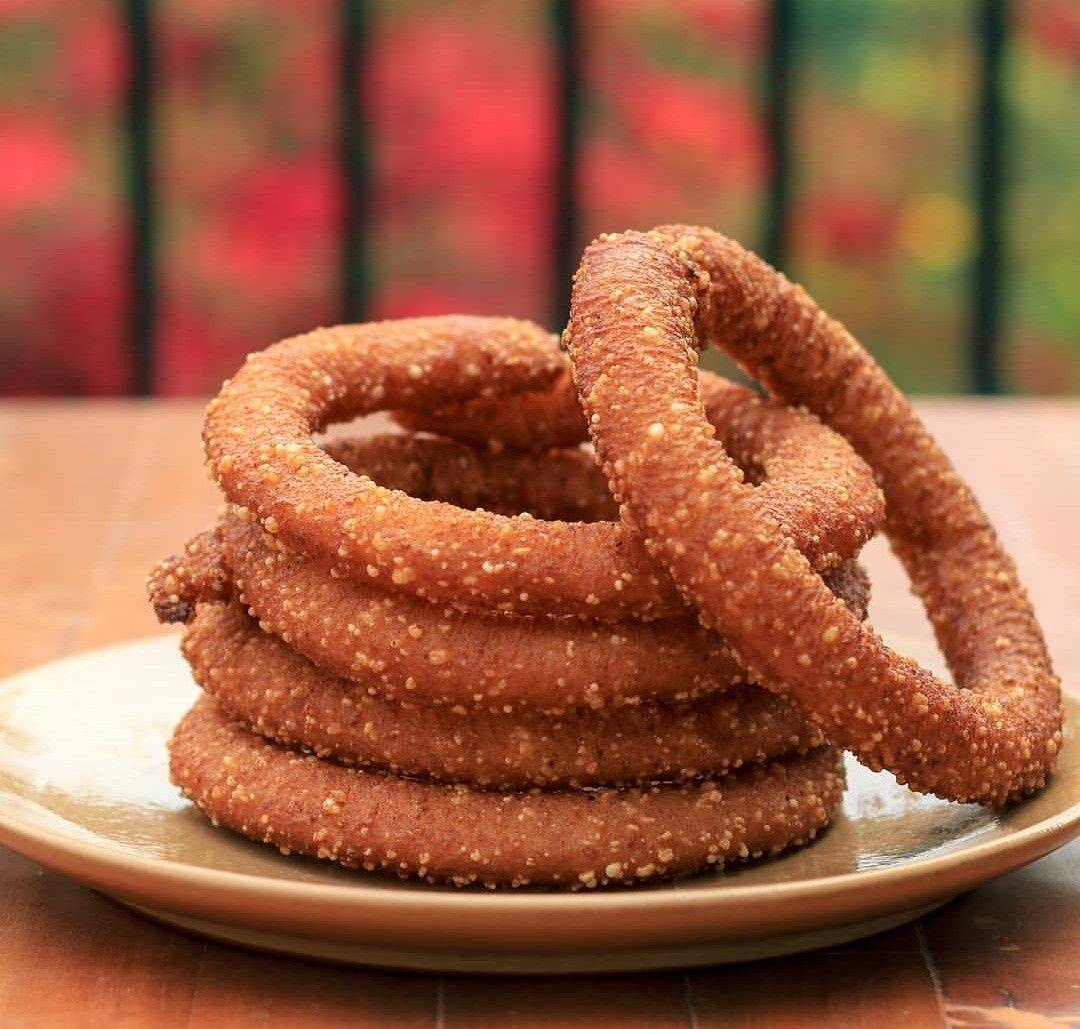
- Sel roti – Ring-shaped sweet fried rice dough, crispy on the outside and soft inside. Usually prepared for festivals but found in markets year-round, it is a beloved snack.
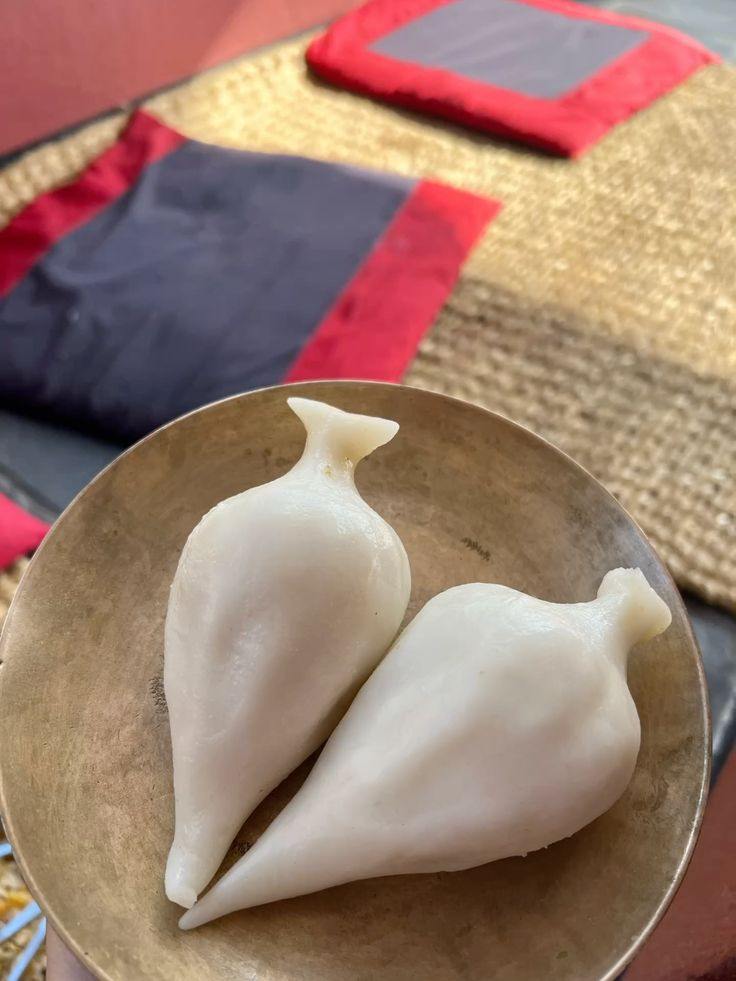
- Yomari – Steamed dumplings filled with molasses and sesame, traditionally made during festivals, offering a sweet contrast to the otherwise hearty Nepali cuisine.
These dishes showcase the diversity of Nepalese food and the way it balances daily sustenance with festive celebration. From the mountains to the plains, these dishes appear in homes, restaurants, and street stalls alike.
Street Food Nepal
Street Food Nepal is chaos, smoke, and noise all at once. Walking through Thamel, the air is thick with frying oil, garlic, chilli, and dust while vendors shout over each other, tossing steaming momos into bamboo baskets and balancing woks on tiny stoves. Momos are stuffed with buffalo, chicken, goat, or vegetables and fried or steamed, sauce slopping onto your hands before you can take a bite.
Sekuwa skewers sizzle over charcoal, smoky, salty, rubbed with garlic and ginger, eaten with raw onions and tomato chutney. Bara flips in pans while sel roti stacks vanish in seconds. Chiyaa boils in battered kettles, sugarcane juice drips sticky on the pavement, Tongba steams in wooden cups for trekkers in wool hats.
You spill sauce, burn your tongue, bump locals, inhale smoke, spice, oil, and dust, and realize this is exactly how Nepalese food is supposed to feel: messy, raw, loud, alive, and impossible to ignore. Defiantly up there with the greats of South Asia, and a good prelude to Gangtok.

Popular drinks
No guide to Nepali food is complete without mentioning drinks. Locals enjoy a combination of traditional and modern beverages that accompany meals or warm you up in the cold hills. Some must-try drinks include:
- Tongba – A hot millet-based drink served in a wooden cup. Boiling water is poured over fermented millet and sipped through a bamboo straw. It is warming, communal, and a staple in the Himalayas.
- Raksi – Strong distilled rice or millet liquor, often homemade, commonly consumed in villages and rural areas. It is potent and traditional.
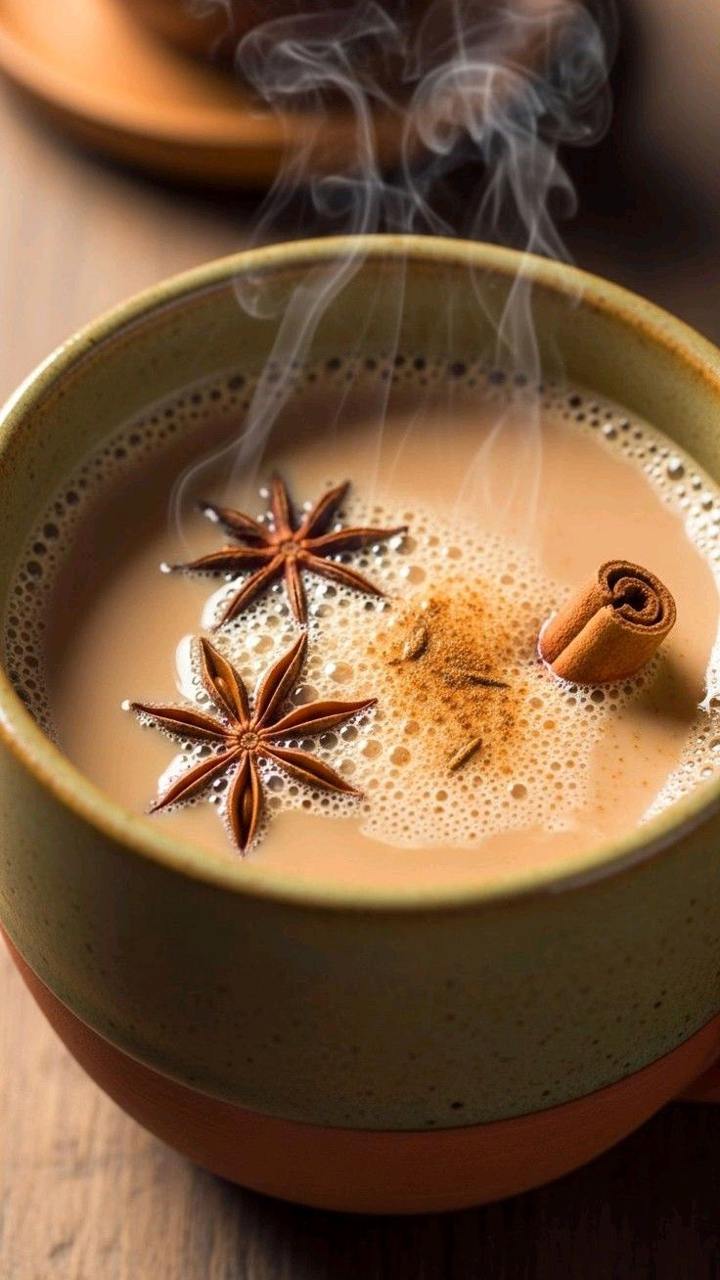
- Chiya – Nepali tea, usually boiled with milk, sugar, and spices. Found everywhere, it is the default morning beverage and street drink alike.
- Lassi – A yoghurt-based drink, sometimes sweet or salty, perfect with spicy snacks or to cool the mouth after chili-laden dishes.
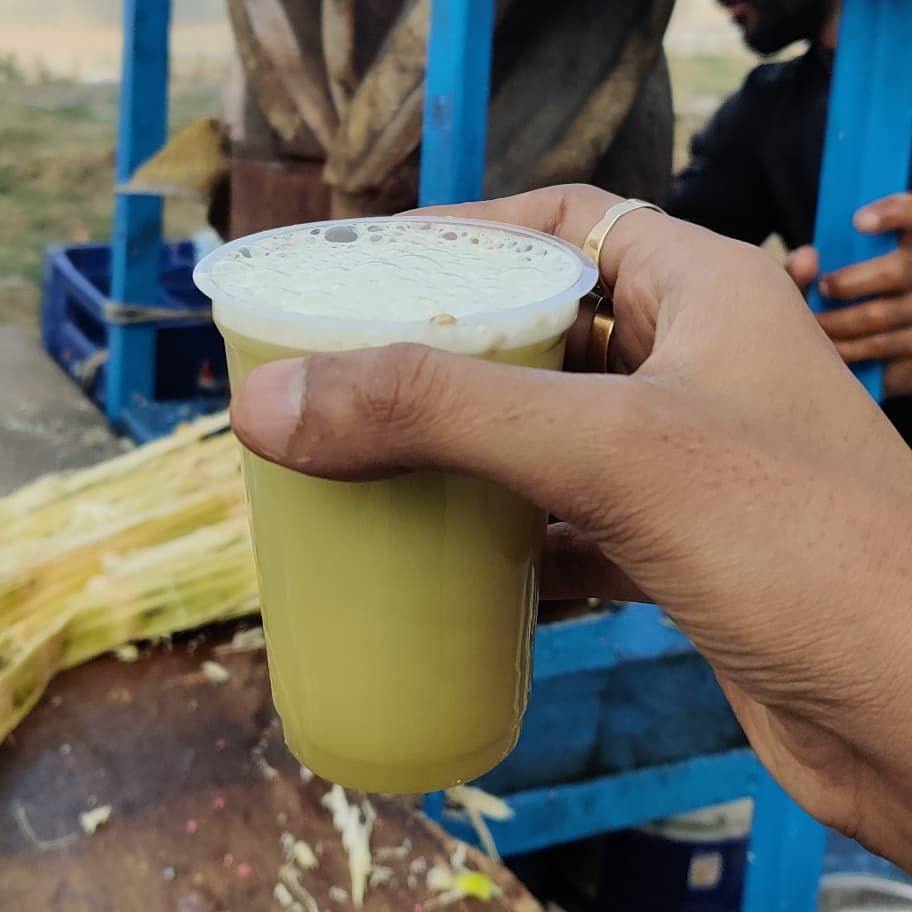
- Sugarcane juice – Freshly pressed in markets and streets, slightly sweet, refreshing, and an excellent way to hydrate during long walks through Kathmandu or Pokhara.
Drinks in Nepal are as much about practicality as they are about flavour. They accompany meals, fuel journeys, or serve as social rituals in markets and homes.
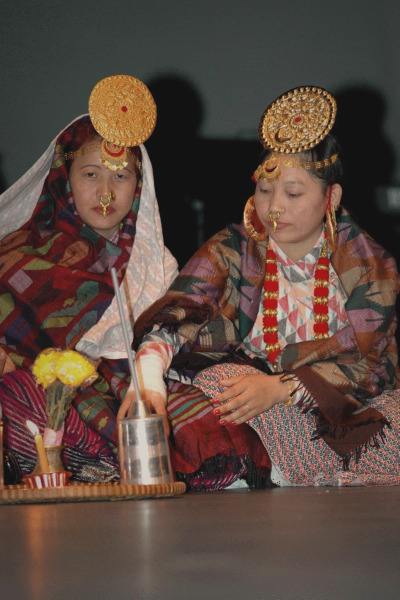
Limbu women with traditional drink Tongba
Eating like a local
Nepali food is messy, communal, and grounded. Meals are eaten sitting on low benches, sometimes on the floor. Food is shared. You eat with your hands, sip your drink, and join in conversation with locals. Street stalls and markets are loud, vibrant, and chaotic. You eat fast, you eat hot, and you eat with attention. The food is honest. It is about nourishment and pleasure, not decoration.
Nepalese cuisine also changes with geography. The Terai plains favour spiced curries and fried snacks. Hill regions favour root vegetables, lentils, and grains like buckwheat. The Himalayas bring barley, yak, and hearty soups. Despite regional differences, there is a consistency in how Nepali food balances flavour, nutrition, and simplicity.

Conclusion on Nepalese food
So, while Nepali food does not have the range of say Indian food, its proximity to both India, and China, as well as its own unique nuances are why Nepalese cuisine gets exported to much of the globe.
You will as we often say not only not go hungry in Nepal, but actually might get some top notch meals that truly make you a fan of the genre.
Click here see our Nepal and Sikkim Tours.
About Post Author