How do you get and use a JR pass, is it worth it and does it actually save you money? Well the good news is that getting and using it is now a lot easier than it used to be. The savings on the other hand, which can be massive, will depend on just how much you use the pass and how much of a budget you are on.
Generally speaking though, and if you plan well and book your tickets in advance, using the JR Pass can be an absolute life saver when you visit Japan. Here’s the YPT guide to getting the most out of your train pass in Japan.
Table of Contents
What the JR Pass?
The Japan Rail Pass is a single ticket that allows unlimited travel on most JR trains across the country. Introduced in the 1980s to encourage tourism, it was originally only available through travel agents outside Japan. Over the years it has evolved and now covers everything from local commuter trains to Shinkansen bullet trains (excluding the fastest Nozomi and Mizuho services). It’s issued in paper form and activated for consecutive days once you arrive in Japan, making it easy to use for multiple city hops without having to buy separate tickets each time. The pass is widely recognized by JR staff and is valid on ferries operated by JR as well as selected buses.
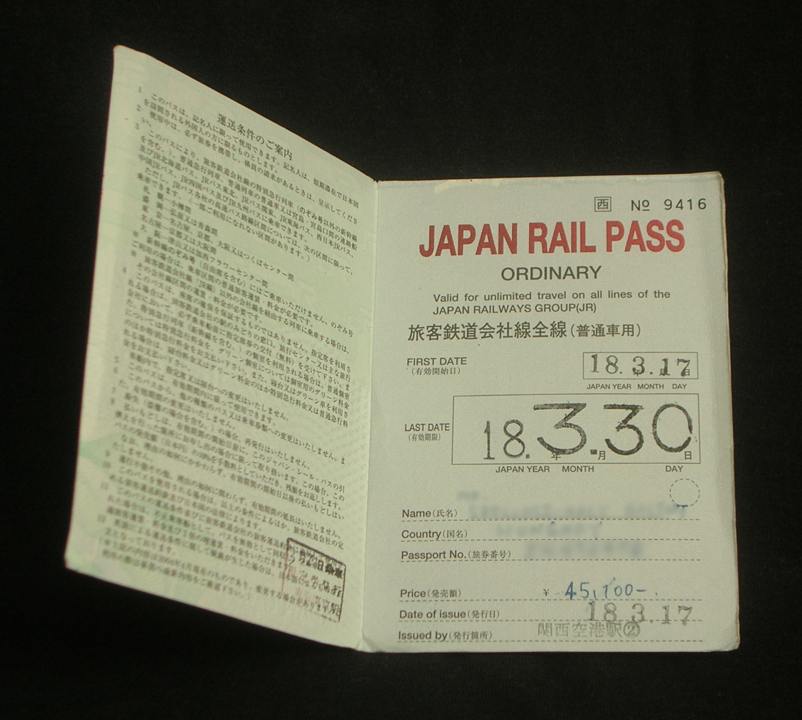
How much does a JR pass cost?
The JR pass comes in fixed durations, namely 7, 14, 21, and 28 days, with the price changing accordingly. Within this there is the regular JR Pass and the “Green” one which is kinda like a VIP version. Generally speaking you do not need this.
- Ordinary Pass
7 days – ¥50,000 (~$345)
14 days – ¥81,000 (~$558)
21 days – ¥105,000 (~$724) - Green Pass
7 days – ¥70,000 (~$480)
14 days – ¥113,000 (~$777)
21 days – ¥146,000 (~$1,005)
And while these prices may seem high, it is worth noting a few points. Single tickets are bloody expensive (we will get to that later) and the Yen is actually very weak right now. This means that now really is the time to visit Japan.

How to buy the JR Pass
The JR Pass has to be purchased prior to you arriving in Japan, or quite simply you are not eligible for it. In the old days you then had to have the pass physically posted to your foreign address. Thankfully now you can buy it and then pick it up at any JR Office in places such as Tokyo, Shinjuku, or Narita Airport.
You can get them from the following sites:
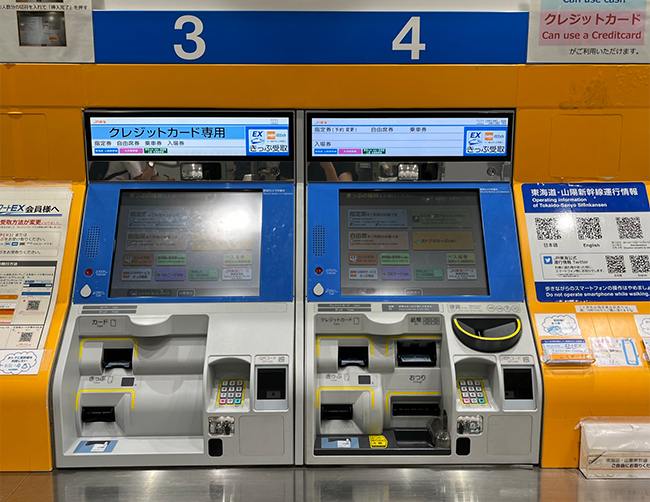
How does the JR Pass work and do you need to reserve tickets?
Basically the JR Pass is your ticket, which means you can get on any JR train, which includes high-speed, rapid, and local lines (more on that later). You are though restricted to unreserved cabins, usually cars 1 through 3. For the most part this works out, but on busy trains not so much so.
Therefore, and much like myself, you can map out your journey beforehand and reserve seats for your week of trains. This ensures you can sit together in some modicum of comfort, as well as guaranteeing your passage.
Click to read about what it is like to ride a Japanese Train.
Which trains can I use with the JR Pass?
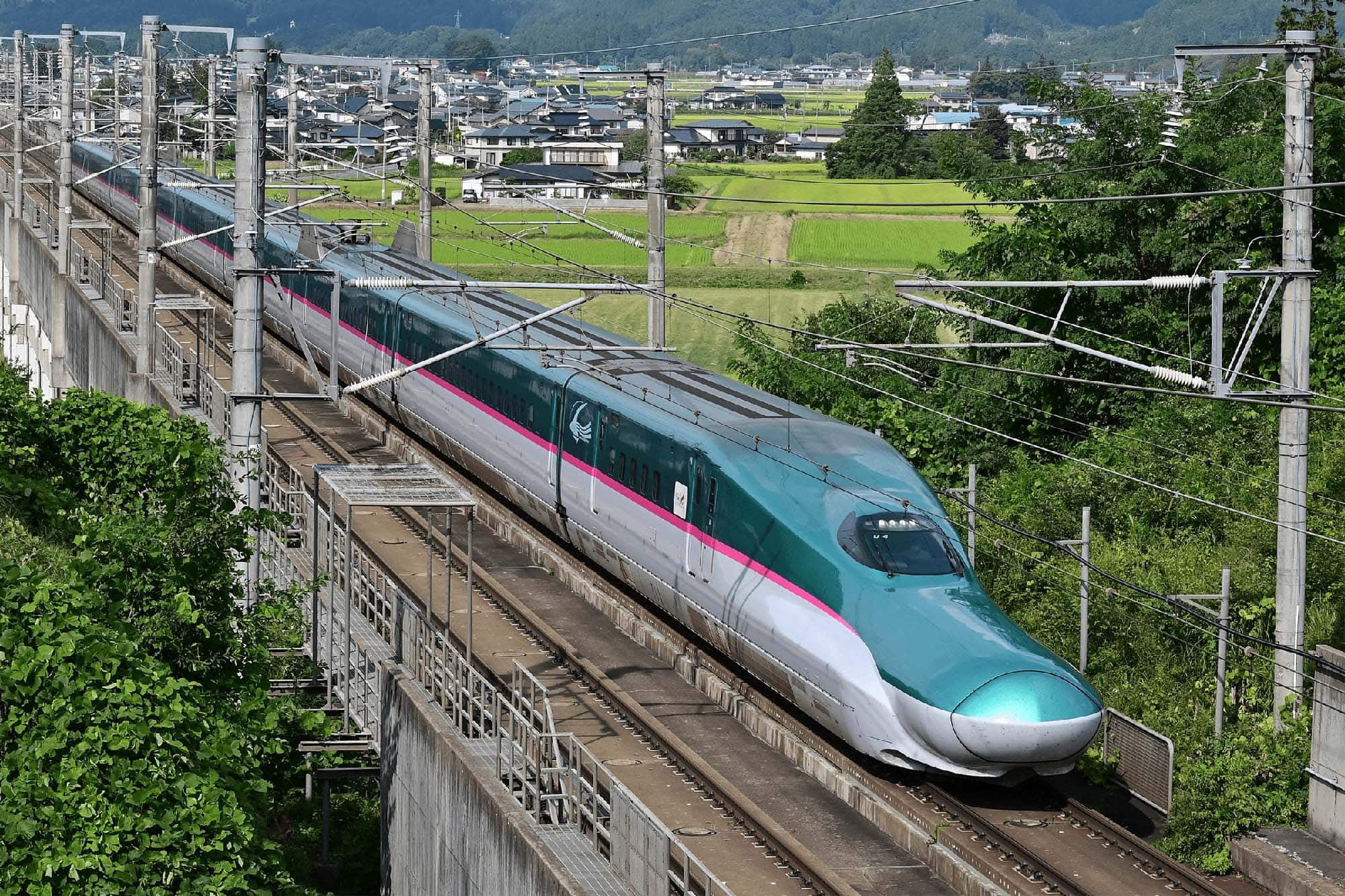
You can use almost all JR trains with the pass. This includes the Shinkansen (except Nozomi and Mizuho), limited express trains, local rapid trains, and even some JR-operated ferries. You can hop on the slower Kodama trains along the bullet line, or stick to local lines in cities and rural areas. You cannot use private railways, metro/subway lines in cities like Tokyo, Osaka, or Kyoto unless specifically run by JR.
The pass is also valid on some JR buses in rural areas and on the scenic JR ferry to Miyajima. Knowing which trains are covered can save a lot of confusion and unnecessary ticket buying when you are rushing between cities. And yes it may look complicated, but honestly it is not all that bad.
Does the JR Pass actually save money?
OK, so I did the following journey over the course of a week:
- February 18th – Tokyo to Echigo Yuzawa
- February 19th – Yuzawa to Osaka
- February 20th – No train
- February 21st – Osaka to Hiroshima to Rabbit Island
- February 22nd – Hiroshima to Omuta
- February 23rd – Omuta to Tokyo to Narita
Had regular tickets been purchased for this it would have come to ¥83,190, or about $573. The one week pass costs ¥50,000 or $345. Therefore a saving of over $200, something compounded by the fact we were traveling as a group. Yet this worked out great for me as I was hammering the trains. If I had stayed longer in cities it might not have saved anything at all.
If though you are serious about seeing Japan and have the stamina to change cities every few days then the JR Pass is simply unbeatable.
YPT can arrange train tours throughout Japan.
About Post Author