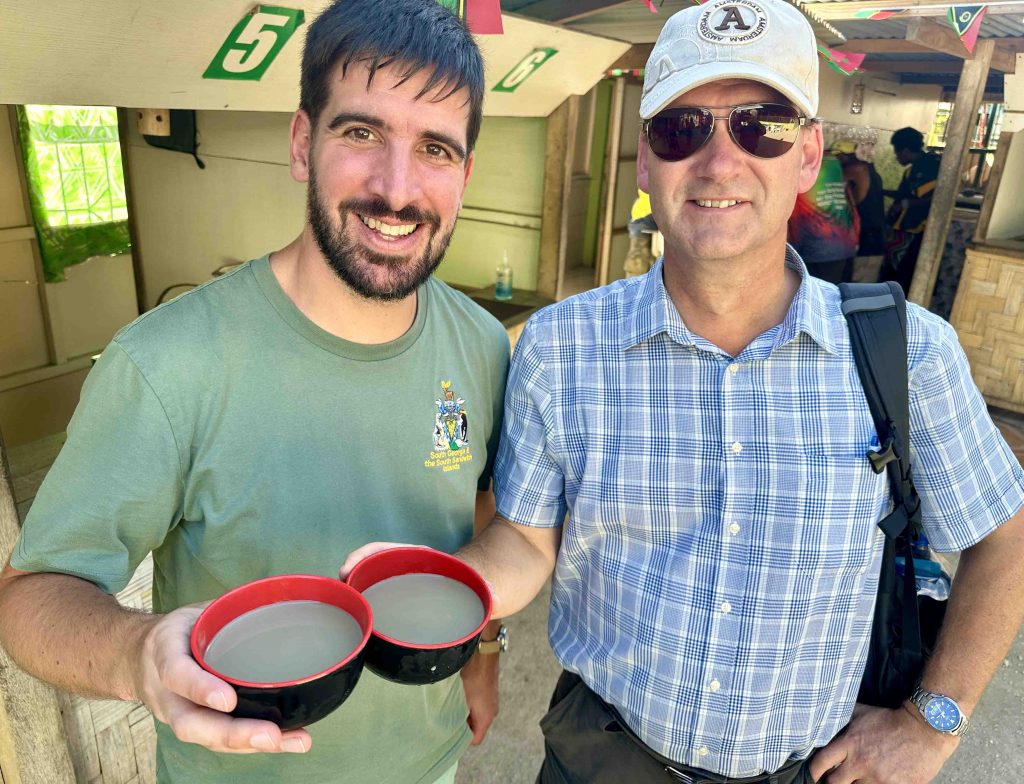
After more than a decade of leading tours across the South Pacific, there’s one question that comes up on every single trip: which country has the best kava, and how do you find it? If you have only ever tried kava in Fiji, or in a bar outside the region where it arrives as anonymous “kava powder,” you have tasted a version of the story, not the whole thing.
For our money, the best kava in the South Pacific is not from Fiji, not from Tonga, not from Samoa. It is from Vanuatu. And the reason is not just strength of Vanuatu Kava. It is the culture around it, the potency of what you are being served, and the way Vanuatu treats kava as both everyday social glue and living custom, not a tourist performance. And a proper kava session is always on YPT’s Vanuatu itineraries.
Kava itself comes from the root of Piper methysticum, a plant domesticated in the Pacific and traditionally prepared by grinding or pounding root, mixing with water, and straining into a communal bowl. In Vanuatu, fresh root is common, which helps explain why Vanuatu kava is often described as more intense and “alive” compared with preparations that lean on dried root.
Nakamals, the real kava bars
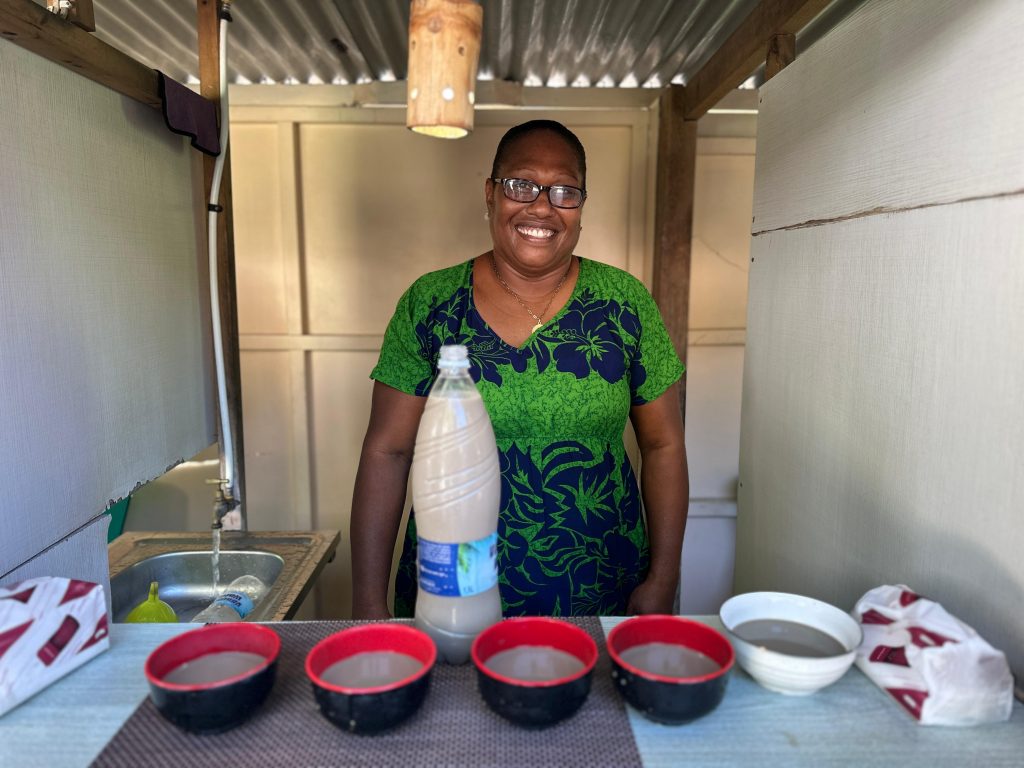
In Vanuatu you do not “go out for kava” the way you might go out for cocktails. You go to a nakamal.
A nakamal is, at heart, a community meeting place that doubles as a kava drinking space. In towns like Port Vila there are many urban nakamals, ranging from backyard setups to larger spots that feel like a nightly ritual for the whole neighborhood, and even the famous Chief’s Nakamal situated right across from parliament.
The vibe surprises first timers. It is often dim, quiet, and intentionally low key. You show up, pay, and get served a coconut shell or small bowl. People sit, talk softly, decompress, and let the day fall off them. Vanuatu’s own tourism guidance puts it plainly: respect the calm, these are places people use to unwind.
If Fiji is the place where kava often gets framed as ceremony and protocol, Vanuatu is where it gets framed as part of daily life. Fiji’s yaqona ceremonies can be formal and symbolic, with a communal bowl and structured etiquette.
Vanuatu has ceremony too, but the everyday nakamal culture is about community, routine, and presence.
Washemout, the smartest tradition in the room
Let’s be honest. Kava tastes like damp earth after a rainstorm, strained through a root and that’s the generous description.
Vanuatu’s best answer to that is “washemout.”
Washemout literally means washing out the taste of kava, and it is part palate cleanser, part snack culture, part social punctuation mark. Some nakamals have a washemout station, others have vendors nearby selling fruit, sweets, noodles, or savory bites designed to reset your mouth after a shell.
It sounds small, but it is one of those details that reveals a lot about place. In Vanuatu, kava is not dressed up to impress you. It is taken seriously, served straight, and then balanced with practical little customs that make the experience better.
What makes Vanuatu kava feel different
A big part of the Vanuatu reputation comes down to cultivar and quality norms.
Kava is not one uniform thing. Cultivars are commonly discussed as “noble” varieties, which are generally preferred for regular consumption, versus so called “tudei” types, which can have effects that linger uncomfortably long.
Vanuatu is frequently associated with named cultivars that kava drinkers seek out, like Borogu and Melomelo. And Vanuatu has moved toward regulating the quality of its export kava, including restricting non noble varieties for export and consumption, which helps explain why Vanuatu kava has a reputation for being more consistent when you buy it abroad.
That said, the best argument is not a standards document. It is the lived experience: you sit in a nakamal, watch it prepared, drink it fresh, and you understand why people swear by it.
Nakamal etiquette, do not overthink it

You don’t need to learn any formal rules, but a bit of common sense goes a long way.
Show up relaxed. Most nakamals are quiet places where people come to unwind after the day.
Drink it straight, give it a minute, and let it do its thing. The taste gets chased with washemout, not big reactions.
Avoid mixing kava with alcohol. If you’re doing a kava night, let it be a kava night.
And mostly, just pay attention. These are places locals actually use, not a performance. Respect the space and you’ll be fine.
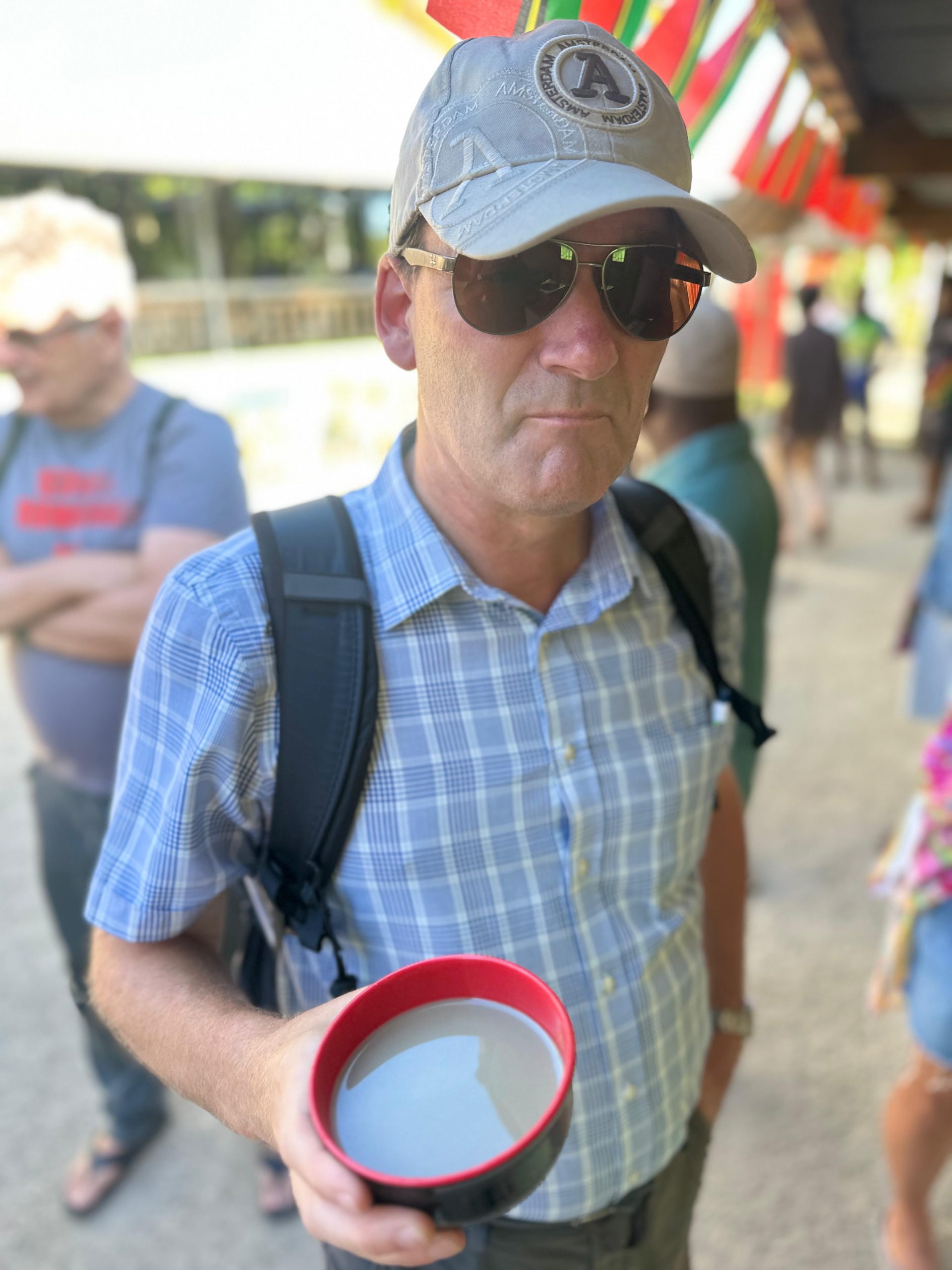
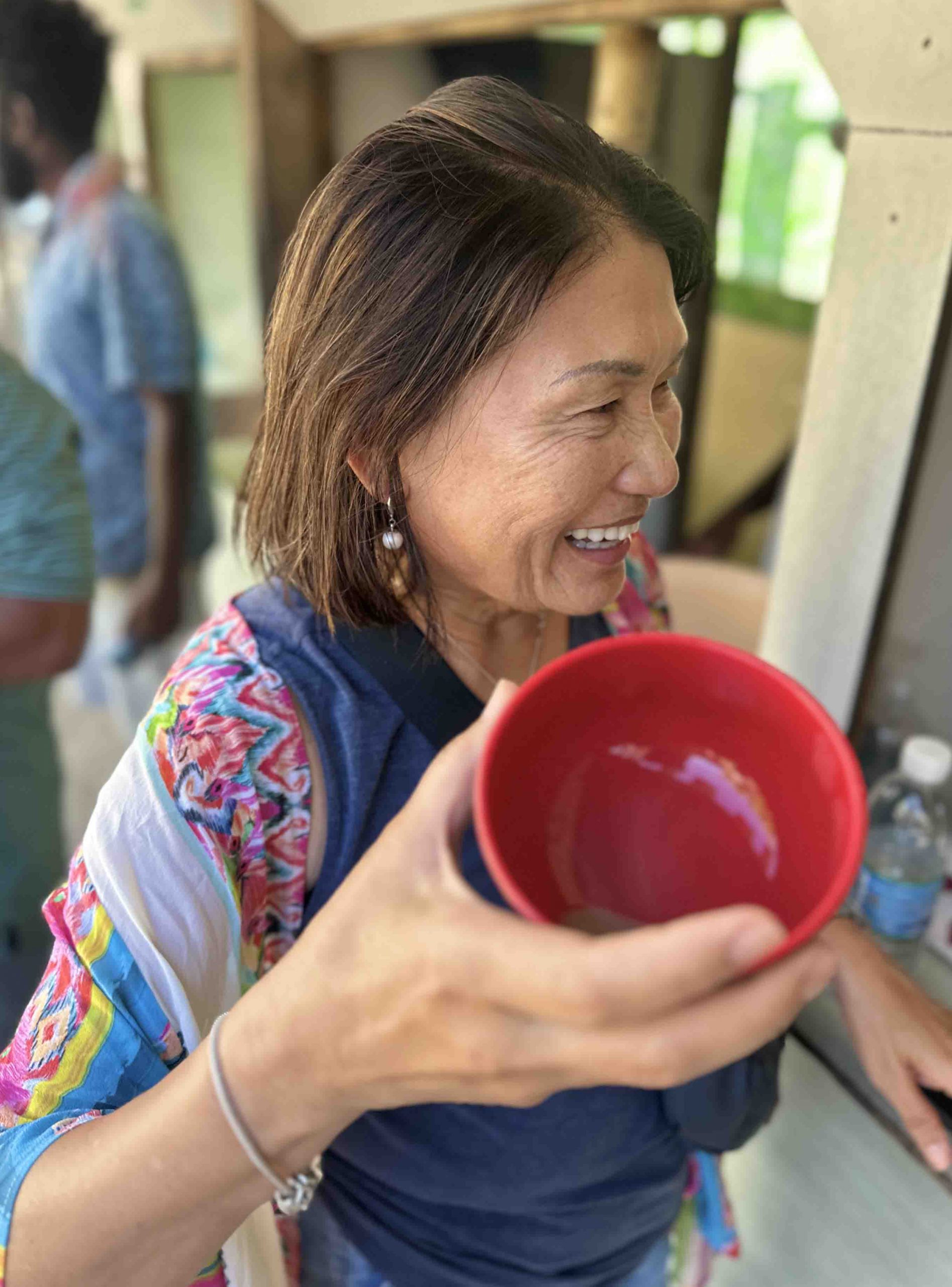
Try it properly, then compare it across the Pacific
If you want to try Vanuatu kava the right way, then keep going and sample other kava cultures across the region, Young Pioneer Tours has a ready made route.
YPT’s Least Visited Countries Combo Tour is built to hit all 11 UN recognized South Pacific island countries in one swing, in roughly under a month, with group departures runing four times a year, and solo trips also arrangeable.
Vanuatu is, unsurprisingly, one of the standout stops for kava, and YPT even offers a practical guide to drinking it at a nakamal, including the role of washemout. That said, kava is available to sample in every country featured on the tour, and each place puts its own spin on the experience. In Nauru, for example, the most popular kava spot doubles as a karaoke bar, a far cry from the quiet, laid back nakamals of Vanuatu.
On a trip like this, we don’t just sample kava at a posh Fijian restaurant; YPT ensures that travelers see what it means when it is tied to community identity, custom, and everyday life. And then, when you land somewhere else in the Pacific and encounter a different style of session, you will actually notice the differences.
Final pitch, go where the best version of the thing lives
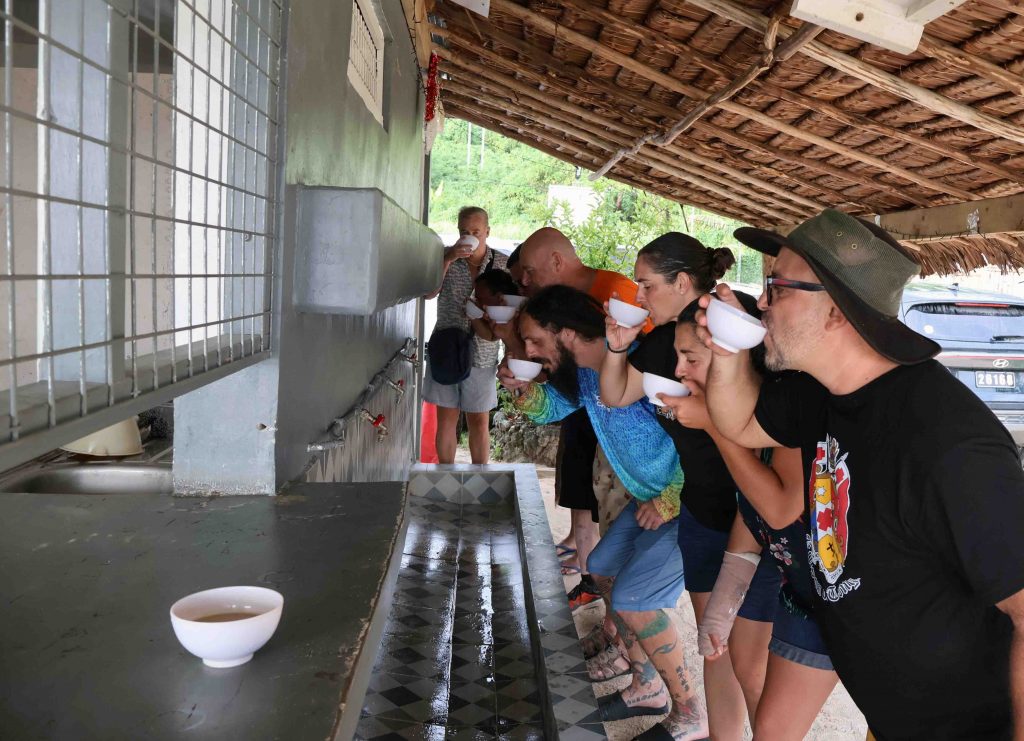
There is a reason Vanuatu kava has become the benchmark for so many serious drinkers. It is the combination of fresh preparation, strong local culture, and a real world infrastructure of nakamals that exist for locals first.
So yes, you can drink kava in Fiji and have a perfectly good time. But if you want the version that isn’t dressed up, packaged, or softened for outsiders, you go to Vanuatu.
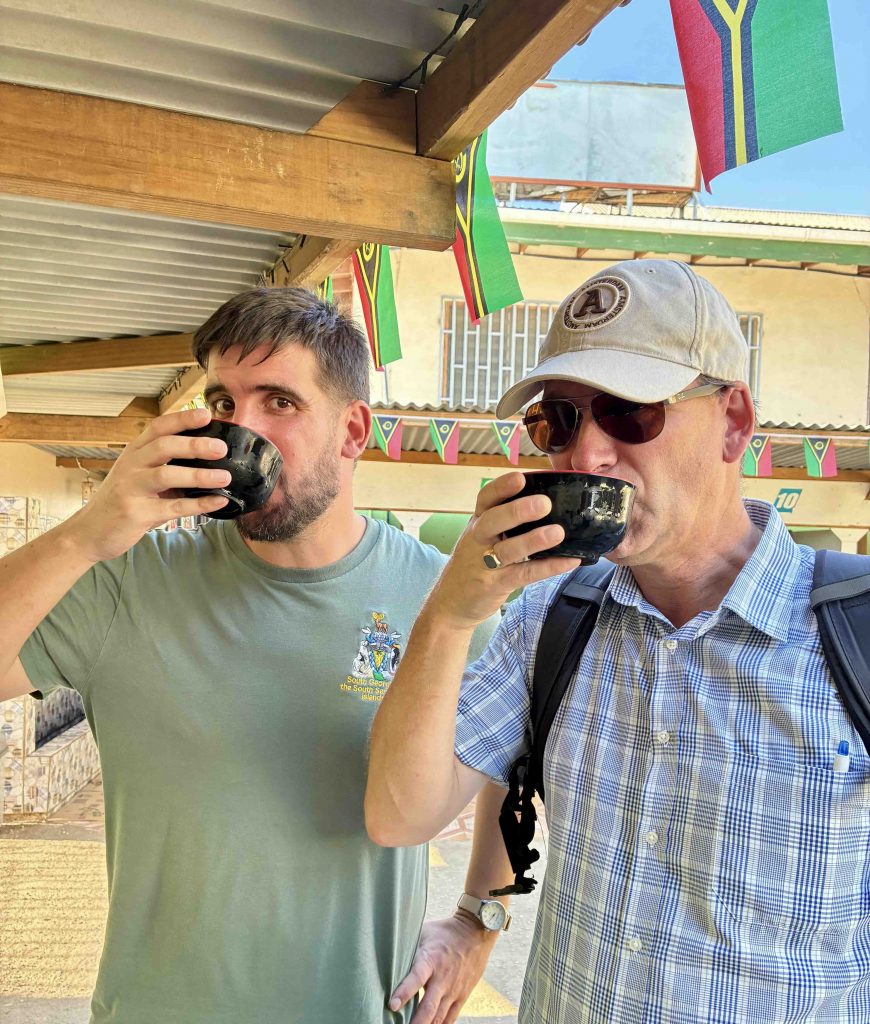
You sit in a nakamal. You take the shell. You chase it with washemout. And it clicks why the best kava in the South Pacific comes from a place that treats it as part of daily life, not a novelty for visitors.
If you want to experience that properly and then compare it across the region, you can do it the easy way on YPT’s Least Visited Countries tour, either on a group departure or as a solo Vanuatu trip arranged around you.
About Post Author