One region that we have had a lot of interest in has been the Islands of the Indian Ocean, with us looking very seriously into a “Least Visited” type trip in the vein of what we do in the Pacific Islands.
But, what countries are in the region, what non-sovereign players are there and which ones are worth visiting? Well to answer these questions, we have put together the following guide to the Islands of the Indian Ocean.
Table of Contents
What the Indian Ocean?
The Indian Ocean is the third-largest ocean on the planet, covering roughly 70 million square kilometres from the eastern coast of Africa to western Australia, and from the southern tip of India down to Antarctica. It has been a vital trade route for centuries, used by Arab, Indian, and later European traders moving spices, textiles, and other goods.
Its islands range from massive landmasses like Madagascar to tiny atolls barely above sea level. Despite centuries of traffic, large areas of the ocean and its islands remain remote and mostly untouched, which is part of the appeal for anyone looking for proper adventure rather than resorts.
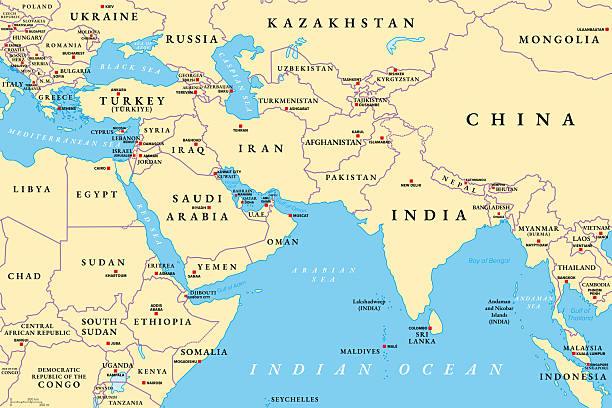
Islands of the Indian Ocean – Sovereign Nations
The Indian Ocean has several fully independent island nations, each very different in size, accessibility, and tourist numbers:
- Madagascar – The largest island in the Indian Ocean. Known for its wildlife, forests, and isolated villages. Around 500,000 tourists a year. Travel is tough, roads are poor, and flights limited.
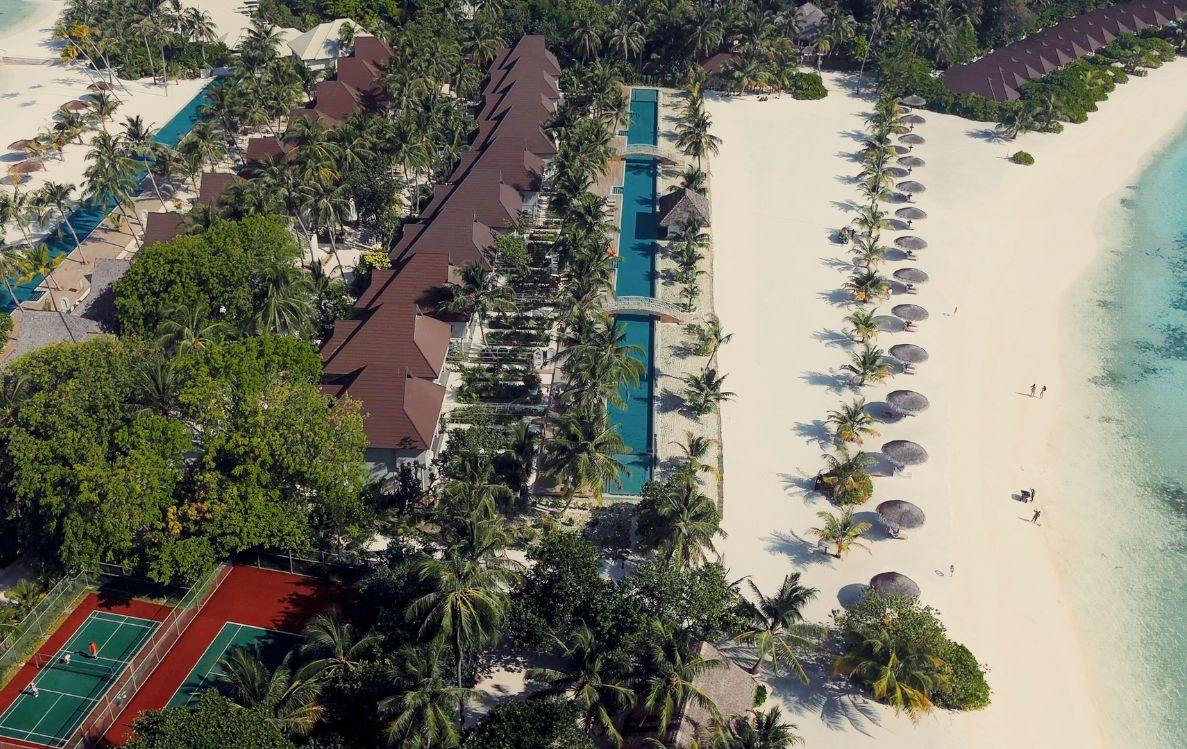
- Maldives – A chain of coral atolls, mostly luxury resorts. Around 1.7 million visitors per year. Almost all tourists stay in overwater bungalows.
- Mauritius – Known for beaches, sugar plantations, and colonial history. Around 1.2 million tourists annually. Reasonably accessible, but not cheap.
- Seychelles – 115 islands, mostly granite and coral. Around 300,000 tourists yearly, largely high-end travellers. Fun fact it was once communist.
- Comoros – Small, raw, and very little tourism (around 30,000 visitors yearly). Travel is slow and infrastructure minimal.
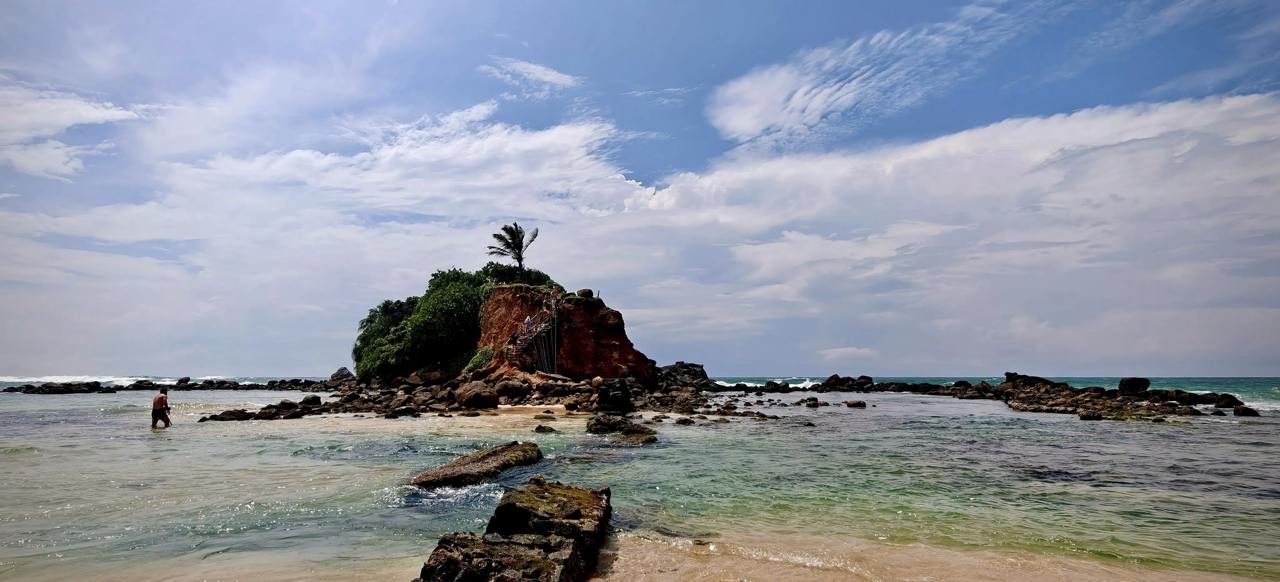
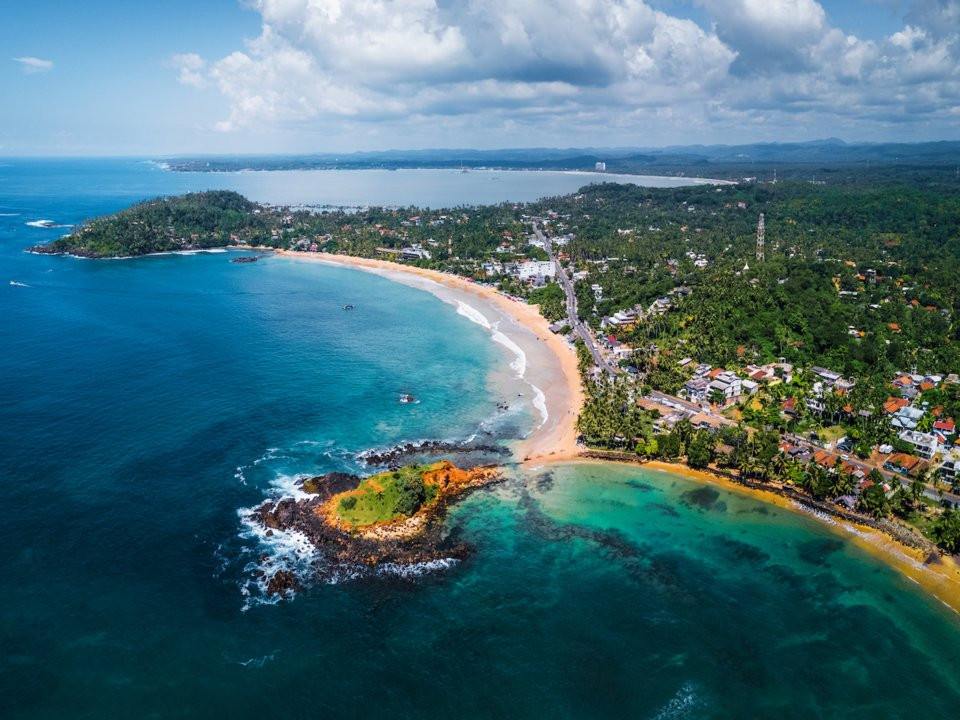
- Sri Lanka – Island nation at the edge of the Indian Ocean. Tea, temples, beaches. Around 1.9 million tourists annually. Reasonable access via Colombo.
Travel here can be unpredictable: flights are expensive or limited, and inter-island transport is not always reliable. These islands are for serious travellers, not casual beach-goers.
Non-Sovereign Islands of the Indian Ocean
Several islands are territories of other nations but are worth noting for anyone serious about Indian Ocean exploration:
- Réunion – French overseas department east of Madagascar. Easy to reach via Paris.
- Mayotte – French territory near Comoros. Minimal tourism.
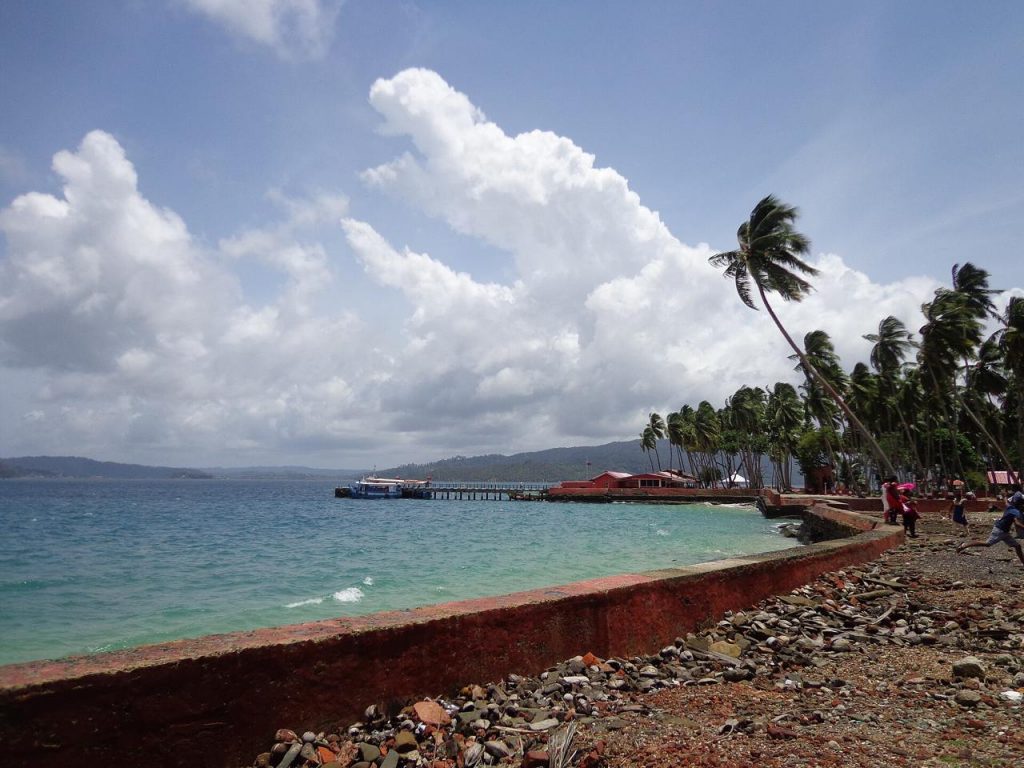
- Andaman and Nicobar Islands – Indian territory north of Sumatra. Restricted areas exist, permits required.
- Lakshadweep – Tiny Indian atolls off Kerala. Permits required, very few tourists.
- Cocos (Keeling) Islands – Australian territory, extremely remote, very limited access.
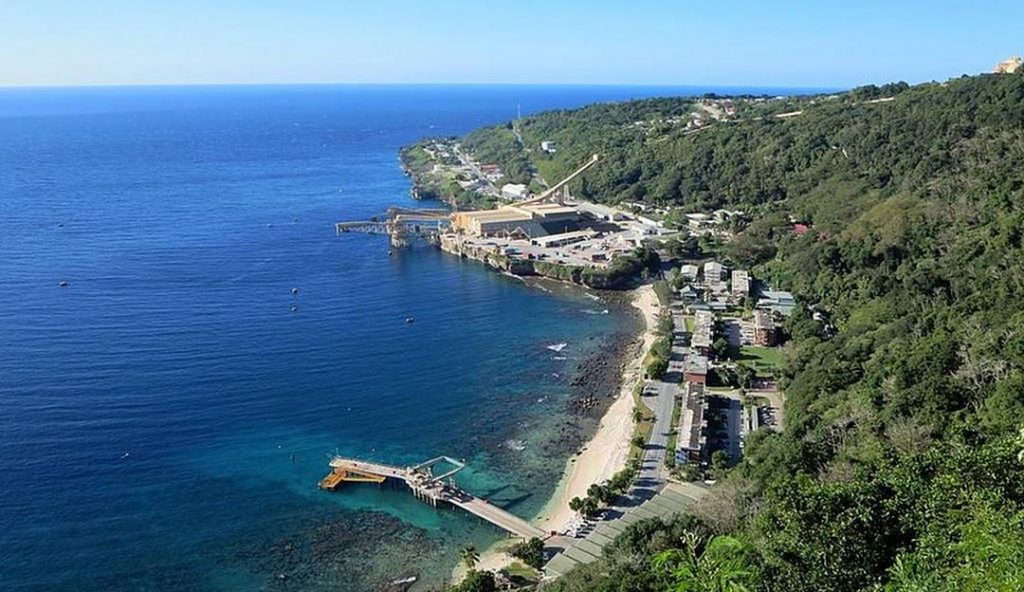
- Christmas Island – Australian territory south of Java. Famous for red crab migration.
These islands tend to be remote, difficult to reach, and almost completely off the beaten track.
Chagos Islands and Diego Garcia
The Chagos Archipelago, including Diego Garcia, is one of the most controversial spots in the Indian Ocean. In the 1960s and 70s, the UK forcibly removed the Chagossians from their homeland so Diego Garcia could be leased to the United States for a military base. Mauritius has long claimed sovereignty over the islands, and the International Court of Justice has ruled the UK should return them.
The problem is simple: the Chagossians are not Mauritian, and the UK does not have the right to “give” the islands to anyone. The islands remain closed to tourists, militarized, and off-limits, a stark example of colonial interference still leaving people displaced decades later.
If you could make it to Diego Garcia though you would make a lot of people envious…
How to Traverse the Islands of the Indian Ocean?
Travel between islands is difficult. Flights exist but are limited, expensive, and often indirect. Ferries are slow, infrequent, and sometimes unreliable. Some smaller islands require special permits or military clearance to visit.
Cargo ships or private yachts are options for the few who can plan weeks or months ahead. Essentially, getting around the Indian Ocean is not simple, and hopping between multiple islands takes time, patience, and cash. We are very much working on solving this riddle.
Will YPT Be Running Tours Here?
The short, sharp answer to this is that we would very much like to, but only if we can do a super tour that will bust through a lot of the islands.
Good news on this front, though, is that we are currently working on things. Alas, these things take time, so for now at least watch this space.
About Post Author