If you are brave enough to travel to the Middle Kingdom then you will obviously be treated to some of the best food in the world. What you might not realize though is that Chinese drinks are also pretty baller.
From bubble tea to super strength rice wine, you won’t go thirsty in China. What though I hear you ask should you try? Here’s the YPT 25 top Chinese drinks.
Table of Contents
Top 25 Chinese Drinks to try
25 Huangjiu (Yellow Wine)
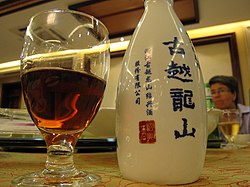
Ancient fermented rice wine. Savory, nutty, complex. Shaoxing is the birthplace. Drink at old-school restaurants with dumplings or braised pork. Not sweet, not easy, but proper.
24 Shaoxing Rice Wine (Brewed)
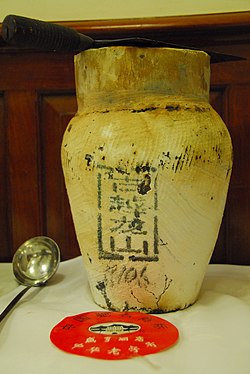
Thicker, stronger cousin of Huangjiu. Served hot or at room temp. Essential in Jiangnan kitchens. Sip like a local, it’s not subtle.
23 Lychee Wine
From Guangdong and Fujian. Sweet, fruity, slightly alcoholic, made from real fruit. Pairs with seafood or BBQ snacks.

22 Dragon Well Tea (Longjing)
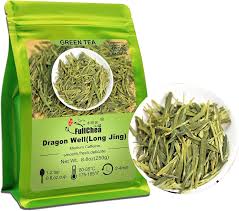
Hangzhou’s classic green tea. Nutty, fresh, grassy. Best brewed at local tea houses near West Lake. Not for the weak palate.
21 Osmanthus Tea
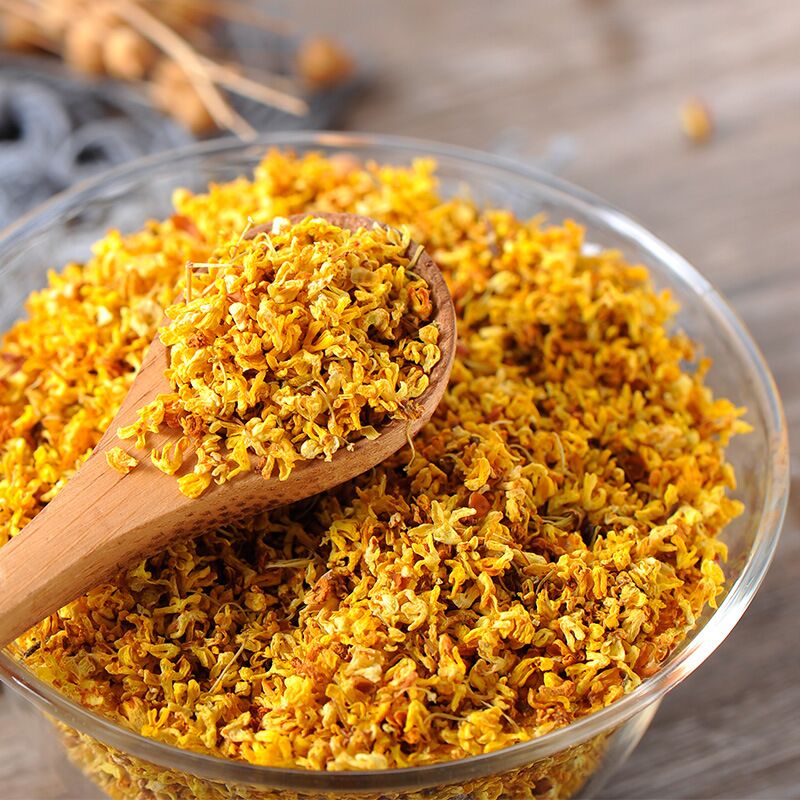
Floral, aromatic, slightly sweet. Hangzhou or Suzhou. Brewed properly, it tastes like walking through a spring garden.
20 Chrysanthemum Tea
Hot or cold, everywhere in China. Bright, floral, slightly bitter. Street carts, teahouses, or served with dim sum.

19 Pu’er Tea
Yunnan fermented tea. Earthy, deep, strong. Sold in cakes or loose leaves in Lijiang, Dali, or Kunming. Some aged 10+ years and worth tasting.

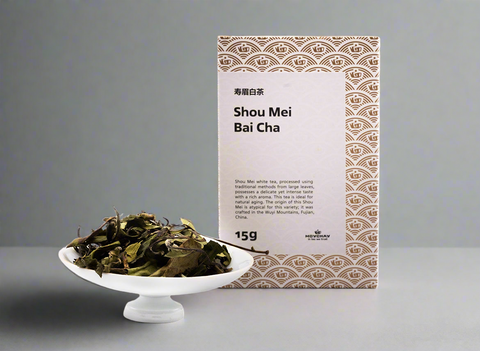
18 White Tea (Bai Cha)
Fujian specialty. Delicate, subtle, lightly sweet. Great with breakfast buns or soft pastries. Sit in a Fujian teahouse, sip slow.
17 Street Baijiu (Strong Spirits)
Jiangxiaobai, Fenjiu, or just local stuff. Fruity, fiery, deadly. Street bars, Sichuan hotpot restaurants, or tiny Chengdu dives. One shot = respect.
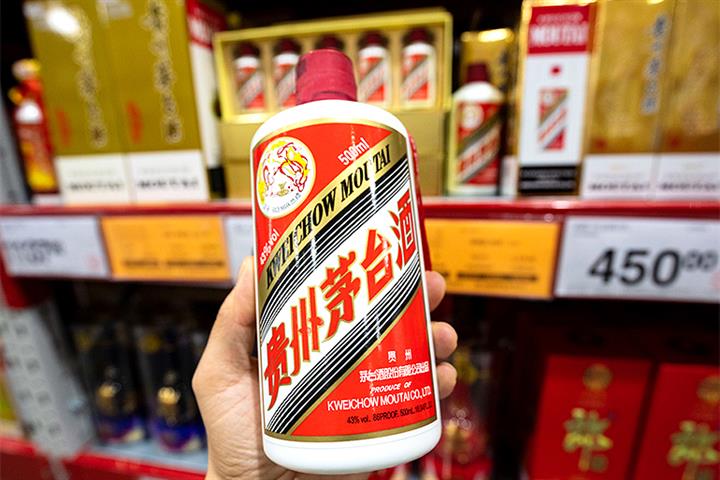
16 Maotai
China’s most famous baijiu. Funky, powerful, bitter-sweet. Government banquets or posh hotels. Sip, don’t shoot.
15 Fenjiu
Northern baijiu. Light, mellow, slightly floral. Shanxi specialty. Street-side noodles + Fenjiu = heaven.

14 Rice Wine (Northeast Style)
Thick, slightly sour, warming. Best in Harbin or Liaoning. Locals sip it with dumplings or pickled veg.
13 Cold Brew Tea (Straight)
Green, black, or oolong. Street vendors in Guangdong and Wuhan. Ice or room temp. Refreshing, clean, no sugar cheats.
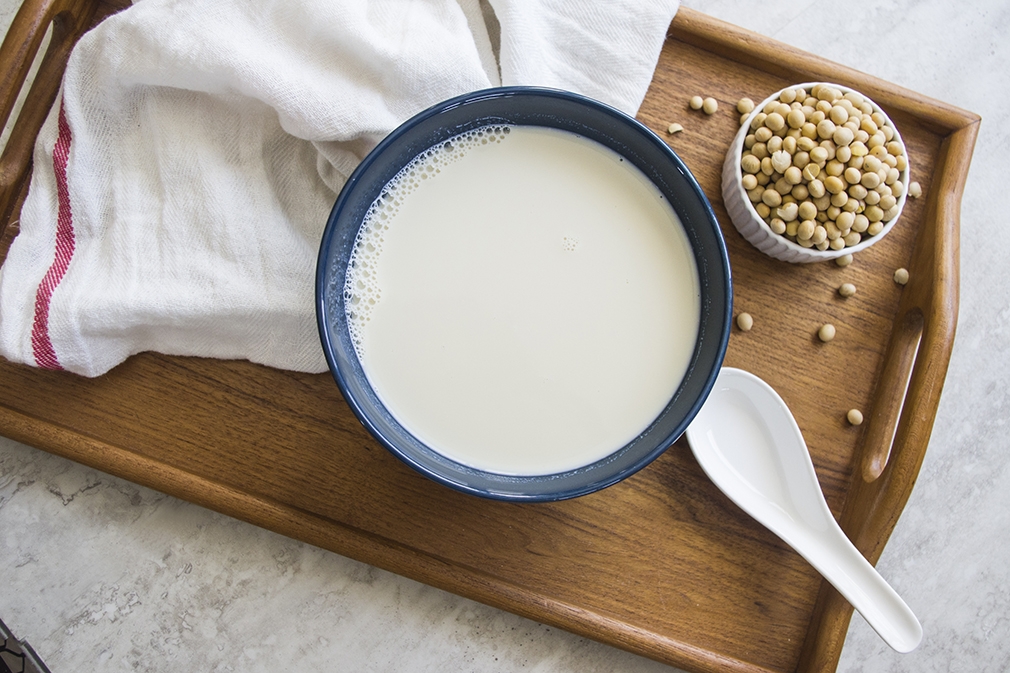
12 Hot Soy Milk (Doujiang)
Morning staple. Sweet or salty. Beijing, Xi’an, anywhere with hutongs. Paired with youtiao (fried dough sticks). Local breakfast at its finest.
11 Sugarcane Juice
Freshly pressed in Guilin, Yangshuo, or Hainan. Sweet, grassy, raw. Drink straight from the press with ice if you dare.

10 Plum Wine (Sour/Ume)
Slightly sour, sometimes salty, traditional summer drink. Street markets in Sichuan, Chongqing, or Taiwan-influenced regions.
9 Guozhen Sweet Rice Wine
Thick, warm, slightly fermented. Clay pots in Lijiang, Fenghuang. Pairs with sticky rice snacks. Rustic and local.

8 Tsingtao
China’s flagship beer. Qingdao brewery is pilgrimage-level. Crisp, slightly bitter, perfect with seafood or street skewers.

7 Yanjing
Beijing lager. Clean, approachable, street-side or restaurant. Pairs with dumplings or Peking duck. Ubiquitous, respected.

6 Harbin Beer
Stronger, maltier than Tsingtao. Winter riverside, cold glass in hand, street food on plate. Northern classic.

5 Craft Beer (Shanghai / Chengdu)
IPA, stout, experimental brews. Real hops, barrel-aging. French Concession or tiny alley bars. Forget mass-ma rket lagers.

4 Bubble Tea (Pearl Milk Tea)
Taiwanese origin, perfected in Mainland. Tapioca chewy, tea strong, milk rich. Xi’an, Chengdu, Shanghai street stalls. Not the fake canned stuff.

3 Hot Pot Baijiu Combo
Chengdu, Chongqing. Street hotpot plus shots of local strong baijiu. Heat, spice, fire in your veins. Local night ritual.
2 Doujiang & Youtiao
Number two because it is life. Hot soy milk and fresh fried dough sticks. Hutongs in Beijing, alleys in Xi’an. Perfect breakfast, street-level, zero bullshit.

1 Local Beer & Street Baijiu Mashup
The real number one. Snow, Tsingtao, or local dodgy beers paired with small street-side baijiu shots. Kind of like a SoMaek you would do in DPR, or RO Korea, but with a much bigger punch.
Where to drink Chinese drinks in China!
So, where should drink Chinese drinks when you visit China? Here’s our 5 top tips, with us even offering tours to a few of them.
1. Beijing Hutongs
Morning: hot soy milk (doujiang) and youtiao from a filthy street stall. Night: Yanjing beer and local baijiu in grimy alleys, hotpot carts everywhere, locals shouting, smoke and smells. You’ll spill some, probably step in some, and love every second.

2. Yangshuo, Guangxi
Riverside chaos. Street bars selling rice wine in clay pots, sugarcane juice pressed fresh, local beers on plastic tables. Sunset over the karst mountains, barbecues blazing, tourists and locals drinking shoulder-to-shoulder. Do not expect subtlety.

3. Dandong, Liaoning
Border town madness. Cheap strong rice wine, Tsingtao from icy crates, northeastern baijiu. Neon reflections on the Yalu River, smoke, locals arguing over cards. Bars are grimy, streets loud, drinking is serious, not cute.

4. Qingdao, Shandong
Beer capital of China. Tsingtao flowing, seafood skewers sizzling, summer nights, plastic stools in neon-lit streets, the smell of salt and smoke. Locals down beer like it’s oxygen. Brewery tours are mandatory.

5. Weizhou Island, Guangxi
This one is a bit of a hidden gem in Guangxi, a city that already boasts Yangshuo, Guilin and Beihai. Proper tropical vibe and a crazy drinking scene. Think no cars and beach type bars that have more akin to South-East Asia, but with almost no western tourists.
And that marks the YPT guide to Chinese drinks, and where you should go drink them.
And YPT can take you there on one of our China Tours.

About Post Author