Nepalese Food is honest, practical, and unapologetic. It does not exist to impress anyone or for Instagram likes. It exists to feed people who work hard, walk miles through hills, trek at high altitude, and survive cold nights. Every dish has a purpose, shaped by geography, climate, religion, and scarcity. This is food built for survival and functionality, and that is why it works. Dal, rice, lentils, fermented greens, and seasonal vegetables dominate the tables, and everything else is a supplement.
Many outsiders lump Nepalese Food with Indian or Tibetan cuisine, but that is lazy thinking. There are similarities, yes, but the flavour balance, spice usage, and preparation methods are different. Nepalese Food is simpler, sharper, and far less oily than northern Indian food. It is structured around staple ingredients and local produce, not exotic spices or overcomplicated sauces. Eating it properly requires understanding the logic behind it, not just eating for novelty.
Table of Contents
Geography and how it shaped Nepalese Food
Nepal is a vertical country, running from the hot Terai plains in the south to some of the highest mountains in the north. This geography dictates what people eat. The Terai lowlands have more rice, wheat, and vegetables, with heavier spice use because the climate allows it. The hills rely on millet, maize, lentils, and seasonal greens, while the mountains depend on barley, potatoes, dairy, and fermented foods. Meat is rare in high-altitude areas and is treated as a luxury.
Transport and supply historically were slow and unreliable, which meant food had to last. Fermentation, drying, and pickling are not fads; they are essential techniques in Nepalese Food. People eat what grows, what stores, and what keeps them alive through harsh winters. The geography is not just a backdrop—it shapes the very character of Nepalese Food.
Historical and cultural influences
Nepalese Food evolved along trade routes rather than through imperial conquest, and its influences are evident. India brought rice, lentils, flatbreads, and spice knowledge. Tibet introduced noodles, dumplings, soups, and dairy. Hill tribes contributed fermented vegetables, smoked meat, and a philosophy of using everything because wasting food was never an option.
Religion also plays a role. Hinduism and Buddhism dominate Nepal, so vegetarian meals are common either full time or on specific days. This forced Nepalese Food to become very good at extracting flavour from vegetables and lentils without relying on meat or excess oil. Different ethnic groups shaped regional cuisine as well. Newari food from the Kathmandu Valley is bold, spicy, and fermented, while hill and mountain food is practical, heavy, and filling. Every dish tells a story of adaptation to environment and culture.

Dal bhat is not a dish, it is a system
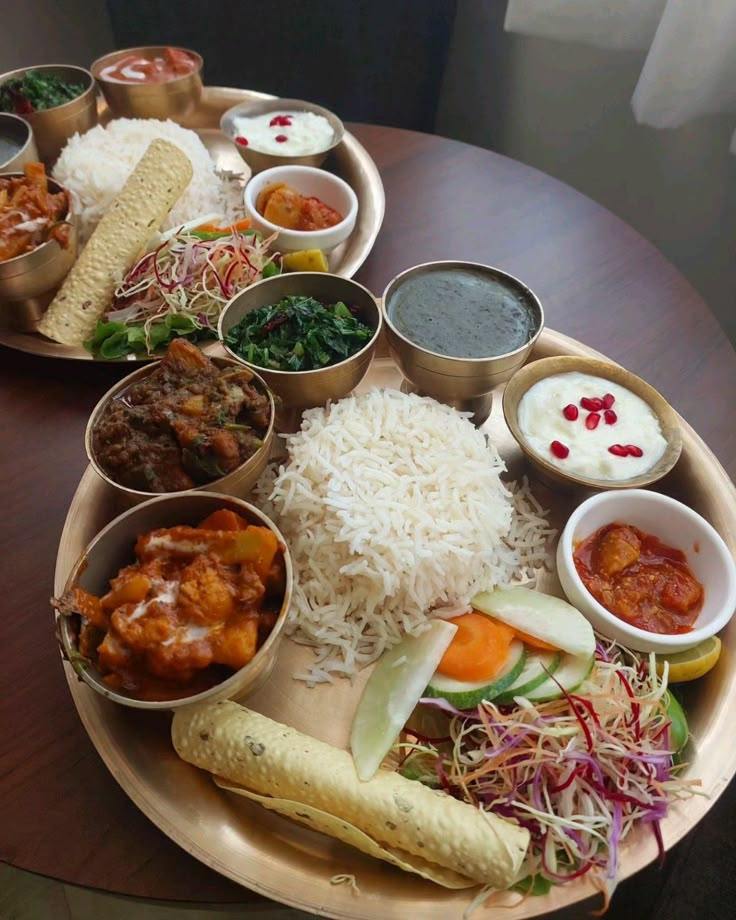
Dal bhat is the foundation of Nepalese Food. Dal is lentil soup. Bhat is rice. Around this, seasonal vegetables, greens, pickles, yogurt, and sometimes meat are arranged depending on availability. It is eaten twice a day by a huge proportion of the population, often with unlimited refills. The repetition is not boring; it is functional. Variation comes from different lentils, vegetables, pickles, and spice levels—not reinvention.
Dal bhat represents the practicality at the heart of Nepalese Food. It is fuel for work, trekking, and survival. It is reliable, filling, and designed to keep people moving. Once you understand this, the rest of Nepalese Food makes sense.
Top 10 foods to try in Nepal
1. Dal bhat
Rice, lentil soup, vegetable curry, saag, pickle, and optional meat. Refills are common. Eat it in a local joint, not a tourist restaurant, to experience real Nepalese Food.

2. Momos
Steamed dumplings filled with buffalo, chicken, or vegetables. Served with a fiery tomato chili sauce. Momos are the gateway to Nepalese Food, widely available on streets and markets.

3. Newari khaja set
A plate of beaten rice, spicy meat, boiled eggs, fermented greens, and pickles. Bold and intense, often eaten with alcohol. This is Nepalese Food at its rawest and most traditional.

4. Thukpa
Thick noodle soup with Tibetan roots. Includes vegetables and meat if available. Rich broth and filling noodles make it perfect for cold weather. A staple in high-altitude areas where Nepalese Food must be warming and substantial.

5. Sel roti
Fried rice bread eaten during festivals. Crispy outside, soft inside, lightly sweet. Celebratory food that shows Nepalese Food can be festive without being dessert.

6. Gundruk
Fermented leafy greens made into soup or eaten as a side dish. Sour, earthy, and full of umami. Gundruk is a perfect example of how Nepalese Food uses preservation techniques to create flavour.

7. Aloo tama
Potato and fermented bamboo shoot curry. Sour, earthy, and intensely satisfying. A dish that represents hill-region Nepalese Food perfectly.

8. Choila
Grilled meat, traditionally buffalo, mixed with mustard oil, chili, garlic, and spices. Usually eaten cold. Sharp, punchy, and direct. No filler, just flavour.

9. Dhindo
Dense porridge made from millet or buckwheat. Extremely filling and functional. Usually eaten with soups and pickles. Mountain food at its most practical, essential for high-altitude survival.

10. Chatamari
Rice flour crepe topped with meat, egg, or vegetables. Newari specialty. Often mislabelled as “Nepalese pizza,” but it is something entirely different. It represents the ingenuity of local Nepalese Food.

Top 5 drinks in Nepal
Milk tea with spices, drunk constantly. It is the backbone of daily Nepalese Food culture and found everywhere.
2. Tongba
Hot fermented millet drink. Water is poured repeatedly and drunk through a straw. Popular in eastern Nepal. A communal way of drinking that pairs with meals.

3. Raksi
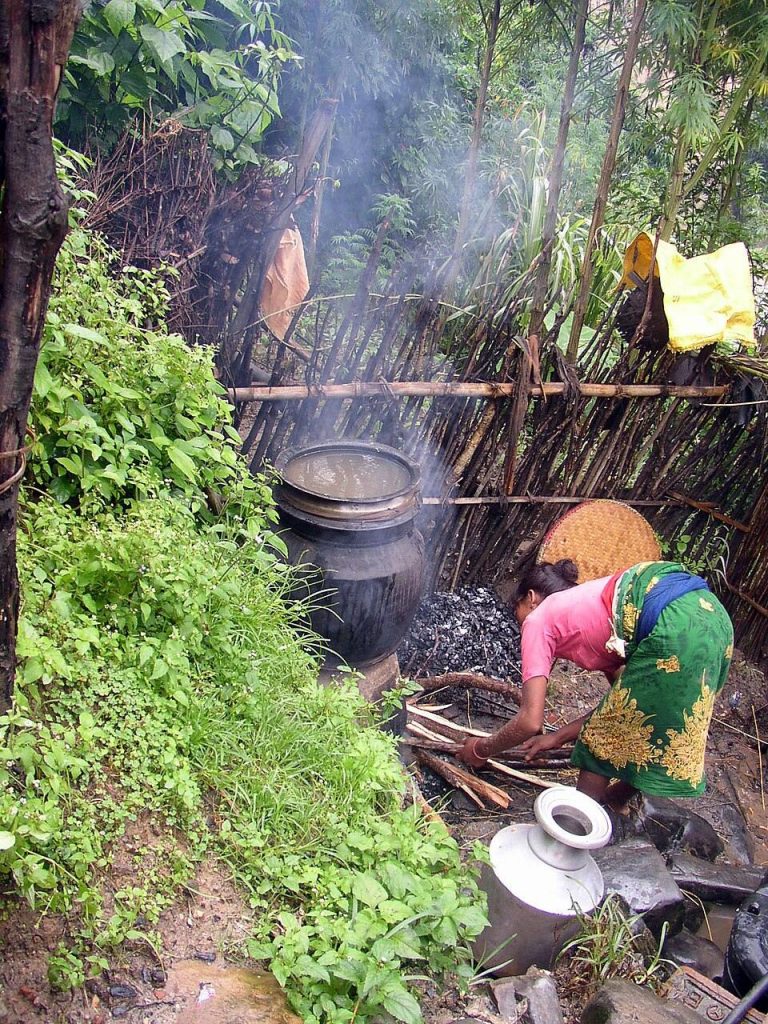
Home distilled rice or millet alcohol. Potent, dangerous if misused, and often offered as hospitality. Part of traditional Nepalese Food culture in villages.

4. Lassi
Yogurt-based drink, sweet or salty. Cooling, filling, and refreshing. Common in Terai and urban areas, it complements many Nepalese Food meals.

5. Chang
Fermented grain alcohol closer to beer. Cloudy, sour, and easy to underestimate. Social drinking done properly, especially in mountain regions.

Why Nepalese Food is underrated
Nepalese Food does not market itself or chase trends. It survives because it works. It feeds people who live hard lives in extreme environments. Every dish has a purpose. There is no theatre, no gimmicks, and no nonsense. Just food that sustains, satisfies, and tells a story of geography, culture, and survival.
Across the country, from Terai plains to high Himalayan valleys, Nepalese Food adapts to what is available, what preserves, and what fuels people for work. It is honest, raw, and built for living, which is why anyone serious about food should pay attention.
Click to see our Nepalese Tours.
About Post Author