The Wayaobu Revolutionary Site is located in the northern part of Yan’an. It is part of Zichang City under Yan’an. It is an important revolutionary red base. Wayaobu is closely linked to a decision that reshaped the path of the Chinese Revolution forever. This decision was the formulation of the Anti-Japanese National United Front.
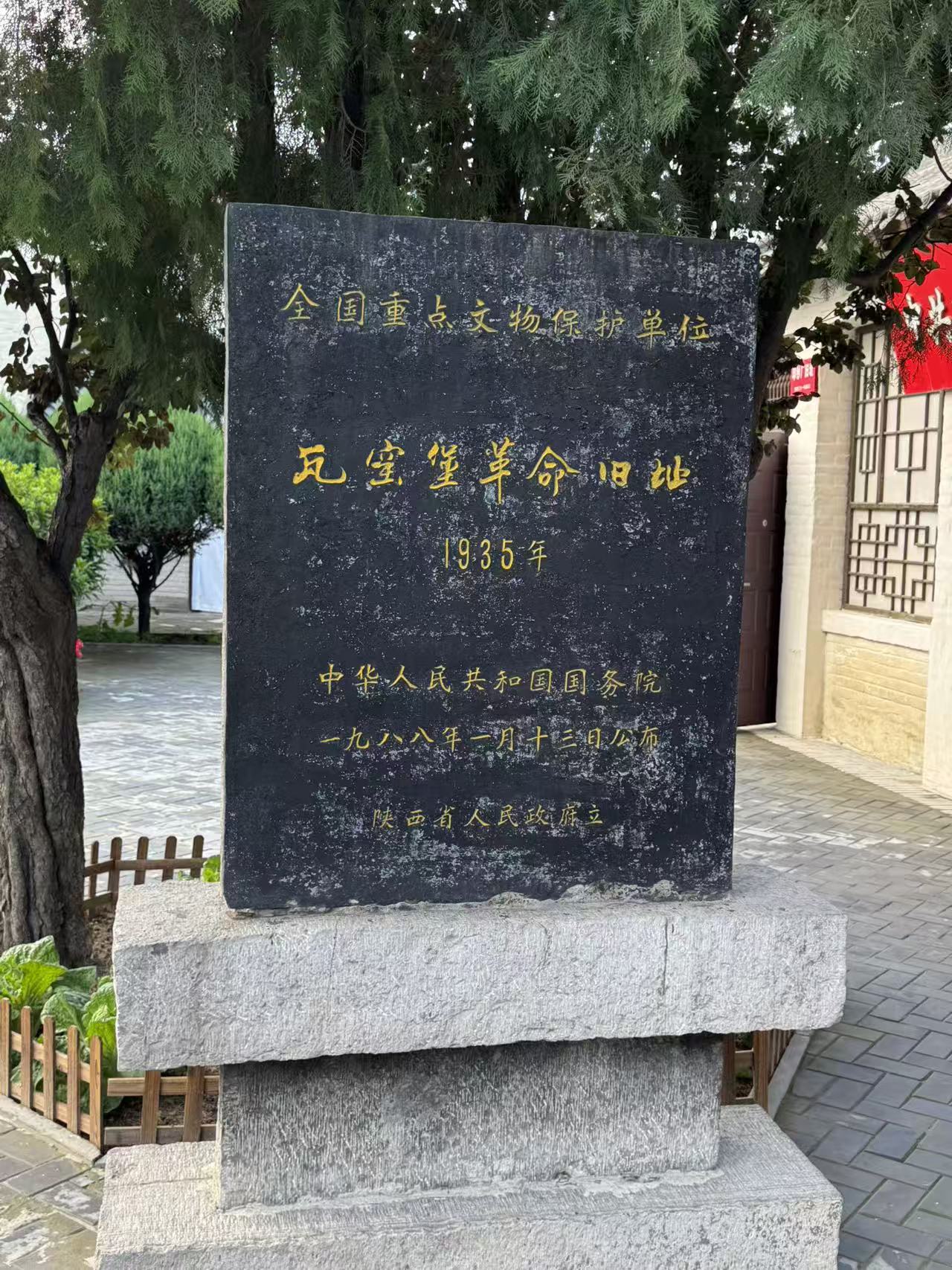
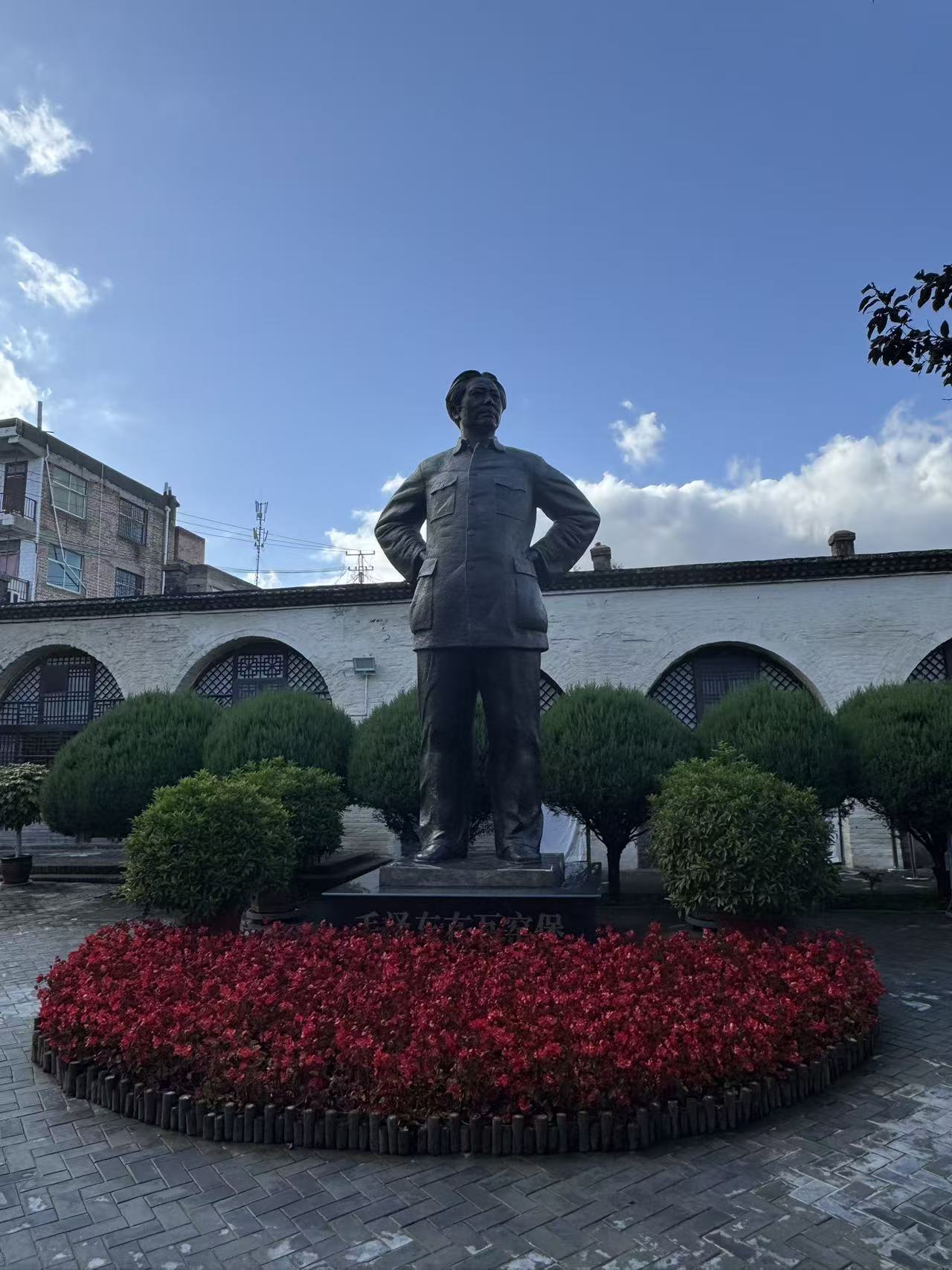
Table of Contents
Historical Background of Wayaobu Revolutionary Site
In 1935, the Chinese Red Army completed the Long March and arrived in northern Shaanxi. The troops were exhausted but determined. At the same time, Japanese imperialism was speeding up its invasion of China. Japanese forces pushed deep into North China. The Chinese nation faced a grave crisis of national survival.
At this critical moment, the Communist Party of China decided to change its strategy. It shifted away from a focus on land revolution. It chose to unite all patriotic forces, including the Kuomintang. The goal was to resist Japanese aggression together.
From 7 November 1935 to 21 June 1936, Wayaobu served as the seat of the Central Committee of the Communist Party of China. The Wayaobu Meeting promoted the anti-Japanese democratic movement. It was a famous and highly significant meeting of the Party.
On 13 December 1935, Mao Zedong arrived in Wayaobu after winning the Battle of Zhiluo Town. He stayed at Zhongsheng Inn on Zhongshan Street inside the town. On 26 January 1936, Mao Zedong set out from here. He led the Red Army to leave Wayaobu for the Eastern Expedition. The Central Committee later moved away. However, the decisions made here changed the direction of the Chinese revolution. They prepared the way for a nationwide war of resistance.
On 13 January 1988, the State Council listed the Wayaobu Revolutionary Site as a Major Historical and Cultural Site Protected at the National Level.
Core Landmarks of the Wayaobu Revolutionary Site
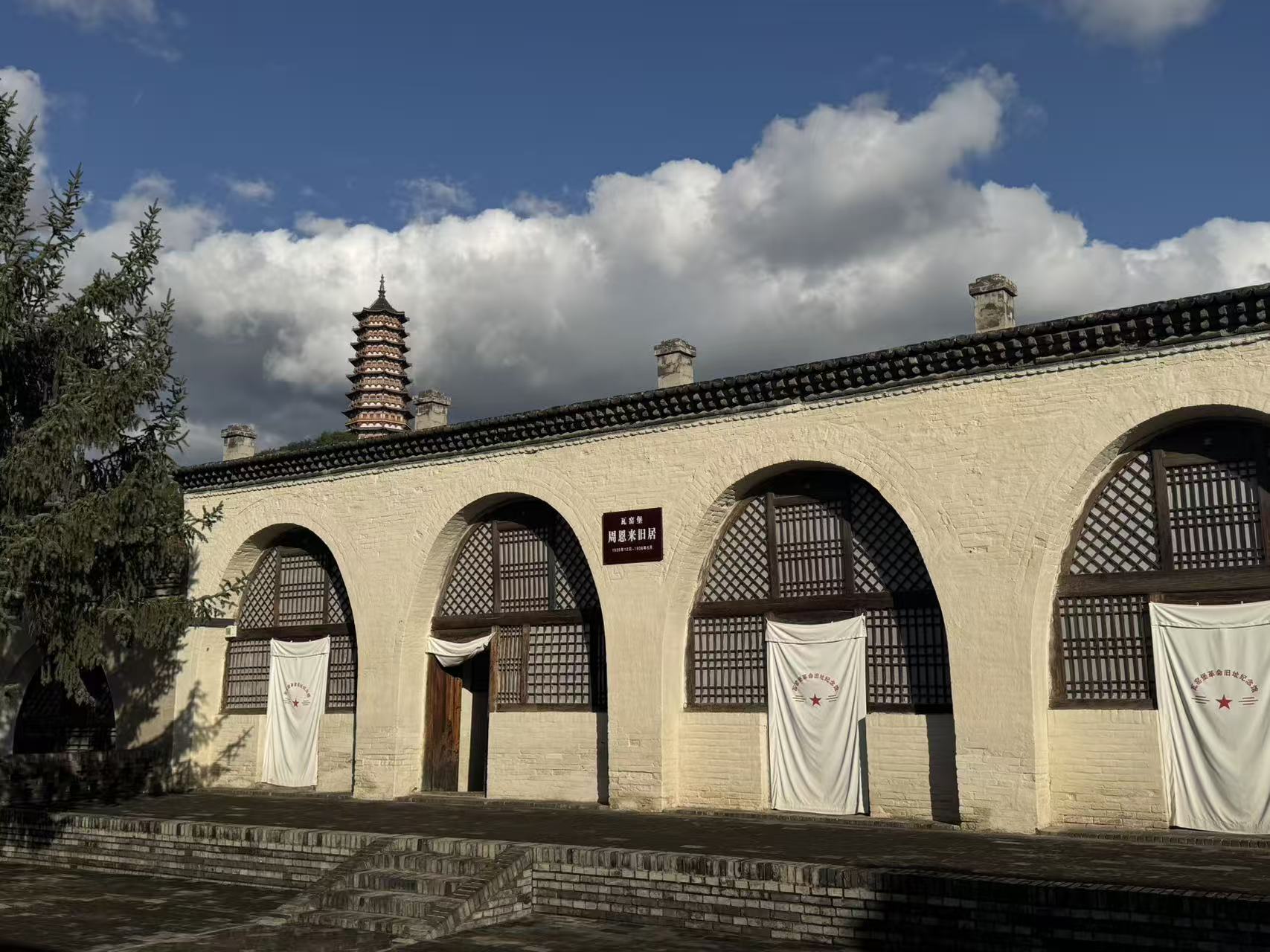
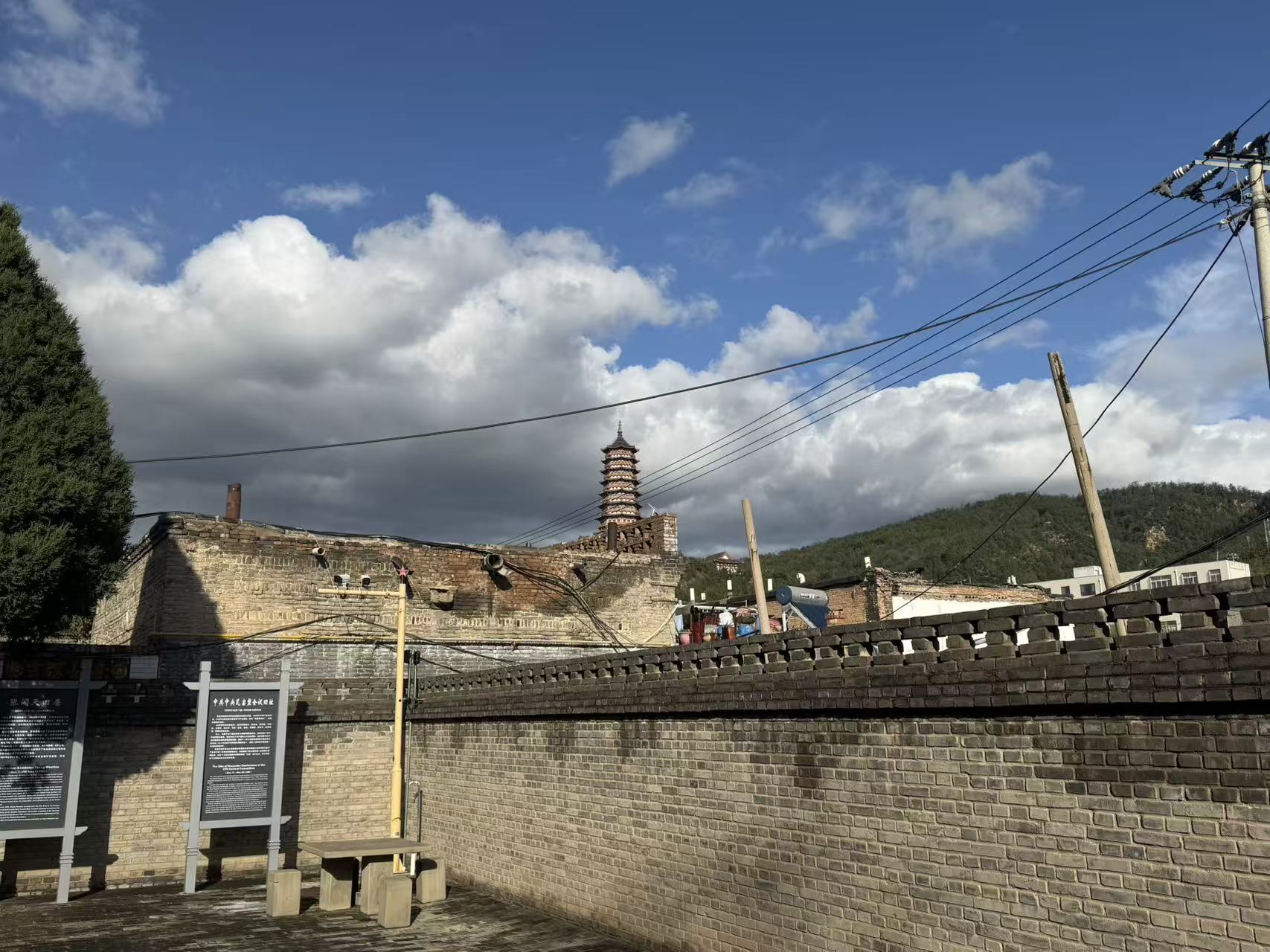
The most important landmark of the Wayaobu Revolutionary Site is the former site of the Wayaobu Meeting, which is located on the south side of Zhongshan Street inside the town, at Tianjia Courtyard in Xiahetan. There are five brick cave dwellings in the courtyard. They face east. The second cave from the left was the former residence of Zhang Wentian. The third cave was the meeting site. The meeting cave is small. Inside are two square wooden tables and six wooden benches. There is also a small table on the raised brick bed.
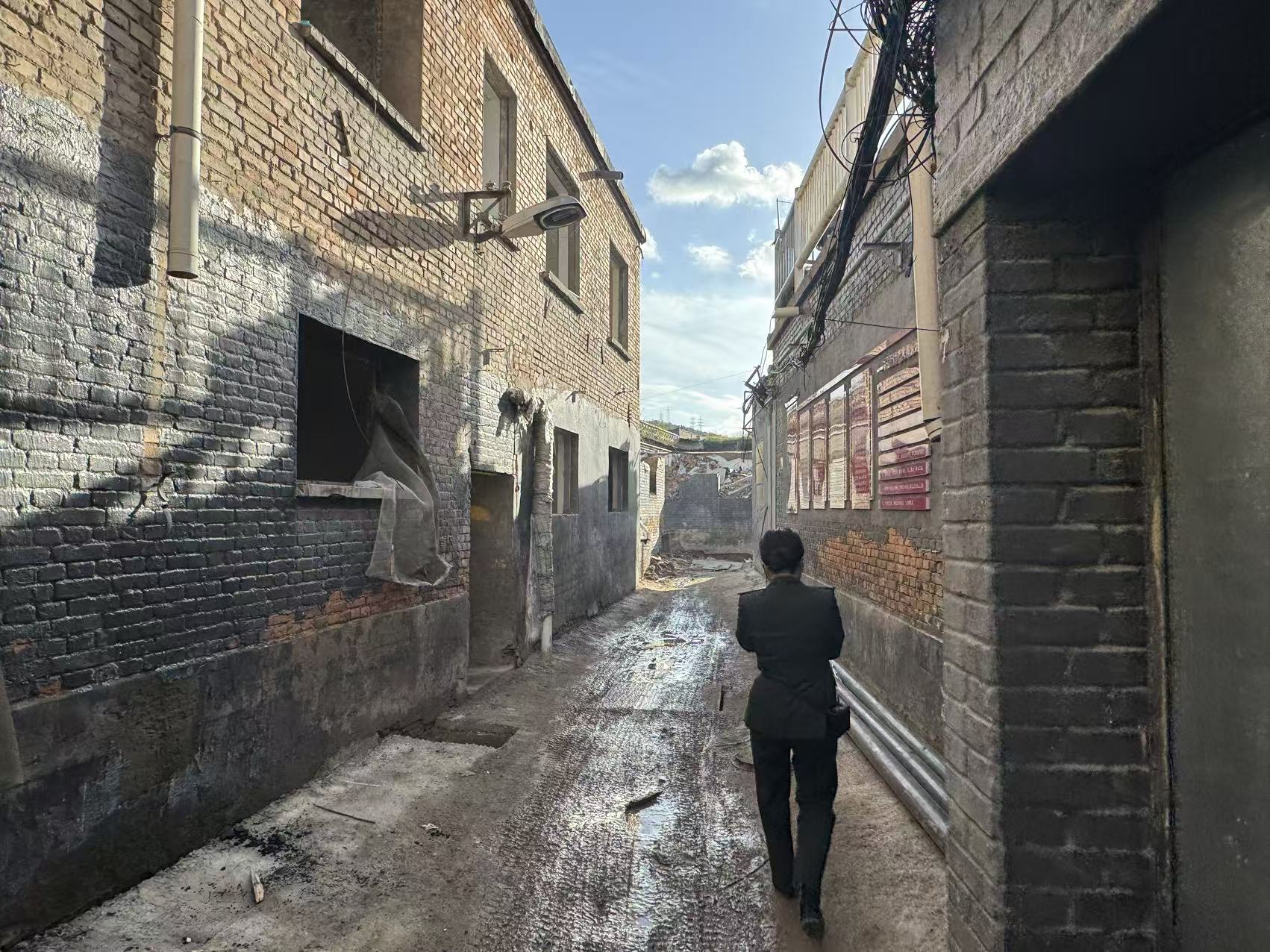
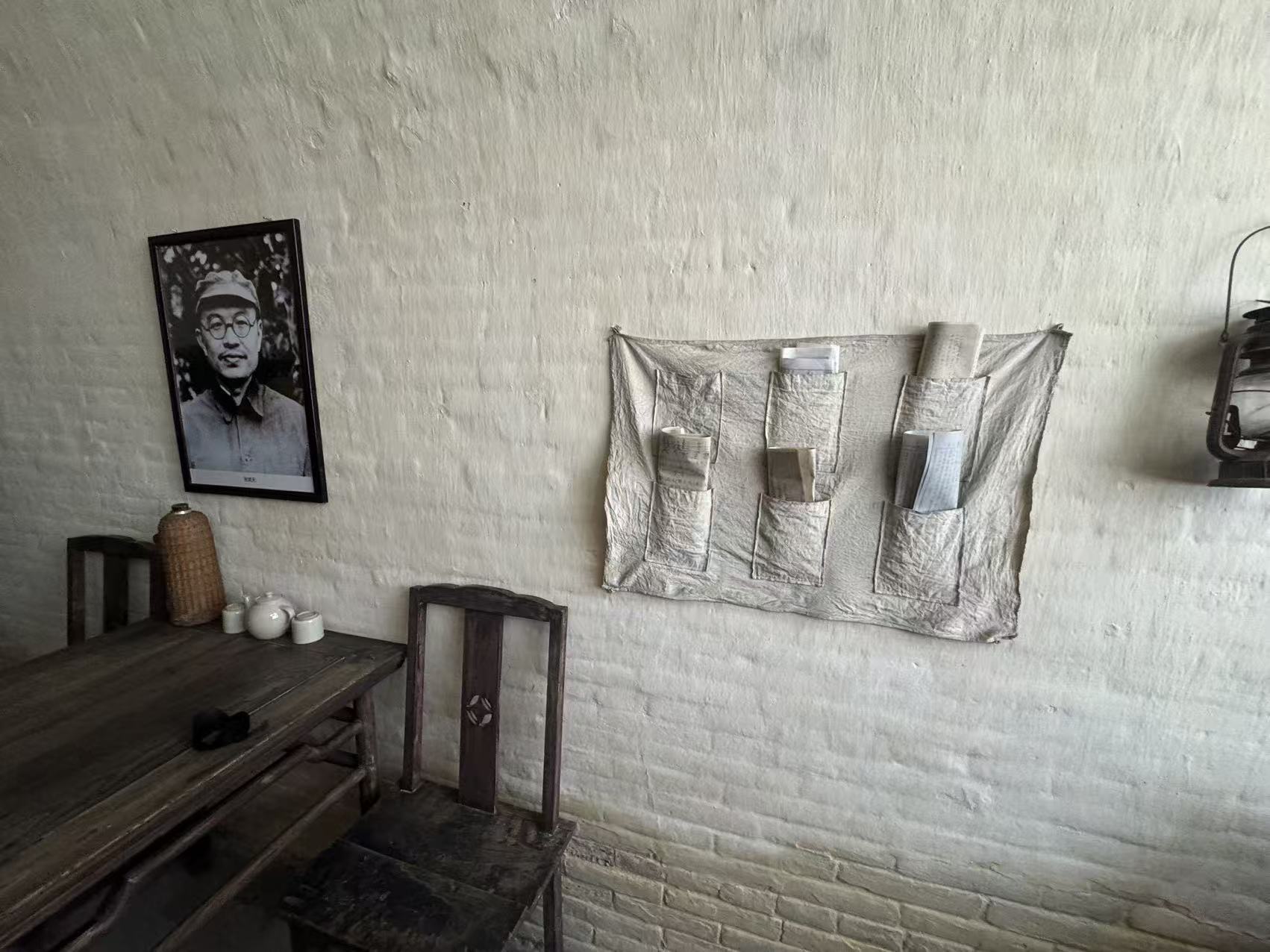
In late December 1935, due to the Japanese invasion of North China, Mao Zedong chaired a meeting of the Political Bureau of the Central Committee of the Communist Party of China in Tianjia Courtyard. This meeting was known as the Wayaobu Meeting. The meeting site was a row of five brick caves in the courtyard. They faced south east. The first cave from the left was used by staff.
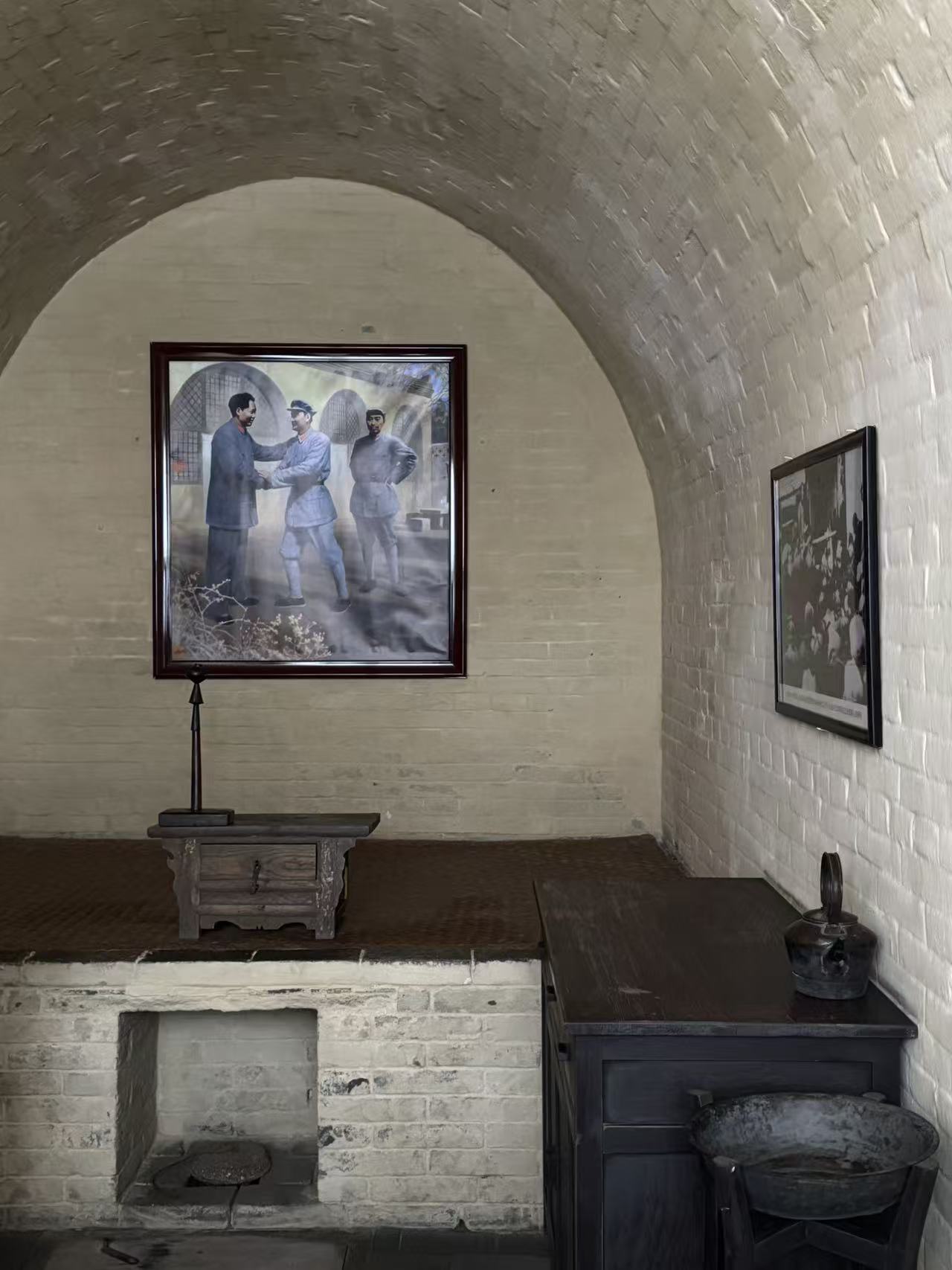
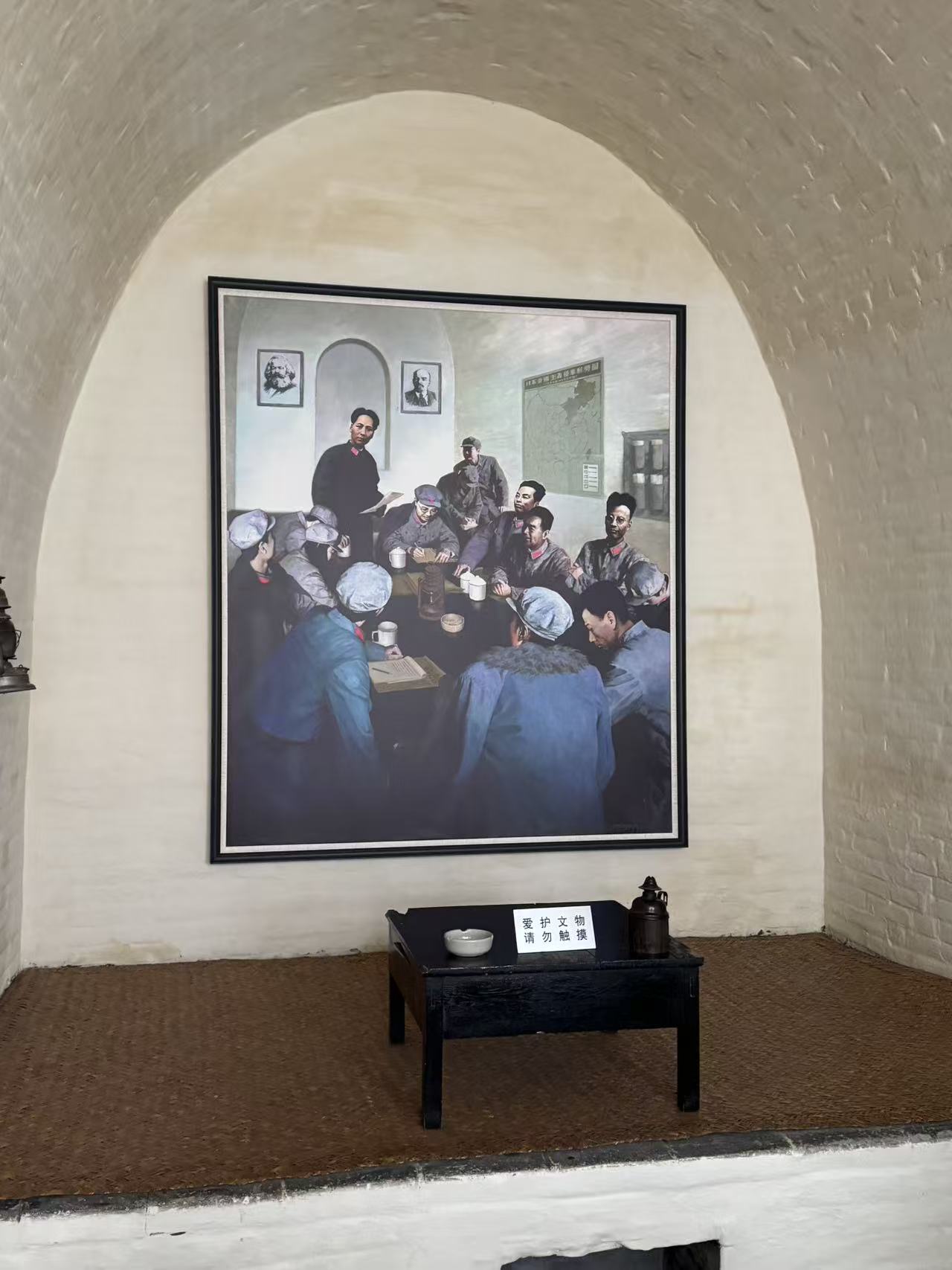
The second cave was Mao Zedong’s residence during the meeting. The remaining caves were used as meeting rooms. The meeting discussed major issues such as the national united front, the anti Japanese allied forces, and a national defence government. On 25 December, the Resolution on the Current Political Situation and the Party’s Tasks was adopted.
The former site of the Northwest Revolutionary Military Commission of Wayaobu Revolutionary Site is located in a small courtyard in Xiahetan inside the town. There are twelve brick caves in the courtyard. The upper courtyard has six caves. Five of them face west. Zhou Enlai once lived in the fourth and fifth caves from the south. One large cave facing south was used as the Military Commission meeting room. The lower courtyard also has six caves. All of them face west.
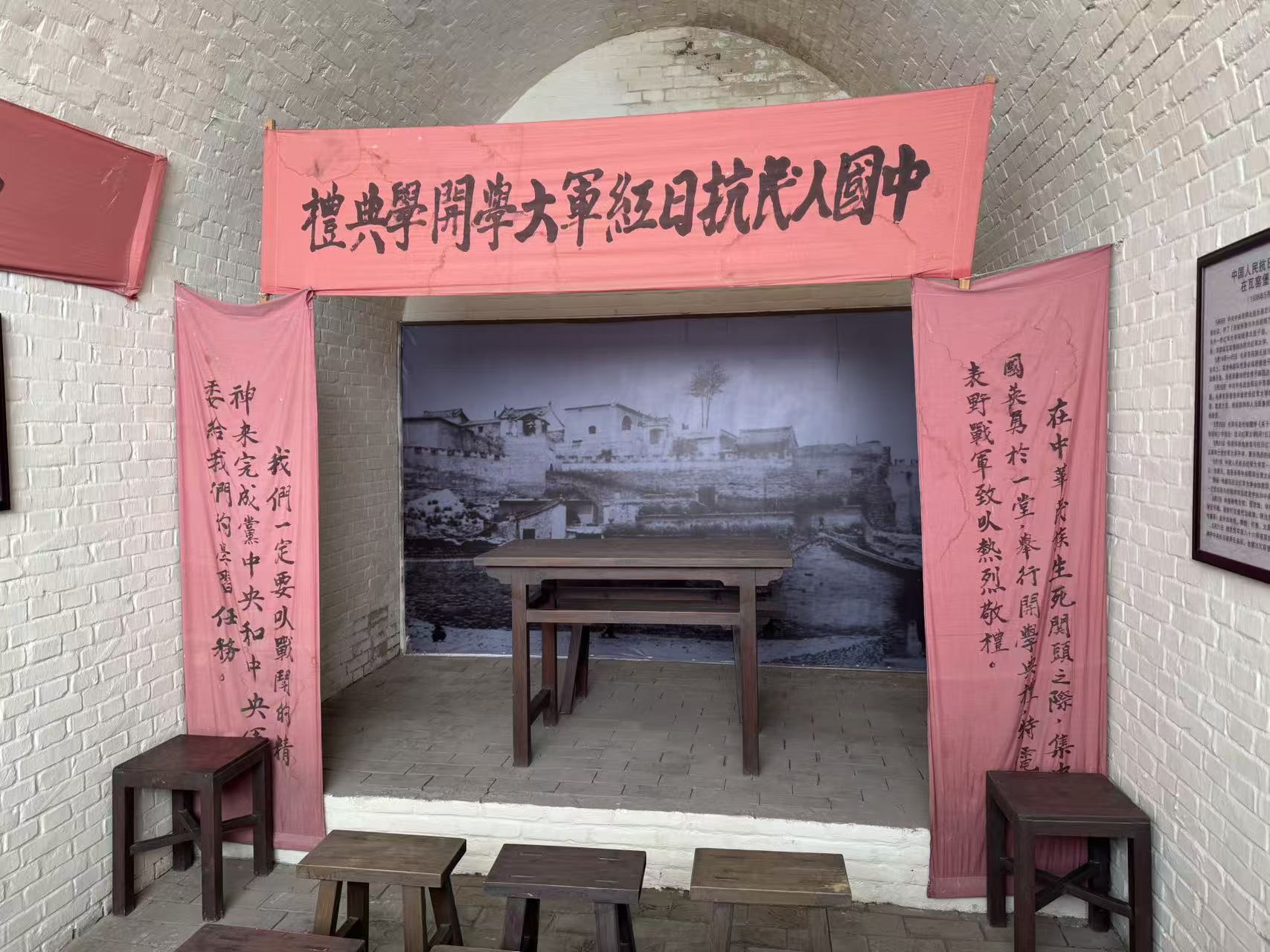
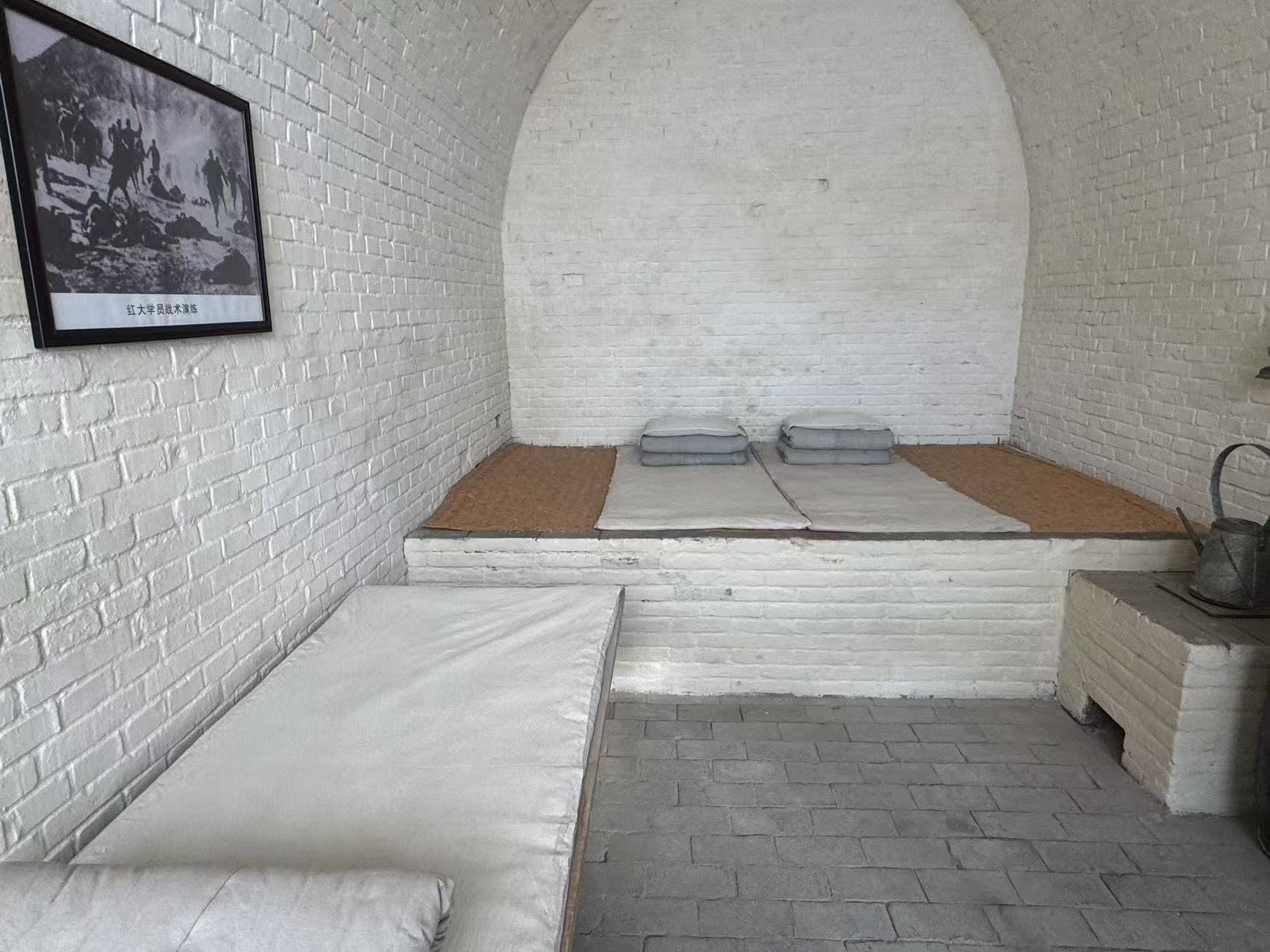
The former site of the Chinese Red Army University of the Anti Japanese Aggression War is located on Miliang Mountain on the north side of the town, it is also a part of the Wayaobu Revolutionary Site. When the university opened on 1 June 1936, the campus was set up here. After 21 June 1936, the university moved to Bao’an. At that time, the university had three departments. The first and second departments stayed in Wayaobu. The site now has five brick caves. They are used as two classrooms.
There are two former residences of Mao Zedong in the Wayaobu Revolutionary Site. One is located in the back row of four caves at Zhongsheng Inn on the west side of Zhongshan Street. This was his residence from December 1935 to January 1936. The other is located in Xiahetan inside the town. There are five brick caves in the courtyard. This was his residence from May to June 1936.
The former residence of Zhou Enlai in Wayaobu Revolutionary Site is located in a large courtyard near the city wall in Qianhetan of Zichang City. There are twelve brick caves in the courtyard. The upper courtyard has six caves. Five of them face west. Zhou Enlai once lived in the fourth and fifth caves from the south. This courtyard is also part of the former site of the Northwest Revolutionary Military Commission. The large cave facing south was used as the Military Commission meeting room.
Conclusion
The Wayaobu Meeting was a highly important meeting held at a historic turning point. It marked the transition of the Communist Party of China from the Land Revolution War to the War of Resistance Against Japanese Aggression.
The meeting reviewed key experience in political strategy from the two domestic revolutionary wars. It criticised leftist isolationism. It set out the strategic line of the Anti Japanese National United Front. The Wayaobu Meeting played a vital role in China’s War of Resistance. It also laid an important foundation for victory on the Chinese battlefield of the Second World War.
YPT’s China Revolutionary Red Base Tour takes visitors to Yan’an and other places in the region. It provides a full introduction to the history of the Chinese revolution. It is also the only tour that offers a complete English language service in this region.
Click to read more about YPT‘s China Revolutionary Red Base Tour and our other China tours.
About Post Author