In the many revolutionary red bases in Yan’an, the Wangjiaping Revolutionary Site holds a unique and important place. It was the cradle of China’s revolutionary military force. Unlike Zaoyuan, which focused on the central leadership, Wangjiaping remained the central hub of military command during those turbulent years.
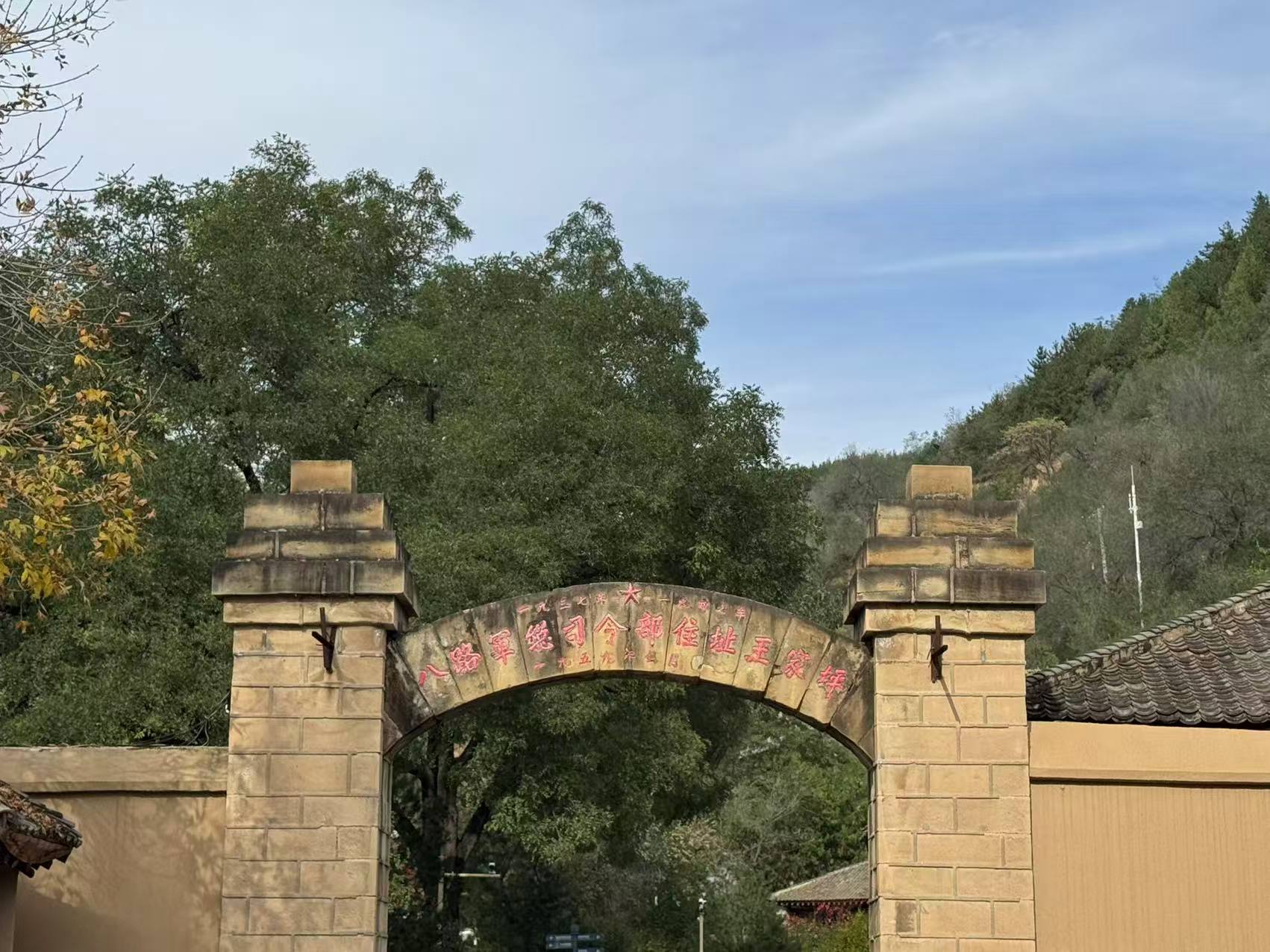
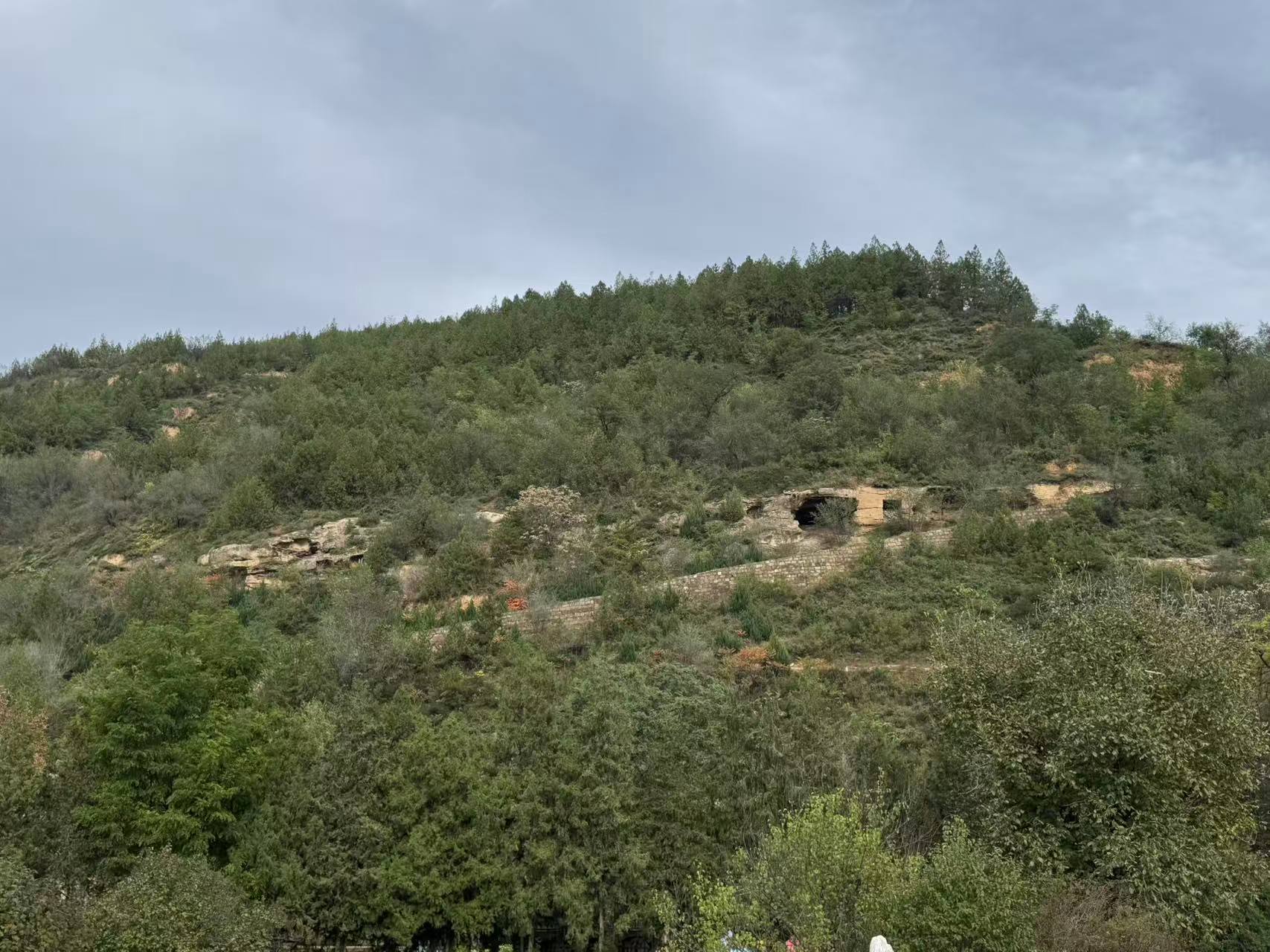
Table of Contents
Historical Background of the Wangjiaping Revolutionary Site
The history of the Wangjiaping Revolutionary Site began around 1937 and ended in 1947. It covered the key stage of the War of Resistance against Japanese Aggression and the early period of the War of Liberation. From January 1937 to March 1947, it served as the location of the Military Commission of the Central Committee of the Communist Party of China.
In 1937, soon after the Chinese Workers’ and Peasants’ Red Army was reorganised into the Eighth Route Army, which was later called the Chinese People’s Liberation Army, the Military Commission moved its headquarters to Wangjiaping. During the following decade, the site was the centre of China’s revolutionary military operations. Military leaders of the Communist Party studied the situation here, issued orders and coordinated military forces across the country.
The Wangjiaping Revolutionary Site was not only a command centre but also a cradle for military talent. At its peak, it contained offices of the Military Commission, military schools and logistics departments. Officers and soldiers lived and worked together, turning military theories into real actions. Many major operational plans against the Japanese forces were made here. The principles of guerrilla warfare, which carried clear features of China’s revolutionary military thought, were also improved here and became vital to later victories.
On 4 March 1961, as part of the Yan’an Revolutionary Sites, the Wangjiaping Revolutionary Site was announced as one of the first national key cultural heritage protection units.
Core Landmarks of the Wangjiaping Revolutionary Site
The Wangjiaping Revolutionary Site is divided into a south yard and a north yard. The south yard was the political department. The north yard was the command headquarters. It includes the auditorium of the Military Commission and Mao Zedong’s former residence.
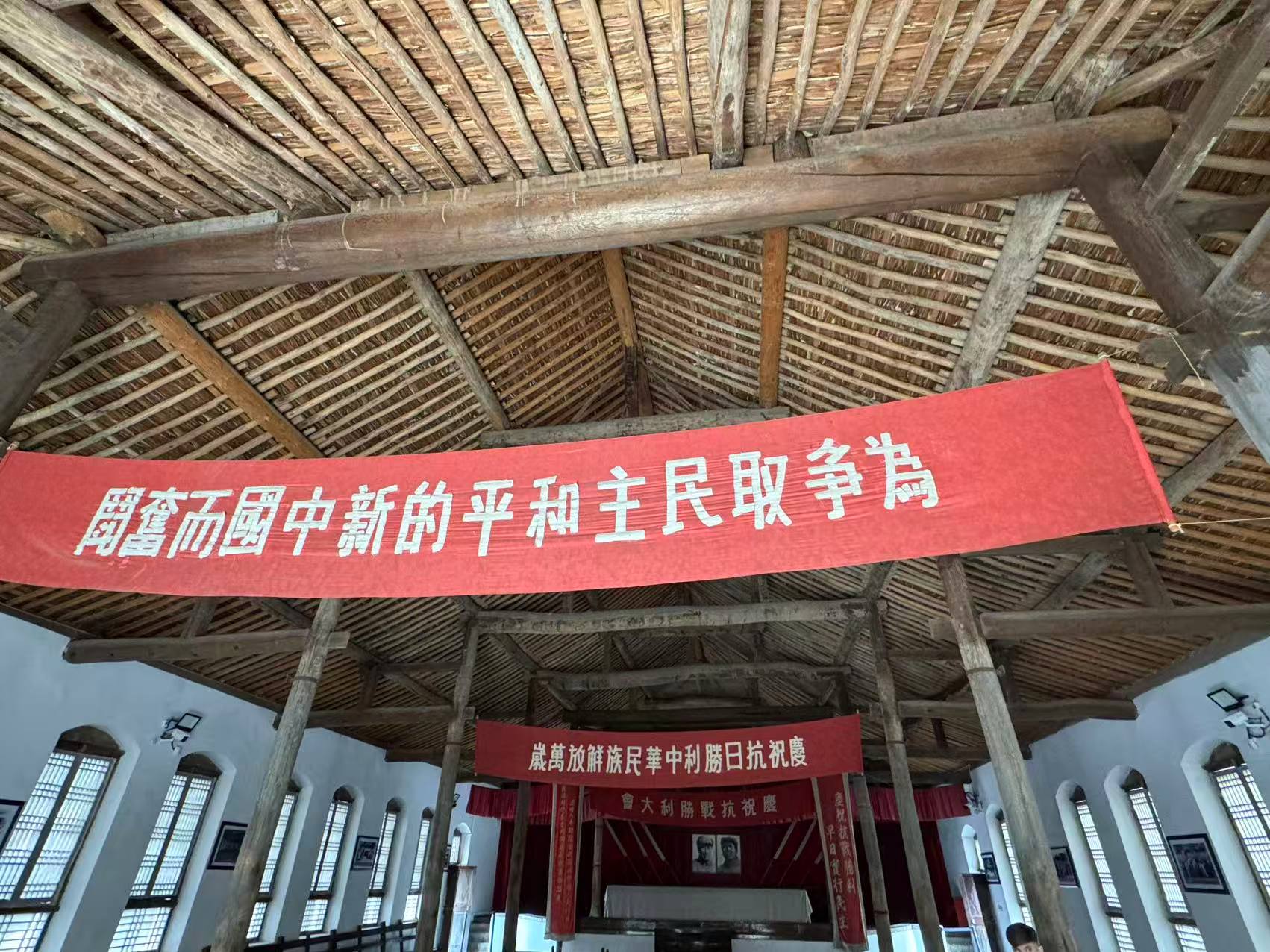
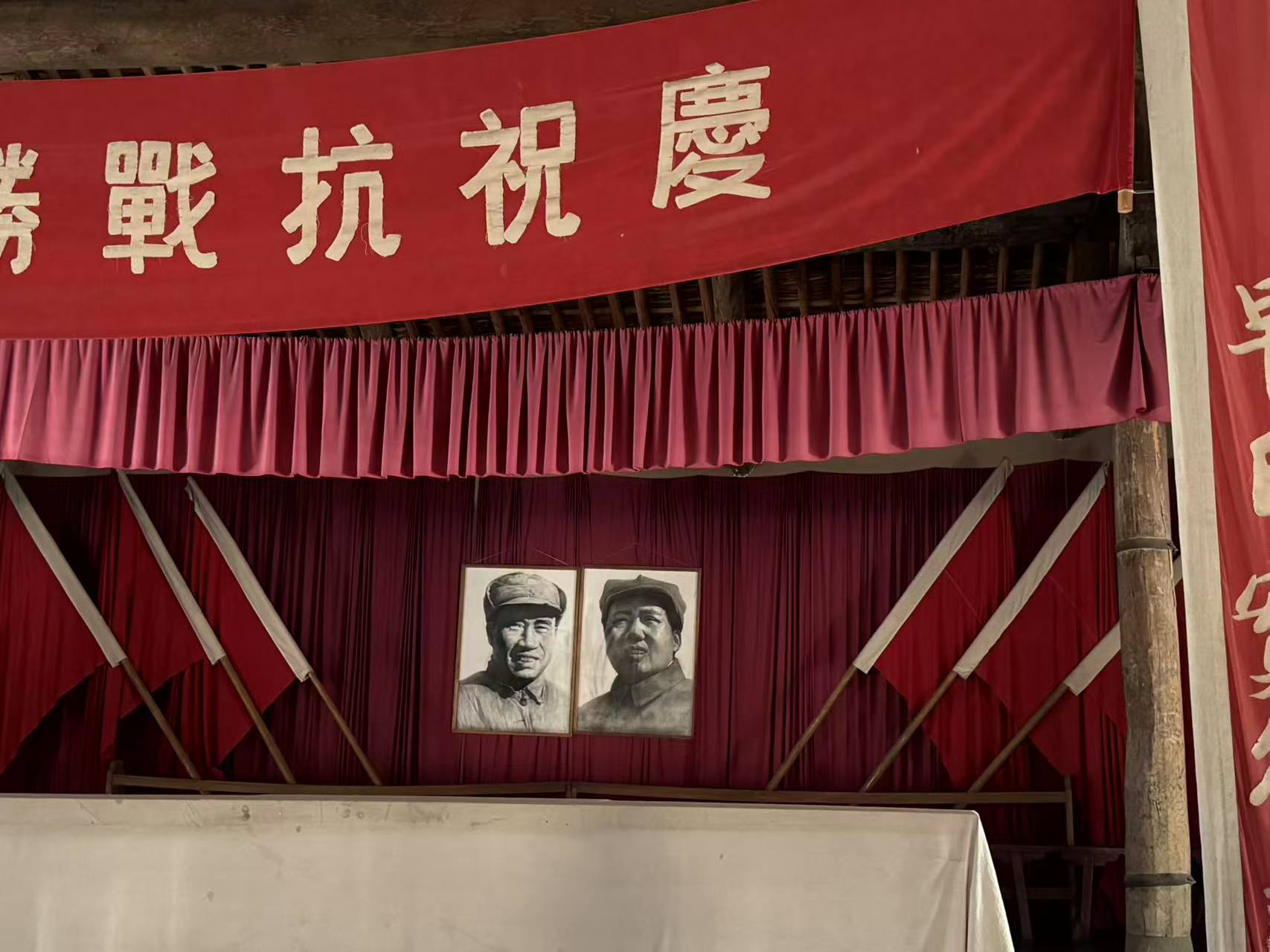
When you enter the site, you first see the auditorium of the Military Commission, which was built in 1943. The building has a traditional roof with upturned corners. It is fifteen metres wide and twenty eight metres deep. Today, the auditorium shows a restored scene of the meeting held here on 15 August 1945 to celebrate victory in the War of Resistance against Japanese Aggression. A banner reading “Long live the victory of the War of Resistance and the liberation of the Chinese nation” hangs inside. Standard portraits of Chairman Mao Zedong and Commander in Chief Zhu De are also displayed.
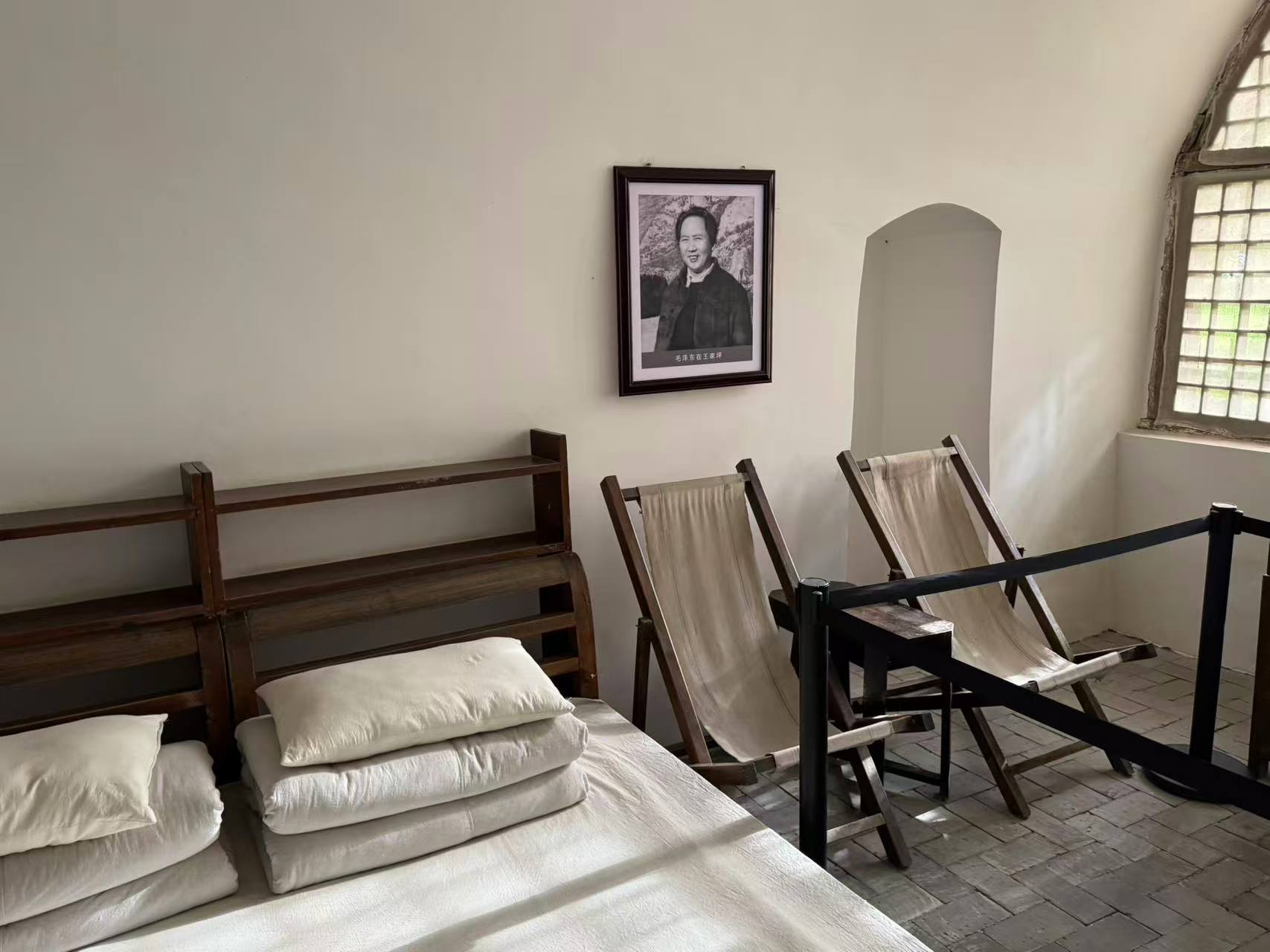
From December 1945 to March 1947, Mao Zedong lived and worked at Wangjiaping twice. The cave dwelling served as his bedroom and office. The flat house was used for daily meetings and receiving guests. In early 1946, Mao sent his eldest son Mao Anying to a rural area. They had an important conversation at the stone table here.
On 11 October 1945, after returning from the Chongqing negotiations, Mao became exhausted and was hospitalised in mid-November. After he left the hospital in mid-December, the Central Committee arranged for him to rest at Wangjiaping. He stayed until mid-February 1946, then returned to Zaoyuan. On 12 March 1947, Mao moved here again so that he could direct military operations more easily. On the evening of 18 March, as enemy forces surrounded the area, the Communist Party decided to leave Yan’an. Mao left Wangjiaping that night.
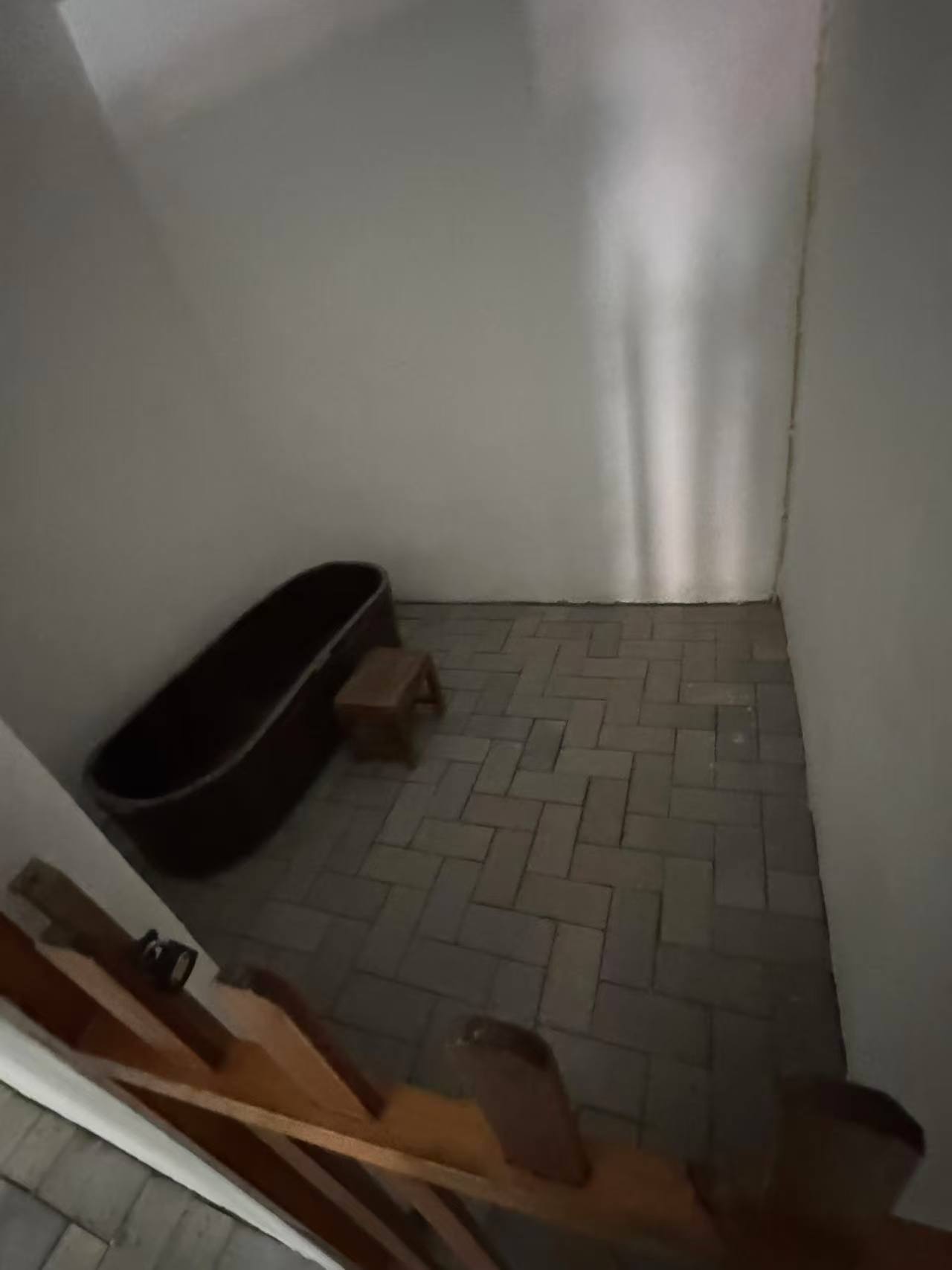
The General Political Department of the Military Commission was an important body responsible for political, ideological and organisational work in the army. On 10 October 1937, in order to strengthen leadership over political work in the army, the Military Commission re established the General Political Department in Yan’an. It moved from the foot of Phoenix Mountain to Wangjiaping.
The Military Commission paid great attention to building communication forces. It improved the leadership of the Third Bureau, units under direct command and communication units of the Eighth Route Army and the New Fourth Army. In April 1939, Mao Zedong met all the staff and students of the communication school here. He said that communication work was the eyes and ears of the Party and the army. Without communication, the army could not win battles.
The site also includes the Overseas Chinese Association for National Salvation. It was founded in September 1940 and was first located in Wenhua Valley. In the summer of 1942, it moved to Wangjiaping. It became a club for overseas Chinese in Yan’an and often held meetings, gatherings and cultural events.
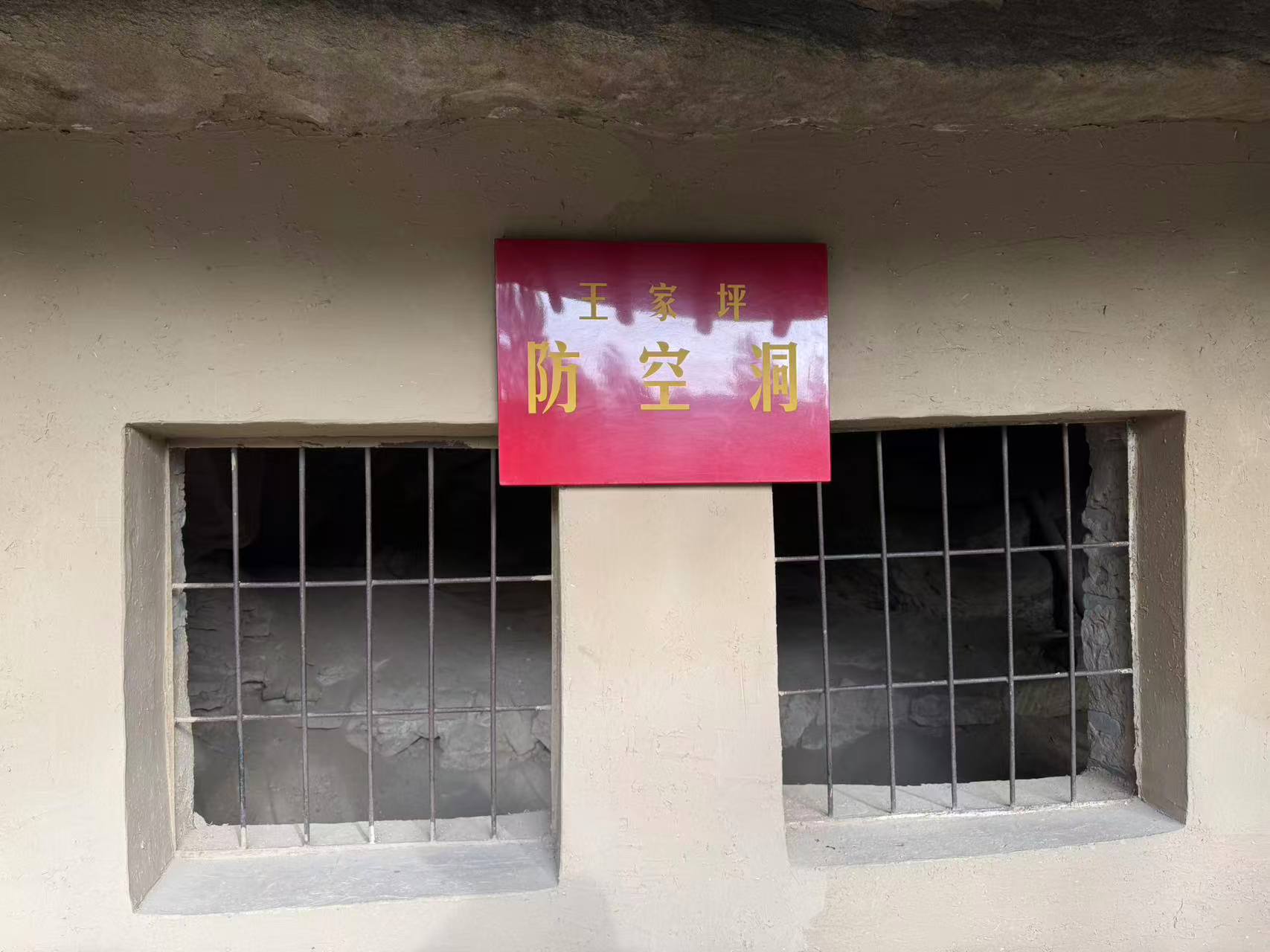
To guard against air raids by Japanese aircraft, the Military Commission organised stone workers to dig an air raid shelter. It is fifty metres long, one point two metres wide and one point eight metres high. Two watch posts above the tunnel allowed observers to monitor enemy aircraft. An office space of several square metres was dug inside the shelter. In March 1947, during the bombing of Yan’an by aircraft of the Nationalist forces, Mao Zedong and Zhou Enlai took shelter here.
Conclusion
The Wangjiaping Revolutionary Site is one of many revolutionary sites in Yan’an. Its importance as the headquarters of the Central Military Committee of the Communist Party of China during the Yan’an period makes it a place worth visiting.
YPT’s China Revolutionary Red Base Tour takes visitors to Yan’an and other places in the region. It provides a full introduction to the history of the Chinese revolution. It is also the only tour that offers a complete English language service in this region.
Click to read more about YPT‘s China Revolutionary Red Base Tour and our other China tours.
About Post Author